






1. Master Your Drainage
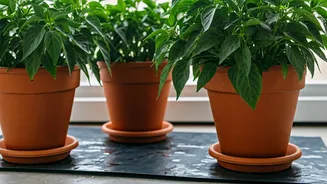
The single biggest threat to your plants during the monsoon is waterlogging. When soil becomes saturated, roots can't breathe, leading to root rot. Before the heavy rains set in, ensure every pot has unobstructed drainage holes. If your pots are on the ground,
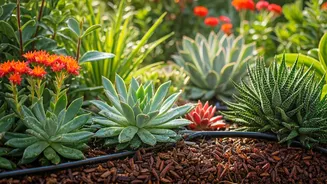
elevate them slightly using pot stands or bricks to allow water to escape freely. For garden beds, consider amending your soil with sand or perlite to improve its structure and porosity. A well-draining soil mix is your first line of defence against the relentless downpour.
2. Choose Monsoon-Loving Blooms
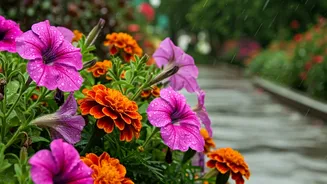
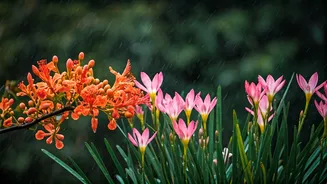
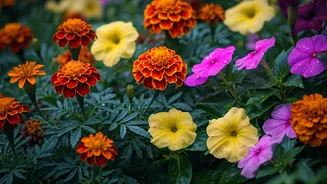
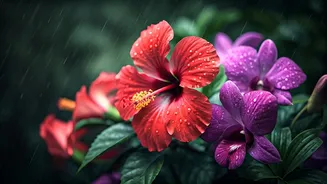
While some delicate plants struggle, others adore the monsoon. This is the perfect time to introduce flowers that thrive in high humidity and wet conditions. Consider planting vibrant Balsam (Gulmehndi), cheerful Marigolds (Genda), sturdy Zinnias, and resilient Hibiscus. These plants are well-adapted to the Indian monsoon and will reward you with a continuous burst of colour. Other great choices include Plumeria (Champa), Jasmine (Mogra), and the gloriously fragrant Tube Rose (Rajanigandha), all of which flourish during this season.
3. Prune for Prosperity
Overgrown plants with dense foliage can become a breeding ground for pests and fungal diseases in the damp, humid weather. Pruning is essential. Trim away any dead or yellowing leaves and thin out crowded branches to improve air circulation throughout the plant. This not only helps prevent fungal infections like powdery mildew but also encourages new, healthy growth. A well-pruned plant is a healthier plant, better equipped to withstand the stresses of the rainy season.
4. Be Proactive with Pest Control
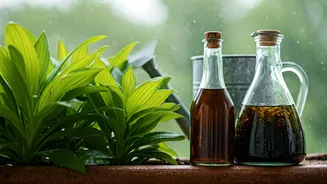
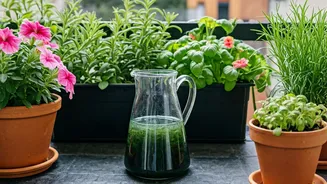
The monsoon is party time for slugs, snails, and a variety of fungal diseases. Don't wait for an infestation to act. Regularly inspect your plants, especially the undersides of leaves, for any signs of trouble. A simple, organic solution is a neem oil spray. Mix a few drops of neem oil with a mild liquid soap and water, and spray it on your plants every 10-15 days as a preventive measure. This can help keep common pests at bay without resorting to harsh chemicals.
5. Re-evaluate Your Watering Schedule
It might seem counterintuitive, but you still need to monitor your plants' water needs. Just because it's raining doesn't mean every plant is getting enough water. Plants on a covered balcony or under the shade of a larger tree might remain surprisingly dry. Before watering, always check the soil. Stick your finger about an inch deep; if it feels dry, it's time to water. If it's damp, let the rain do its job. Overwatering, even during the monsoon, remains a primary cause of plant failure.
6. Provide Support for Tall Plants
Heavy rains combined with strong winds can be brutal on tall, slender plants or those with heavy blooms like lilies and dahlias. The weight of the water can cause stems to bend and break. Provide support by loosely tying them to bamboo stakes or trellises. This simple step can save your prized plants from physical damage and ensure they stand tall and beautiful throughout the season. Check the ties periodically to make sure they aren't cutting into the stems as the plant grows.