
The Building Blocks: What Are Amino Acids?
Think of protein as a long chain and amino acids as the individual links. Our bodies use about 20 different amino acids to build everything from muscle tissue to enzymes. Of these, nine are considered 'essential' amino acids. The term 'essential' means
our bodies cannot produce them on their own, so we must get them from the food we eat. A food source that contains all nine of these essential amino acids in sufficient amounts is what nutrition experts refer to as a 'complete protein'. While animal products like meat, eggs, and dairy are naturally complete proteins, most plant-based foods have a lower amount of at least one essential amino acid.
The Cereal and Legume Partnership
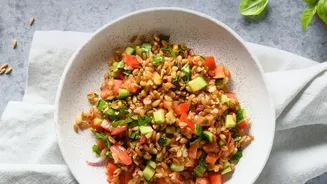
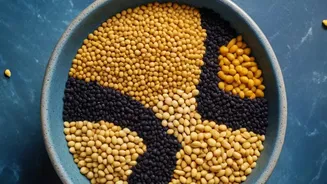
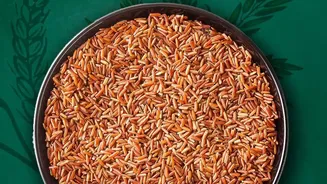
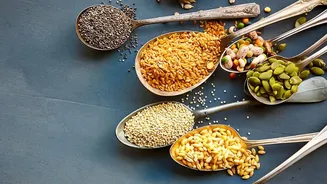
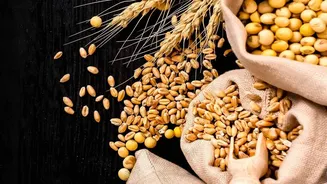
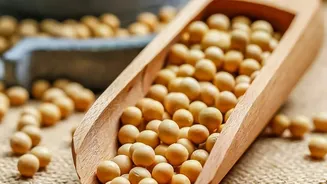
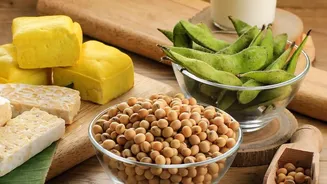
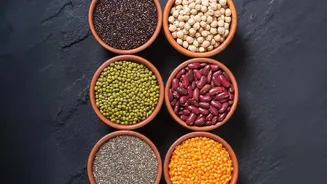
This is where the concept of protein complementarity becomes powerful, especially in diets rich in plant-based foods. Cereal grains, such as rice and wheat, are foundational to many Indian meals. They are excellent sources of energy and nutrients, but they are typically low in one specific essential amino acid: lysine. On the other hand, legumes—a food group that includes dal (lentils), beans, and chickpeas—are rich in lysine but happen to be low in another essential amino acid, methionine. When you eat them together, they form a perfect partnership. The lysine from the legumes makes up for what's missing in the grains, and the methionine from the grains completes the profile of the legumes. This combination creates a meal with a full set of essential amino acids, making the protein 'complete'.
Classic Combinations in the Indian Kitchen
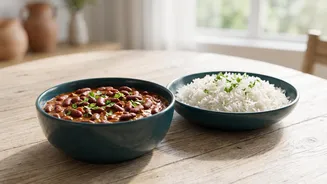
The good news is that this nutritional wisdom is already deeply embedded in traditional Indian cuisine. Many staple dishes are, by design, perfect examples of protein complementation. Dal with rice (khichdi) is perhaps the most classic example, where lentils and rice work together. Similarly, a meal of rajma and chawal (kidney beans and rice) or chana masala with roti (chickpeas with whole wheat flatbread) achieves the same goal. Even South Indian staples like idli and dosa, made from a fermented batter of rice and urad dal, are built on this principle. These combinations are not just delicious and comforting; they are nutritionally strategic.
A Quick Look at Protein Quality Scores
To measure a protein's overall quality, scientists use scoring systems that account for both amino acid content and digestibility. The two most common are the Protein Digestibility Corrected Amino Acid Score (PDCAAS) and the more recent Digestible Indispensable Amino Acid Score (DIAAS). The DIAAS is now considered more accurate because it measures the absorption of individual amino acids in the small intestine, providing a clearer picture of a protein's bioavailability. While these scores can get technical, the main takeaway is that combining foods like cereals and legumes improves the overall protein quality of a meal, moving it closer to the high-quality profile found in animal proteins.
Do You Need to Eat Them in the Same Meal?
For years, a common belief was that complementary proteins had to be eaten together in the same meal to be effective. However, modern nutritional science has debunked this myth. Research has shown that the body maintains a 'pool' of amino acids for a short period. This means that as long as you consume a variety of plant-based protein sources throughout the day, your body can pull the necessary amino acids as needed to form complete proteins. So, if you have dal for lunch and roti for dinner, you are still getting the benefits of protein complementation. The key is dietary variety over the course of the day.