




The Romance of the Rails
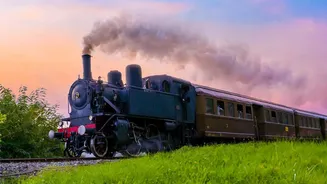
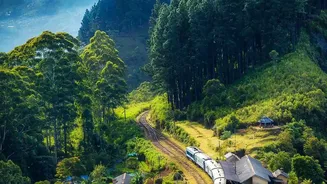
India’s mountain railways are not just modes of transport; they are rolling monuments and UNESCO World Heritage sites. The Darjeeling Himalayan Railway, the Kalka-Shimla Railway, and the Nilgiri Mountain Railway represent incredible feats of engineering
from a bygone era. For tourists, a ride on these 'toy trains' is a quintessential part of the travel experience, a chance to slow down and literally see the landscape at a human pace. The charm is undeniable: the vintage carriages, the intricate network of tunnels and bridges, and the feeling of being transported back in time are what draw thousands of visitors each year. It's an experience built on nostalgia and scenic wonder, a deliberate and delightful contrast to the rush of modern life.
When Nostalgia Meets Inconvenience
The problem arises when ‘leisurely’ crosses the line into ‘late’. A five-hour journey that stretches into seven or eight hours tests the patience of even the most zen-like traveller. While a certain tolerance for the quirks of vintage machinery is expected, chronic and unpredictable delays are a real issue. Tourists often plan tight itineraries, and a significant delay can disrupt hotel check-ins, further travel connections, and entire vacation schedules. The frustration isn't about a desire for high-speed efficiency; it's about reliability. When you pay for a service, whether it’s for transport or for an experience, a reasonable expectation of punctuality is part of the contract.
Acknowledging the Challenges
To be fair, running these heritage lines is a monumental task. The trains operate on difficult, mountainous terrain, often susceptible to landslides and extreme weather conditions like fog and heavy rain, which naturally necessitate caution and slower speeds. The locomotives and coaches are often decades, if not a century, old, making maintenance a constant battle. Mechanical snags, sourcing specific parts for steam engines, and track upkeep on steep gradients are complex operational realities. These trains are given a lower operational priority on shared networks, meaning they are often the first to be held up to allow express trains to pass. These are not excuses, but they are important context; keeping these historic lines running at all is a testament to the dedication of railway staff.
More Than Just a Moving Museum
The core of the argument is this: heritage trains are part of a living, breathing tourism ecosystem. They are not merely museum exhibits that happen to move. For many travellers, these trains are the primary means of accessing remote hill stations. A failure in service is not just an inconvenience; it can be a serious disruption. In recent years, concerns have been raised not just about delays but also about basic amenities like clean toilets and the provision of drinking water at stations along these routes. For these journeys to be truly world-class, the entire experience, from booking a ticket to arriving at the destination, must be considered. Punctuality is a critical, and often overlooked, component of that experience.
Finding the Right Balance
No one is asking for a heritage steam engine to have the on-time record of a Japanese bullet train. However, a move towards greater reliability is essential. This could involve better communication with passengers during delays, more transparent scheduling that accounts for potential issues, and continued investment in track and rolling stock maintenance. Efforts are already being made on some routes, like the Kalka-Shimla line, to introduce newer coaches and make track adjustments to slightly increase speed and reduce journey times without compromising the heritage character. The goal shouldn't be to erase the vintage charm, but to enhance it by building a foundation of professional, dependable service. A spectacular view is even more enjoyable when you know you'll be arriving at your destination on time.