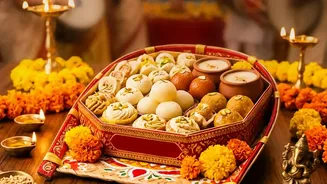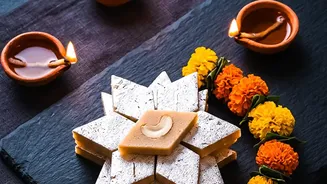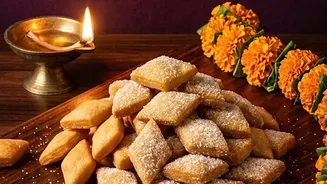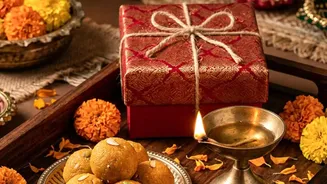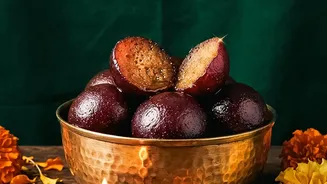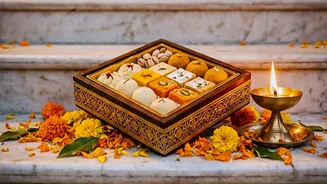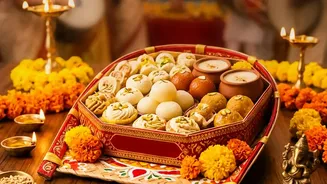




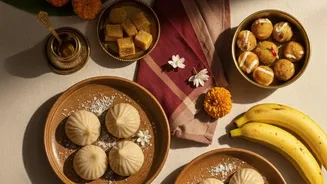

Diwali is synonymous with the joy of sharing mithai, but growing health awareness can create a conflict. This year, embrace a balanced approach that honours tradition without the guilt, focusing on smarter choices rather than restriction.
Redefining the Festive Mindset
The conversation
around Diwali sweets is shifting from guilt and avoidance to mindful indulgence. Nutrition experts agree that the goal isn't to skip sweets altogether, but to enjoy them sensibly. One piece of your favourite mithai will not derail your health routine, just as a single salad won't make you fit overnight. The key lies in consistency and making conscious choices throughout the festive season. This balanced mindset allows you to partake in cultural traditions and the love language of sharing food without feeling deprived. The focus for a health-conscious Diwali is on balance, not perfection, allowing for small, kind choices for your body.
Smart Ingredient Swaps
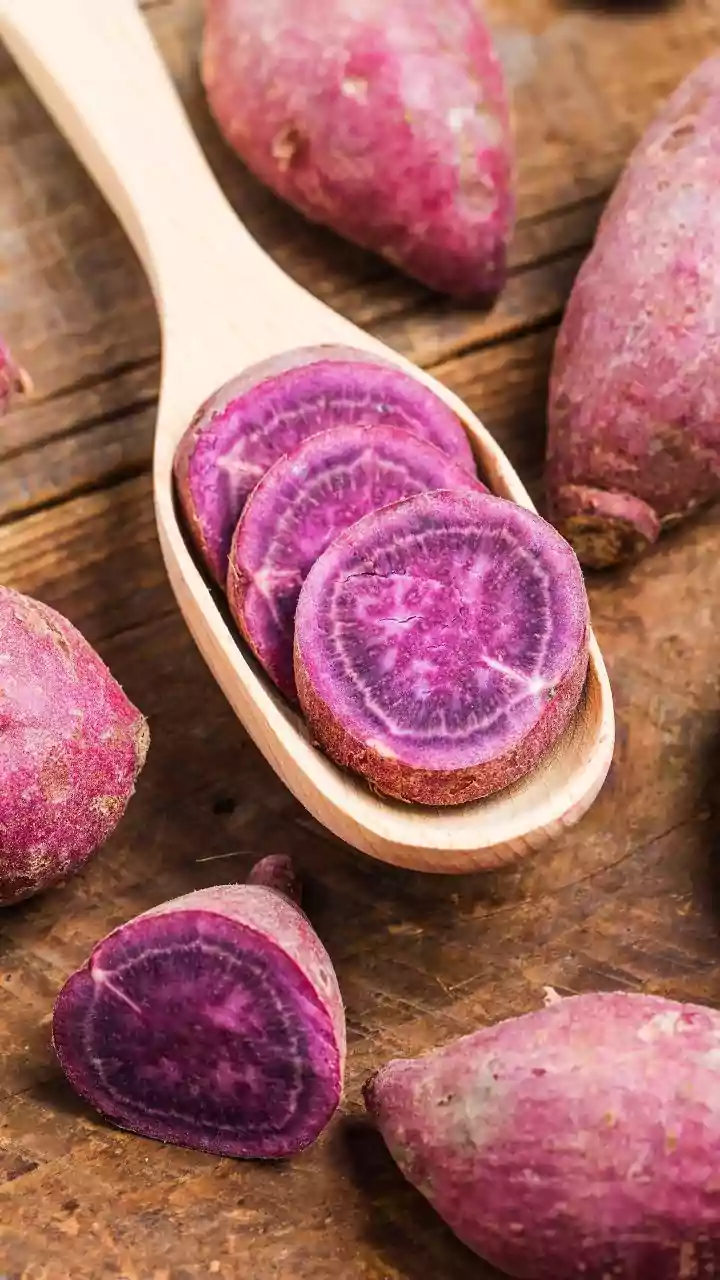
Making traditional sweets at home gives you complete control over the ingredients. Simple swaps can significantly boost the nutritional profile of your favourite mithai. Instead of refined white sugar, consider natural sweeteners like jaggery (gur), dates, or figs, which add fibre and minerals like iron. Jaggery has a lower glycemic impact, while date puree acts as an excellent natural binder for ladoos and barfis. For flours, replacing refined maida with whole grains like whole wheat, ragi, bajra, or oat flour can increase fibre content. Even a classic like Gajar ka Halwa can be made lighter by reducing ghee and using a natural sweetener like stevia.
Healthier Cooking Techniques
The way you cook is as important as what you cook. Many traditional Diwali snacks and sweets are deep-fried, which adds significant calories and fat. Modern, healthier approaches favour baking, roasting, or air-frying. For instance, gujiyas can be baked in an oven instead of being deep-fried, cutting down the oil content drastically while retaining a satisfying crunch. Similarly, samosas, mathris, and chaklis can be prepared in an air fryer. These methods typically use 30-40% fewer calories than their fried counterparts and are easier on the digestive system. Even poppadoms can be quickly cooked in a microwave instead of fried.
The Art of Mindful Indulgence
Even the healthiest sweets contain calories, making portion control a crucial part of a balanced approach. Instead of sampling every sweet on the platter, nutritionists suggest choosing one or two of your absolute favourites and savouring them slowly. Eating slowly gives your brain time to register that you're full, preventing overconsumption. It's also wise to never eat sweets on an empty stomach; have them after a balanced meal containing protein and fibre to slow down sugar absorption. Another helpful tip is to use smaller plates and cutlery, which can psychologically guide you toward smaller portions. And remember to stay hydrated with water, as thirst is often mistaken for hunger.
Navigating Store Bought Options
If you're buying sweets, the market for healthier options is growing. Many brands now offer 'sugar free' or 'no added sugar' mithai. It is important to read labels carefully. 'Sugar free' often means it is sweetened with dates or figs, while 'no refined sugar' might mean it uses jaggery or honey — which are still forms of sugar. Look for sweets made with natural ingredients and free from artificial colours and preservatives. Dry fruit based sweets and those made with nuts and seeds are gaining popularity as premium, thoughtful gifts that cater to health conscious friends and family. When in doubt, opt for brands that are transparent about their ingredient lists.