




Challenging the Off-Season Myth
Conventional wisdom suggests that India's national parks shut down during the monsoon months of July and August due to inaccessible roads and to allow wildlife to breed undisturbed. While it's true that the core zones of many famous tiger reserves like
Corbett, Bandhavgarh, and Kanha do close, this doesn't mean the safari season is over. A significant number of parks, especially in Southern and Western India, remain open. Furthermore, several major tiger reserves keep their buffer zones accessible, offering a different but equally rewarding wildlife experience. This shift allows visitors to witness the jungle in a state of revival, a far cry from the parched landscapes of summer.
A World Washed Green
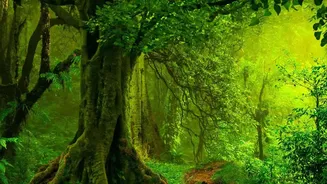
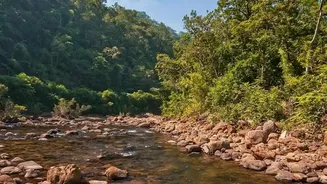
Perhaps the most compelling reason to visit in August is the sheer visual spectacle. The monsoon transforms the dry, brown forests into a vibrant tapestry of emerald green. Waterfalls cascade down hills, streams and rivers are full, and the entire ecosystem bursts with life. For photographers, this season is a dream. The overcast skies provide soft, diffused light throughout the day, eliminating the harsh midday sun and creating perfect conditions for capturing stunning images of wildlife against lush, green backdrops. The air is fresh and crisp, filled with the smell of wet earth and the symphony of a jungle reborn.
Unique Sighting Opportunities
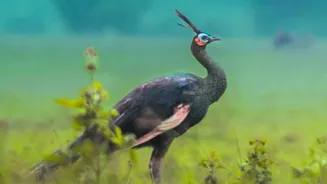
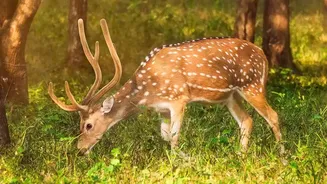
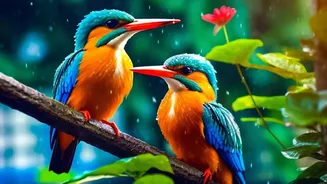
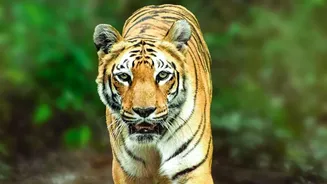
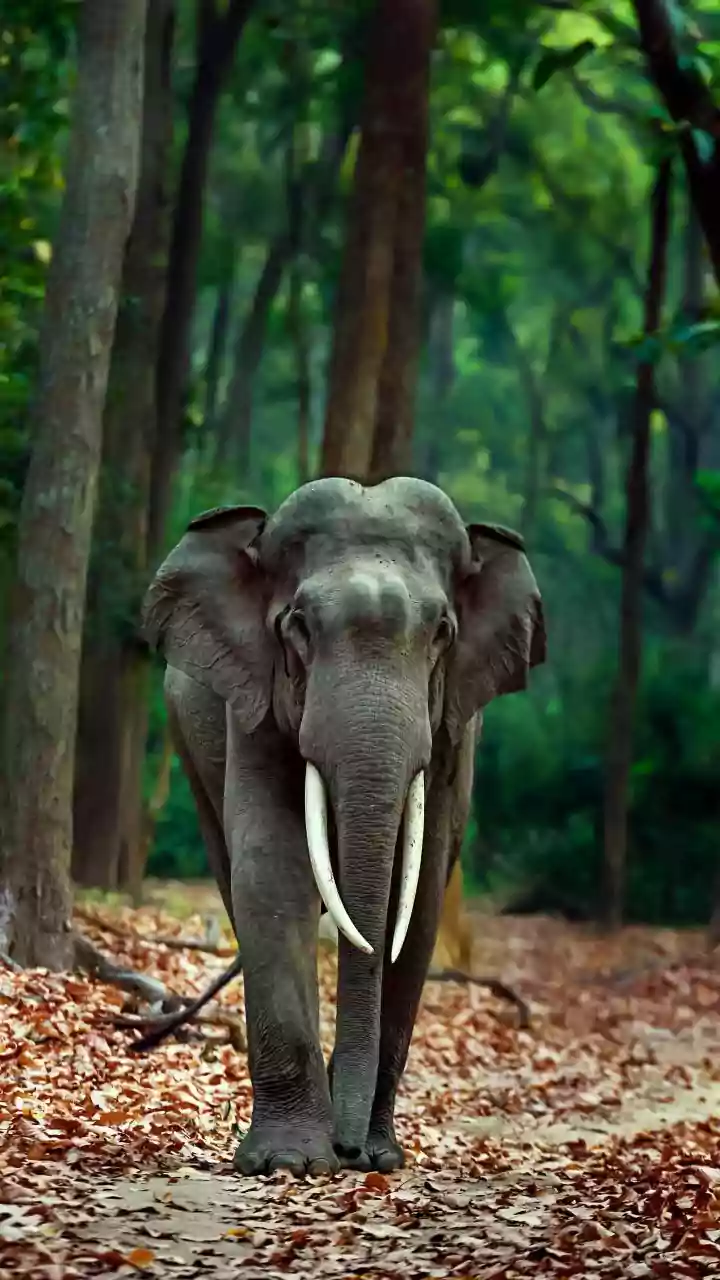
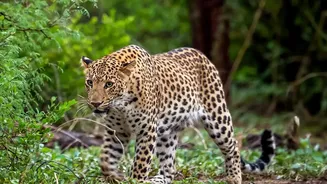
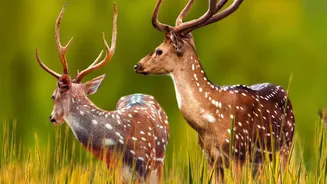
While the dense foliage can make spotting animals more challenging than in summer, the monsoon brings its own unique viewing opportunities. With many interior trails waterlogged, animals often prefer to use the main forest roads, which can lead to surprising encounters. This is a fantastic time for birdwatching, as the abundance of insects brings out a flurry of activity from resident and breeding species. Reptiles and amphibians are also more active. In parks like Tadoba, tigers are known to patrol their territories more frequently to re-establish scent markings washed away by the rain. In the south, elephants can be seen enjoying the replenished water bodies, often gathering in large herds along the banks of lakes and rivers.
Where to Go This August
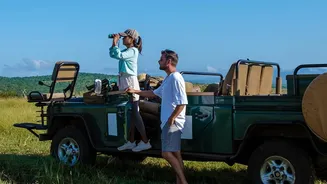
Several key destinations offer fantastic monsoon safari experiences. Periyar National Park in Kerala is a prime example, remaining open year-round with its signature boat safaris on Periyar Lake providing excellent views of elephants, gaur, and sambar deer. In Karnataka, parks like Nagarhole (Kabini) and Bandipur remain open, offering jeep and boat safaris to see wildlife along the thriving Kabini backwaters. In Maharashtra, the buffer zones of Tadoba-Andhari Tiger Reserve are accessible and offer a good chance of tiger sightings. Even in Rajasthan, certain zones (6 to 10) of Ranthambore National Park stay open for monsoon safaris. Similarly, the buffer zones of Jim Corbett in Uttarakhand are also an option.
The Perks of Fewer Crowds
One of the undisputed advantages of a monsoon safari is the lack of crowds. August is considered the off-season, which means you'll likely have a more peaceful and intimate encounter with nature. The usual scramble for safari permits is less intense, and accommodations are often available at lower prices. You can enjoy the serenity of the jungle without the constant presence of other tourist vehicles, allowing for a more immersive and personal experience. This solitude, combined with the dramatic, rain-washed landscapes, offers a deeply rewarding adventure for any true nature lover.