




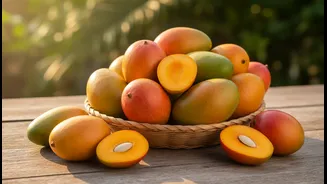


A Land of a Thousand Mangoes
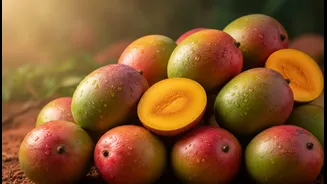
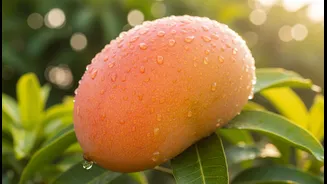
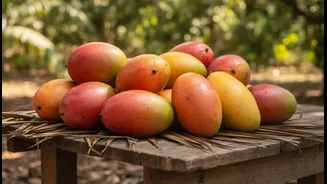
For most, the world of mangoes revolves around a few superstars: the rich Alphonso, the sweet Dasheri, or the tangy Banganapalli. Yet, India is a treasure trove of mango diversity, home to an estimated 1,500 varieties, each with a unique flavour, texture,
and aroma. This incredible range is the result of millennia of cultivation, with mentions of the fruit, known in Sanskrit as 'Amra', appearing in sacred texts like the Vedas dating back over 4,000 years. From the parrot-beaked Totapuri, perfect for salads, to the regal Kesar of Gujarat and the distinctively greenish Langra, this biodiversity is a testament to the country's varied climates and horticultural history.
Orchards as Living Libraries
This genetic wealth is not stored in a lab but in sprawling, multi-generational orchards across the country. Many of these 'topus' or orchards are over 70 years old, passed down through families who have acted as custodians of rare and local varieties. Traditionally, these were not monoculture farms but diverse ecosystems, with some orchards hosting dozens of varieties. These farmers and their ancestors selected and propagated mangoes not just for commercial sale but for specific uses: some for pickling, others for juice, some for exchanging with neighbours during festivals, and others simply for their unique taste. In this way, these orchards became living genebanks, preserving heirloom varieties that might otherwise have vanished.
From the Tree to the Table
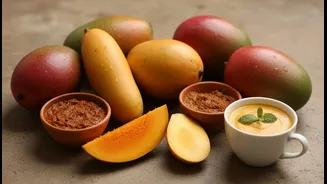
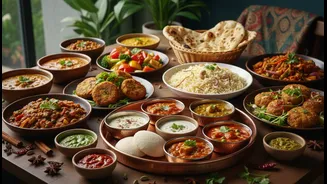
The diversity in the orchard translates directly to the kitchen, where Indian culinary traditions have evolved to make use of every type of mango. Raw, tangy mangoes are the soul of countless regional dishes that signify the arrival of summer. In Rajasthan, Aam ki Launji is a sweet and spicy relish that balances jaggery with fennel and nigella seeds. Maharashtrian kitchens prepare Ambe Dal, a refreshing lentil and raw mango salad, while in Tamil Nadu, Mango Pachadi offers a complex blend of sweet, sour, spicy, and bitter flavours. Ripe mangoes find their way into desserts like Gujarat's Aamras or Kerala's Mambazha Pulissery, a sweet and tangy curry made with coconut and curd. Each dish tells a story of local taste, climate, and necessity.
Woven into Culture and Memory
The mango is more than just a fruit in India; it's a cultural symbol woven into the fabric of daily life. Mango leaves are considered auspicious and are hung over doorways during weddings and festivals to signify prosperity and good luck. The fruit appears in mythology, with stories of gods and kings celebrating its divine sweetness. The iconic paisley pattern, a staple of Indian design, is said to be a stylized depiction of a mango. For generations, summer afternoons spent sharing mangoes with family are a core memory, linking the fruit to home, tradition, and joy. Mango festivals, held across the country from Delhi to Lucknow, celebrate this rich heritage, showcasing hundreds of varieties and reminding us of the fruit's central role in community life.
A Heritage Under Threat
Despite this rich history, India's mango biodiversity is facing silent threats. The commercial pressure to plant only a few high-yield, profitable varieties like Amrapali is leading to the decline of older, multi-variety orchards. Descendants of orchard owners are often moving to cities, and the economic incentive to maintain less-commercial, traditional varieties is dwindling. Furthermore, climate change, with its erratic weather patterns and rising temperatures, is disrupting the sensitive flowering and fruiting cycles of many varieties, particularly premium ones like the Alphonso. This puts not only the fruit's availability at risk but also the centuries of accumulated agricultural knowledge.