




Full-Coverage Fenders are Non-Negotiable
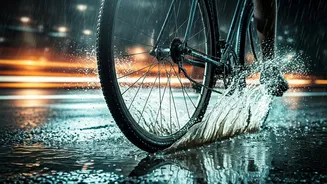
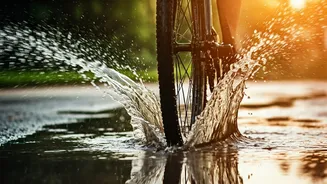
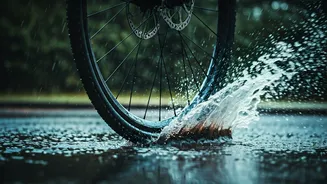
The single most transformative upgrade for monsoon riding is a good set of full-coverage mudguards, or fenders. They do more than just prevent the signature muddy stripe up your back. Front and rear fenders stop water, grit, and road grime from spraying
all over you, your feet, and, crucially, your bike's sensitive components. [2, 11] By blocking the spray, you protect your drivetrain from being constantly blasted with abrasive, rust-inducing muck. [11] This keeps your chain, gears, and bottom bracket cleaner and running smoother for longer. While clip-on guards offer some protection, full-length fenders that follow the curve of your wheels provide the maximum defence against the wet roads of the Indian monsoon. [8, 18]
Upgrade Your Grip with Better Tyres
Wet roads are notoriously slippery, littered with debris washed up by the rain. Your standard road tyres might not be up to the task. For monsoon, consider switching to tyres with a deeper tread designed to channel water away and improve grip. [14] Some experts recommend slightly wider tyres (28mm or more) and running them at a slightly lower pressure—about 5-10 PSI less than usual—to increase the contact patch with the road for better traction. [8, 14, 18] Investing in puncture-resistant models can also save you the headache of fixing a flat in the middle of a downpour, a common occurrence as rain washes sharp objects onto roadways. [13, 14]
See and Be Seen with Waterproof Lights
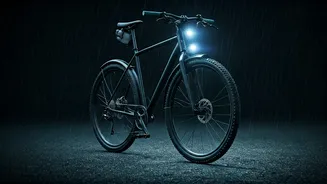
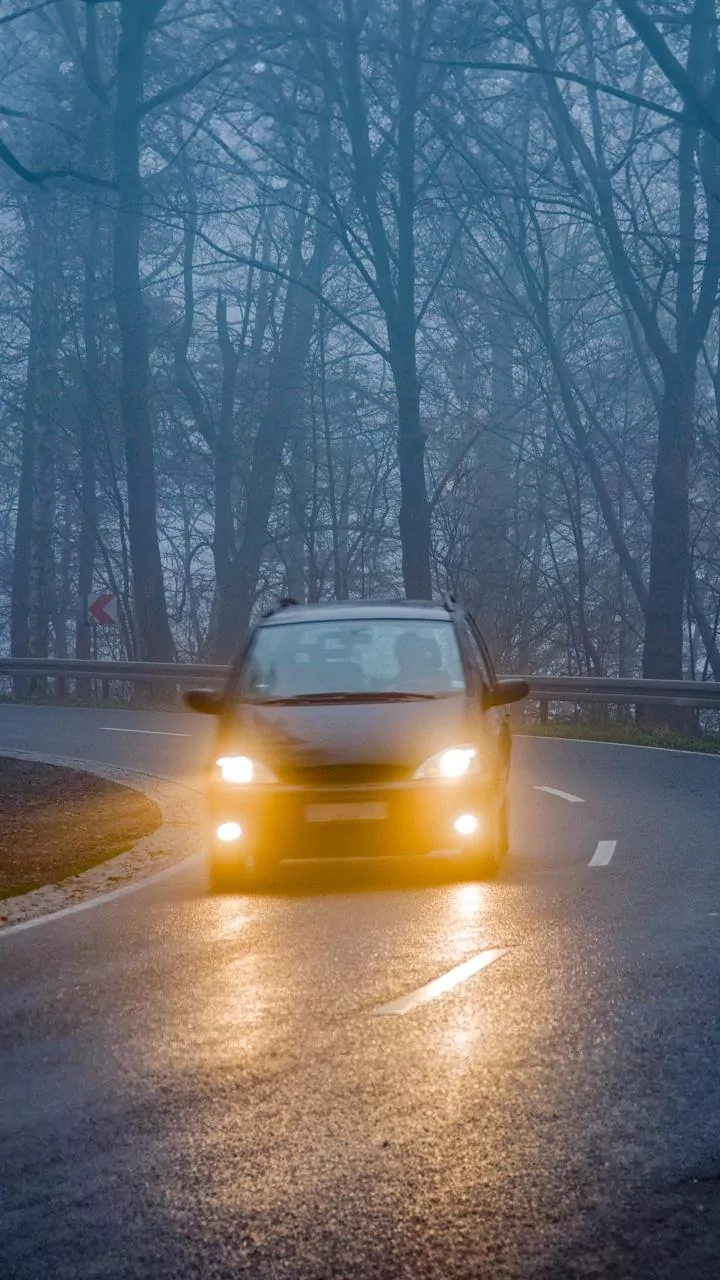
Visibility plummets during a heavy downpour, both for you and for motorists. [15] Powerful, waterproof front and rear lights are an absolute must-have for safety. [12, 18] A bright front light helps you spot potholes and hazards hidden by rain, while a flashing rear light ensures you are visible to traffic from a distance. [16] Many modern cycling lights are USB-rechargeable and come with robust, waterproof construction designed to withstand the heaviest of storms. Always check your lights and their battery levels before heading out into the grey monsoon weather. [14]
Protect Your Drivetrain with Wet Lube
Rain is the enemy of your bike's chain. It washes away standard lubricant and exposes the metal to moisture, leading to rust, a noisy drivetrain, and premature wear. The solution is to switch to a 'wet' chain lubricant. [3, 4] Unlike dry lubes, which are thin and designed for dusty conditions, wet lubes are thicker and more viscous. [8] They are water-resistant, sticking to the chain even in heavy rain to ensure smooth shifting and prevent corrosion. [3] After any wet ride, it's good practice to rinse the dirt off your chain, dry it, and reapply a fresh coat of wet lube. [2, 4]
Keep Your Essentials Dry
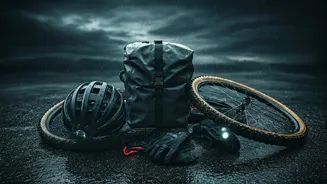
There's nothing worse than arriving at your destination to find your phone, wallet, or clean clothes soaked through. A waterproof backpack, pannier bags, or even a smaller handlebar or saddle bag is a crucial investment for a commuting cyclist. [13, 16, 18] Look for bags with sealed seams and roll-top closures for the best protection against water ingress. [15] A waterproof phone case or mount is another smart, smaller upgrade that keeps your navigation and communication device safe and functional, no matter how hard it's raining. [18]
Invest in a Post-Ride Cleaning Routine
Perhaps the most important upgrade is not to your bike, but to your habits. Monsoon road spray contains acidic pollutants and grit that can corrode your bike's frame and components. [4, 13] Getting into the habit of giving your bike a quick rinse with plain water after every wet ride is the best way to ensure its longevity. [9] Pay special attention to the chain, derailleurs, and brakes. [18] After rinsing, wipe the bike down with a dry cloth, especially the metal parts, to prevent moisture from sitting and causing rust. [2, 10] It’s a ten-minute job that can save you from costly repairs down the line.