


From Boring to Buzzworthy
For decades, fiber was the unglamorous workhorse of the nutrition world. It was something your parents or doctor mentioned in passing, associated with bland cereals and digestive regularity. But in the highly visual, trend-driven world of Instagram and TikTok,
fiber has undergone a remarkable transformation. It’s no longer just functional; it’s fashionable. The trend is fuelled by a growing public obsession with gut health, a cornerstone of modern wellness. Influencers and food creators are showcasing high-fiber meals not as a chore, but as a vibrant, delicious, and aesthetically pleasing lifestyle choice. These aren't just meals; they're curated statements about health, self-care, and being in tune with your body’s needs.
What the Trend Looks Like
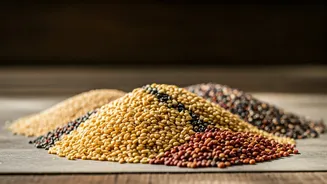
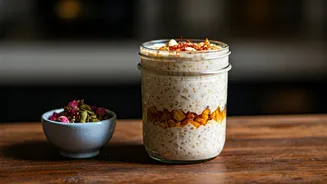
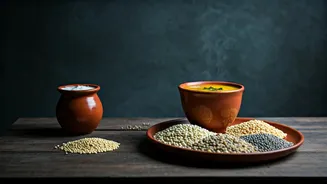
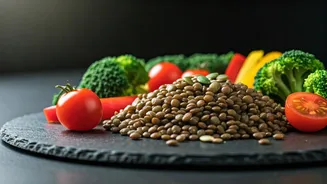
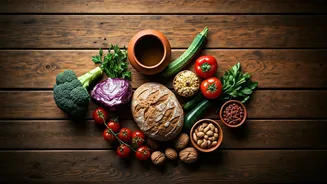
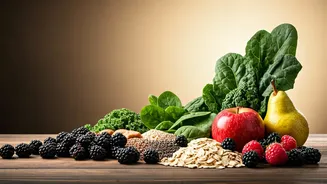
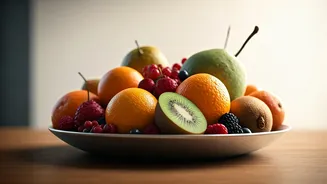
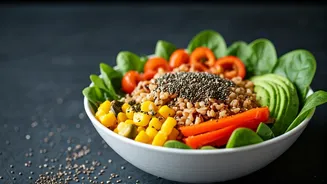
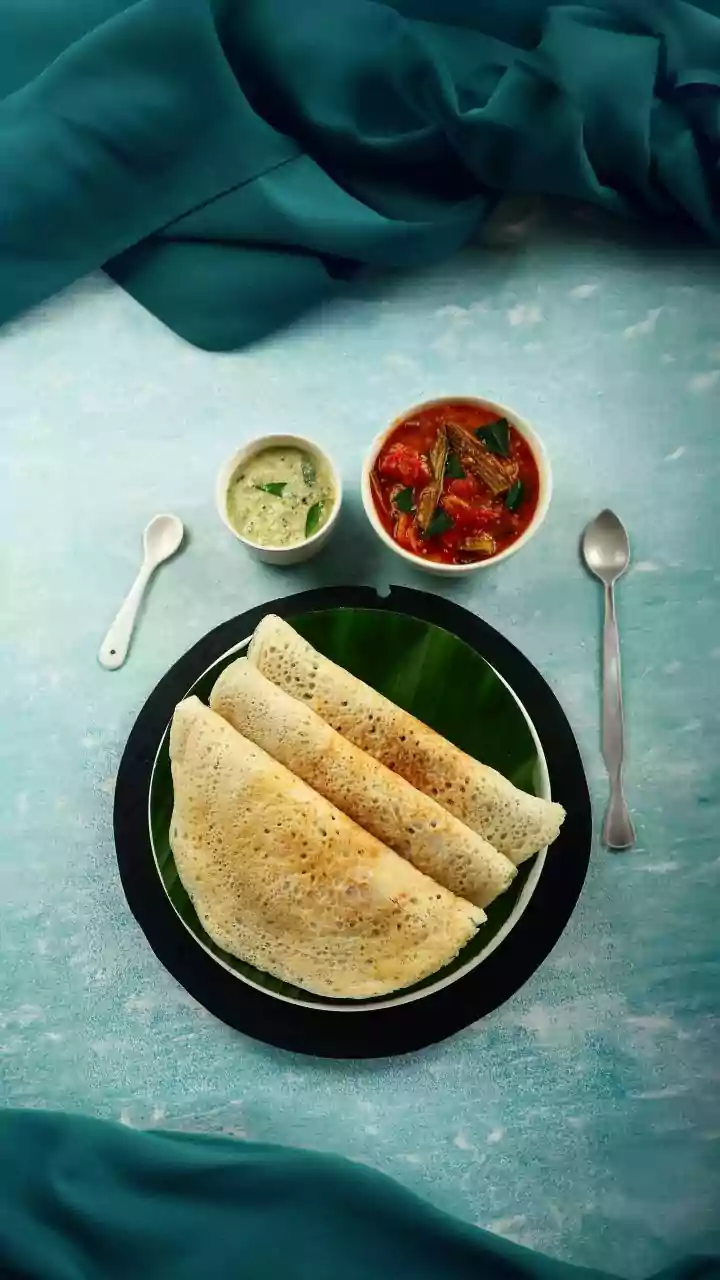
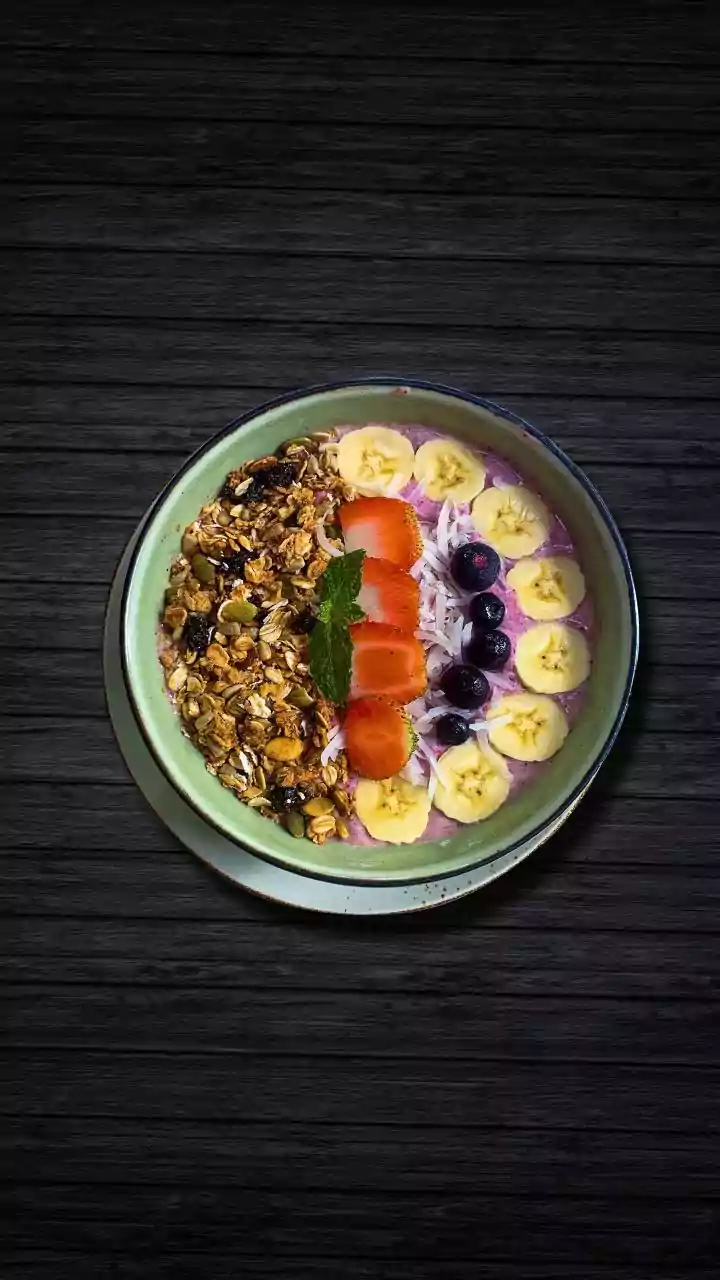
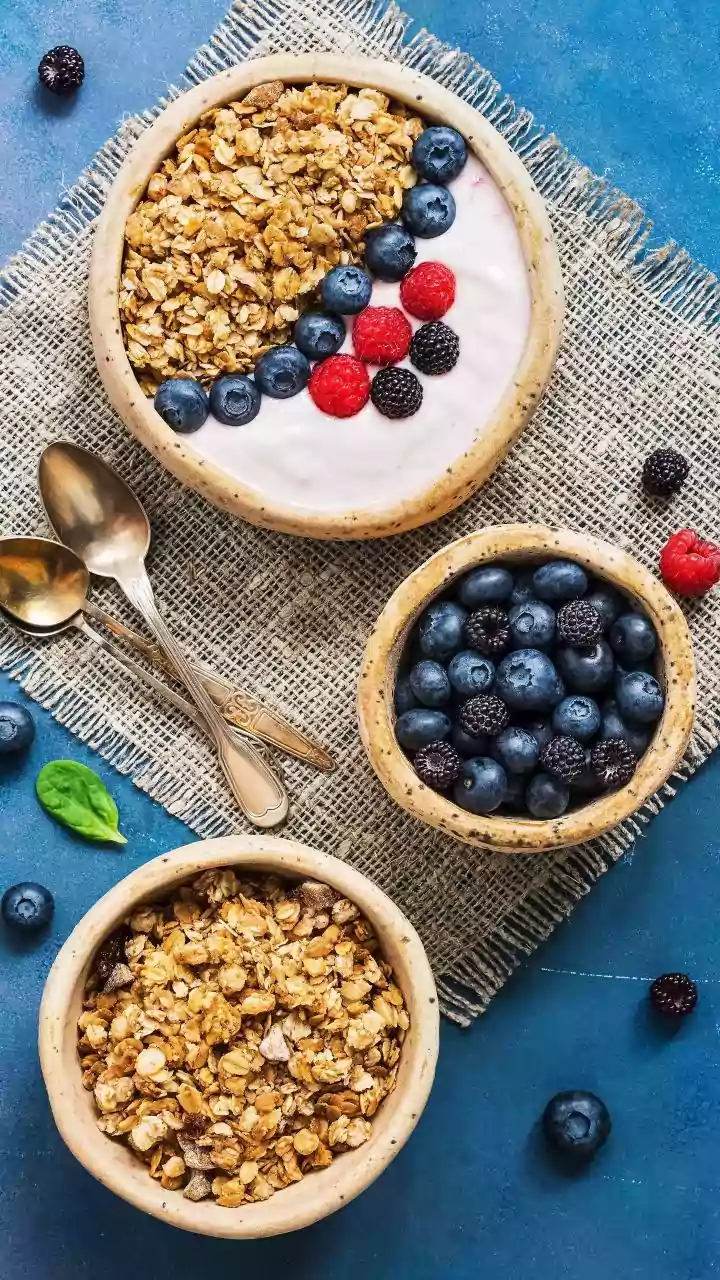
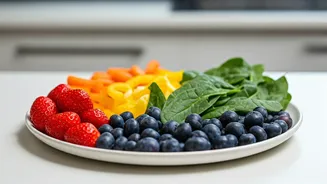
This isn’t about eating a bowl of plain bran. The social media version of a fiber-rich diet is a feast for the eyes. Think of “gut health bowls” loaded with a rainbow of roasted vegetables, quinoa, and chickpeas, drizzled with a tahini dressing. You’ll see decadent-looking overnight oats layered with berries, chia seeds, and nuts. Smoothies are supercharged with psyllium husk (our good old isabgol), spinach, and flax seeds. In the Indian context, this trend manifests beautifully. Creators are showcasing modern takes on traditional ingredients: millet salads instead of rice-based ones, vibrant vegetable-packed dal, and beautifully plated sabzis that put greens, lentils, and legumes front and centre. The key is abundance and variety, proving that high-fiber eating is anything but restrictive.
The Science Behind the Hype
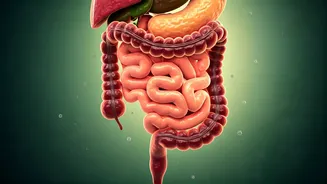
Behind the pretty pictures, there's solid science. Nutritionists have long championed fiber for its powerful health benefits, and the social media hype is finally catching up. There are two types of fiber—soluble and insoluble—and both are crucial. Soluble fiber, found in oats, beans, and apples, dissolves into a gel-like substance that helps lower cholesterol and stabilise blood sugar levels. This is why you feel full and satisfied long after a fiber-rich meal, which can aid in weight management. Insoluble fiber, found in whole grains and vegetables, adds bulk to stool and helps food pass more quickly through the digestive system, promoting regularity and preventing constipation. Together, they act as a prebiotic, feeding the good bacteria in your gut, which is linked to everything from improved immunity to better mental health. So, while the presentation may be trendy, the underlying principles are rooted in proven nutritional wisdom.
Easy Ways to Join In
Jumping on the fiber bandwagon doesn’t require a complete pantry overhaul or advanced culinary skills. It’s about making small, sustainable swaps. Start your day with a bowl of millet porridge or oats instead of a processed breakfast. When making roti, try using whole wheat flour or adding a mix of flours like jowar or bajra. Aim to make vegetables the star of your lunch and dinner plates, not just a small side. Incorporate lentils and legumes into your diet daily—think beyond dal to salads, soups, and even snacks like roasted chickpeas. Simple additions like a tablespoon of flax or chia seeds to your curd, smoothie, or oatmeal can significantly boost your fiber intake. The goal isn’t perfection, but progress. Start by adding one high-fiber element to each meal and build from there.
Is It Just Another Fad?
In a digital world filled with fleeting wellness fads, it's fair to be sceptical. Is the high-fiber focus just another trend destined to be replaced by the next “superfood”? Perhaps. The visual presentation and the #GutHealth hashtag might evolve, but the core message is timeless. Unlike many restrictive diets that demonise entire food groups, the fiber trend encourages abundance and the consumption of whole, plant-based foods. It’s a move away from hyper-processed products and towards ingredients our bodies are designed to thrive on. The real risk isn’t the trend itself, but the pressure for perfection it can create. A healthy diet doesn't have to be perfectly plated for Instagram. The true benefit comes from consistently eating these nutritious foods, not just from photographing them.