






For Commuters: A City Grinds to a Halt
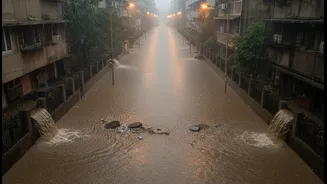
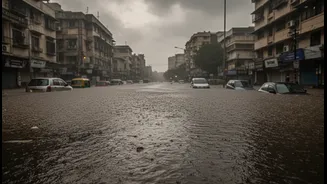
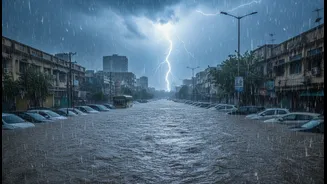
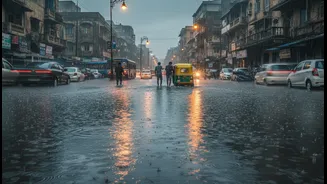
The impact of July’s torrential downpour is most immediately felt by Mumbai's commuters. Unprecedented rainfall, with some areas receiving over 200 mm in just 24 hours, has overwhelmed the city’s transport infrastructure. Waterlogging has become a daily
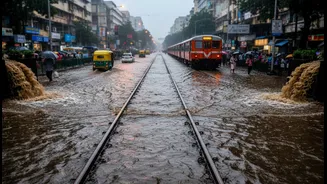
nightmare, forcing the closure of key underpasses like those in Andheri, Malad, and Kurla. This has led to severe traffic congestion on arterial roads such as the Western and Eastern Express Highways. The lifeline of Mumbai, its local train network, has been severely disrupted. Services on the Western, Central, and Harbour lines have seen significant delays of 25-30 minutes and frequent cancellations due to waterlogged tracks. In some cases, services were suspended entirely, leaving thousands of passengers stranded and forced to walk along tracks through floodwaters. The BMC and State Disaster Management Authority have advised residents to work from home and avoid non-essential travel, highlighting the severity of the situation.
For Renters: A Flood of Housing Worries
The recurring floods are reshaping the calculus for renters in Mumbai. The monsoon season now serves as a stark reality check, exposing vulnerabilities in housing that are otherwise hidden. Prospective tenants are increasingly wary of ground-floor apartments and properties in low-lying, flood-prone areas like Sion, Dadar, and parts of the western suburbs. Reports indicate that properties in such zones can see a 10-20% dip in rental values compared to safer locations. The intense rainfall has exposed poor construction and maintenance, with issues of seepage, waterproofing failures, and even flooding inside apartments in premium buildings becoming more common. This forces renters to prioritize a building's resilience to weather over other amenities. The search for a home is no longer just about location and price; it's about survivability during the monsoon, adding another layer of stress to finding affordable and safe housing in the city.
For Urban Planners: A Blueprint Under Pressure
This July's extreme weather is a critical data point for Mumbai's urban planners, underscoring the urgent need for a paradigm shift. Experts argue that the city's decades-old drainage systems are simply not designed to handle the hyper-concentrated downpours linked to a warming Arabian Sea. The constant cycle of flooding has exposed how decades of unplanned urbanisation, encroachment on natural drainage channels like rivers and wetlands, and widespread concretisation have reduced the city's natural ability to absorb water. While the BMC has deployed thousands of workers and hundreds of water pumps, these are reactive measures. The focus is now shifting towards long-term solutions, such as the recently announced ₹13,000-crore flood mitigation master plan. This plan aims to turn Mumbai into a 'sponge city' by upgrading drains, increasing pumping capacity, and incorporating nature-based solutions to improve water absorption. The data from this monsoon serves as a powerful mandate to accelerate these projects and rethink development with climate resilience at its core.