




Embrace Strategic Cross-Ventilation
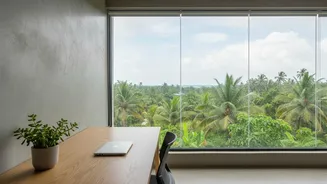
The simplest way to get air moving is to open your windows, but timing is everything during the monsoon. The goal is cross-ventilation: opening windows on opposite sides of your home to create a natural air corridor. Take advantage of breezy, non-rainy
periods, often in the early morning or later in the evening when the outside air is cooler and less humid. Even 15-20 minutes of this can flush out stale, damp air and bring in fresh circulation. However, be sure to close them when it starts raining or when the outdoor humidity feels higher than inside, as you don't want to invite more moisture into your home.
Put Your Fans to Work
Fans don't cool the air, but they create a wind-chill effect that makes you feel cooler and helps evaporate moisture from your skin. For ceiling fans, ensure they are rotating counter-clockwise during the monsoon. This pushes air straight down, creating a direct and refreshing breeze. Don't underestimate portable fans either. Place a pedestal or table fan near an open window to either pull cool air in or push warm, humid air out. You can also create a 'wind tunnel' by placing fans strategically to move air from one room to another, ensuring even the corners of your home get some circulation.
Harness the Power of Exhausts
Your kitchen and bathroom are major sources of humidity. The steam from hot showers and cooking adds a significant amount of moisture to your indoor environment. Make it a habit to run the exhaust fan in your bathroom for 15-20 minutes after every shower to pull that damp air out. Similarly, always use the chimney or exhaust fan in your kitchen while cooking. These fans are specifically designed to vent humid, stale air directly outside, preventing it from circulating through the rest of your house. It's one of the most effective ways to tackle humidity at its source.
Declutter for Better Airflow
Air needs a clear path to move effectively. Large pieces of furniture, piles of boxes, or even stacks of laundry can act as barriers, creating stagnant spots in a room. Take a look at your home's layout. Is a large cupboard blocking the path between two windows? Is a cluttered corner preventing air from circulating? Sometimes, simply rearranging furniture to create clearer pathways can make a noticeable difference. Pulling furniture a few inches away from the walls can also help prevent moisture from getting trapped and allowing air to circulate more freely around the perimeter of the room.
Consider a Dehumidifier
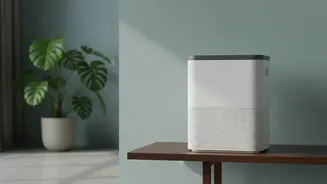
If you live in a particularly humid area or have rooms that are prone to dampness and musty smells (like basements or windowless bathrooms), a dehumidifier can be a game-changer. These appliances work by pulling moisture directly from the air, collecting it as water in a tank. This not only makes the air feel more comfortable but also helps prevent the growth of mould and mildew. When choosing a dehumidifier, consider the size of your room. They are most effective in enclosed spaces where they can process the air without constantly fighting new moisture from outside.
Manage Internal Moisture Sources
Beyond ventilation, actively managing moisture sources within your home is key. Simple habits can contribute significantly. For instance, keep lids on pots and pans while cooking to reduce the amount of steam released into the kitchen. Check for and repair any plumbing leaks promptly. While drying clothes indoors is often unavoidable during the monsoon, try to contain them to a single, well-ventilated room, ideally with a fan running or a dehumidifier nearby to speed up drying and manage the excess moisture.