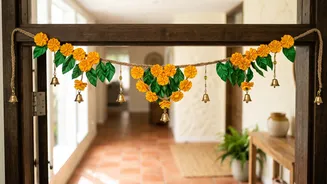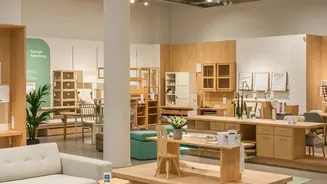




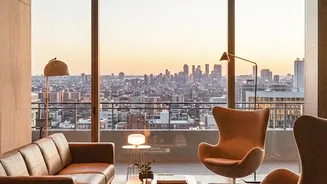
A quiet revolution is unfolding in Indian homes. The once-dominant trend of stark, Western-inspired minimalism is giving way to a warmer, more personal style: one that pairs clean architectural lines with the soulful touch of heritage crafts.
A Shift in the Meaning of 'Modern'
For a long
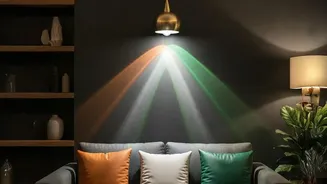
time, 'modern' in Indian interior design was often a synonym for 'Western'. It meant embracing global trends, which could sometimes result in spaces that felt anonymous or disconnected from their cultural context. Homeowners are now challenging this idea. The emerging consensus is that a modern home doesn't have to erase its roots; instead, it can provide the perfect canvas to celebrate them. This new approach, sometimes called 'Indian Minimalism', is less about stark emptiness and more about creating a calm, uncluttered environment where meaningful objects can truly shine. The philosophy is one of intentional curation, where every piece, whether functional or decorative, contributes to the home's identity.
The Search for Authenticity and Identity
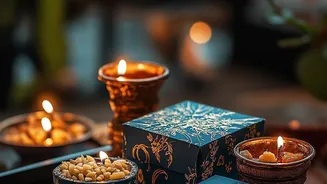
At its heart, this trend is driven by a desire for authenticity. In a world of mass-produced goods, there is a growing appreciation for objects with a story. Homeowners are increasingly looking for pieces that reflect their personal history and cultural identity. A handcrafted item, whether it's a piece of furniture, a textile, or a decorative accent, brings a human touch and a sense of history into a space. This blending of old and new allows individuals to create homes that feel both globally current and deeply personal, telling a story of where they come from without being constrained by the past.
Why Minimalism is the Perfect Backdrop
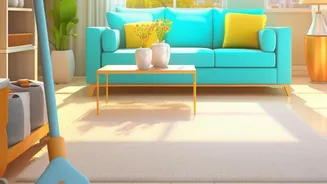
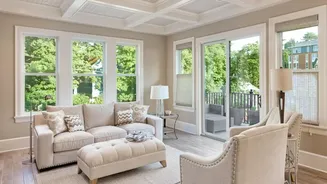
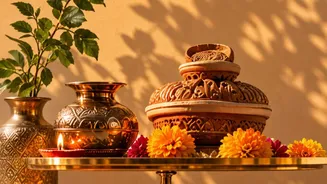
Paradoxically, the simplicity of minimalist architecture is what allows the richness of Indian crafts to stand out. Clean lines, open layouts, and neutral, earthy colour palettes create a visual quiet that serves as an ideal stage for the intricate details and vibrant textures of heritage pieces. Instead of a room filled with competing ornate objects, this approach champions the '70/30 principle', where about 70% of the space is kept modern and uncluttered, allowing the remaining 30% of curated craft pieces to become powerful focal points. A single, beautifully crafted brass vessel on a simple console or a hand-carved wooden panel behind a sleek sofa can define an entire room without creating clutter.
Spotlight on Crafts: From Textiles to Terracotta
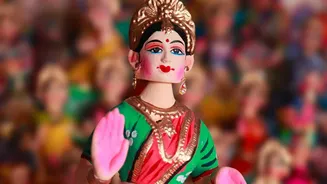
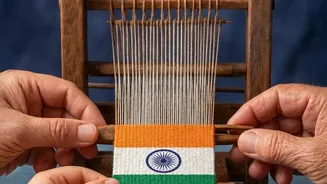
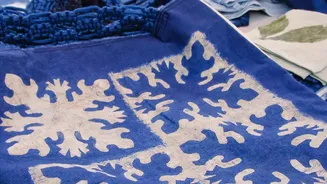
The fusion is happening across a wide spectrum of crafts. Handwoven textiles like Ikat, Khadi, and Bandhni are used for cushions and throws, adding pops of pattern and texture to neutral furniture. Traditional art forms such as Madhubani, Pattachitra, and Pichwai paintings are being treated as singular, large scale artworks. Metalwork, like Dhokra from West Bengal or Bidri from Karnataka, finds its way into homes as sculptures and accent pieces. Natural, sustainable materials like cane, jute, terracotta, and lime plaster are also making a strong comeback, valued for their eco friendly properties and the warmth they bring to a space.
This trend isn't entirely new; it builds on the legacy of pioneering Indian architects like B.V. Doshi and Charles Correa, who consistently sought to fuse modernism with traditional principles and materials. Today's designers and homeowners are continuing this work, proving that heritage and modernity are not opposites. By thoughtfully integrating handmade objects, they are not only creating beautiful and meaningful spaces but also supporting the artisan communities that are the custodians of these centuries old skills. This conscious choice helps ensure that craft traditions are not just preserved as museum pieces but remain a living, evolving part of India's cultural fabric.