






The Age of AI-Generated Sameness
In today's competitive job market, artificial intelligence has become a popular tool for applicants hoping to gain an edge. With generative AI platforms like ChatGPT, it takes only seconds to produce a polished resume or a well-structured cover letter.
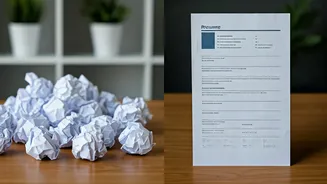
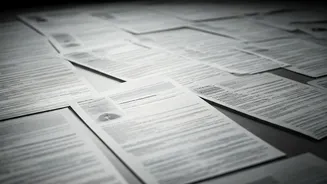
The result? A massive surge in the volume of job applications. Some platforms have seen application numbers jump by nearly 50% in a single year, with thousands of applications being submitted every minute. But this efficiency comes at a cost. Recruiters report being inundated with submissions that are "suspiciously similar." Because many candidates use similar AI prompts, the resulting applications often feature the same action verbs, sentence structures, and professional summaries, making it incredibly difficult to distinguish one person from the next.
The Recruiter's Dilemma
For hiring managers, this flood of low-quality, AI-generated content is a nightmare. Sifting through hundreds, sometimes thousands, of nearly identical resumes to find a genuinely qualified individual is a monumental task. Recruiters complain that these applications, while often grammatically perfect, say a lot but explain nothing. They lack specific details, measurable outcomes, and the personal touch that reveals a candidate's true impact and personality. This forces recruiters to spend more time vetting candidates and verifying credentials, ironically slowing down the hiring process that AI was supposed to accelerate. The problem has become so pronounced that many companies are now using AI detection tools to screen the AI-written applications, creating an 'AI vs. AI' arms race in recruitment.
Why Your AI Application Gets Ignored
For job seekers, relying too heavily on AI can be a strategic blunder. While it might feel productive to send out dozens of tailored applications, hiring managers can often spot robotic text instantly. A recent survey found that a significant majority of hiring managers dislike AI-generated applications, viewing them as generic and an indicator of laziness. Many admit they are less likely to move forward with a candidate if they suspect the application was written entirely by a machine. When your resume sounds exactly like everyone else's, it fails to communicate your unique value. The very tool used to stand out is causing you to blend in, and your application gets lost in the digital noise.
Using AI the Smart Way
The solution isn't to abandon AI altogether, but to use it as an assistant, not a replacement for your own effort. Career experts advise using AI for brainstorming, proofreading, and optimizing your resume with relevant keywords to get past initial Applicant Tracking System (ATS) filters. You can ask AI to help you structure your cover letter or prepare for interviews by simulating questions. However, the final product must be infused with your own voice and specific accomplishments. Always review and heavily edit any AI-generated text to ensure it reflects your personality, includes concrete metrics, and tells a compelling story about your career. Authenticity is your most powerful asset.
How the Hiring Game Is Adapting
In response to this challenge, companies are evolving their hiring strategies. Beyond using AI detectors, many are shifting toward skills-based hiring, relying less on the resume and more on practical assessments, case studies, and structured interviews that test real-world abilities. Some are even adding simple video or voice prompts to the application process to deter bots and get a sense of the human applicant. Referrals and direct networking are also becoming more valuable than ever, as they provide a trusted filter that cuts through the noise. For candidates, this means the focus is shifting back to what has always mattered: demonstrating genuine skills, providing tangible proof of your impact, and building human connections.