


From Byproduct to Prized Ingredient
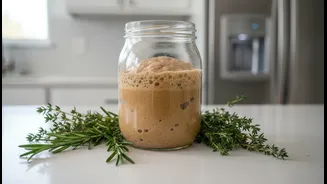
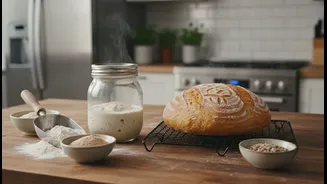
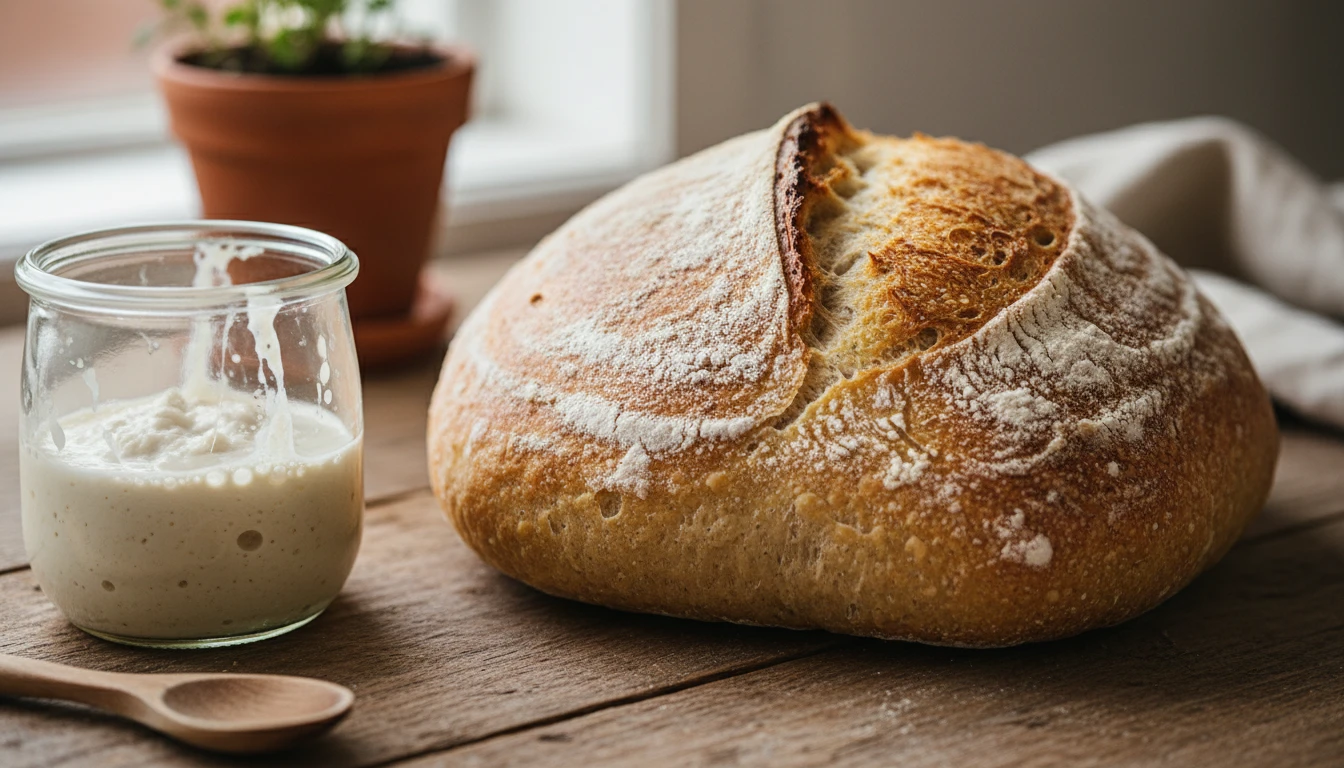
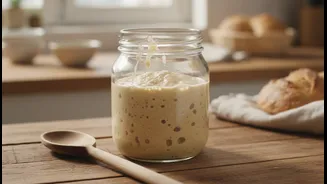
Anyone who has maintained a sourdough starter knows the routine: to keep the living culture of yeast and bacteria healthy, you must regularly 'discard' a portion before feeding it fresh flour and water. For years, this tangy, unfed starter was often destined
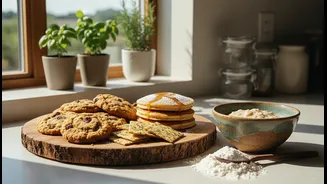
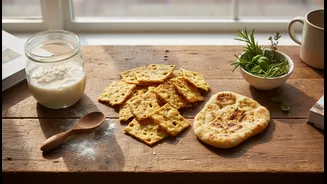
for the bin. But that's changing. Home bakers are now viewing this discard not as waste, but as a valuable ingredient. Packed with fermented flavour, it adds a delicious complexity to a huge range of recipes that don't rely on its leavening power, including pancakes, crackers, waffles, and even pasta. This shift from trash to treasure is at the heart of its newfound fame.
A Stand Against Food Waste
The primary driver behind the sourdough discard trend is a powerful and growing opposition to food waste. Using discard is a tangible, delicious way to practice what many preach. Globally, wasted food is a significant contributor to greenhouse gas emissions, making kitchen-level decisions more impactful than they might seem. For many millennial and Gen Z cooks, who are increasingly conscious of the environmental footprint of their food choices, saving and using discard is a simple, satisfying act of sustainability. It's a small rebellion against a throwaway culture, turning a byproduct that would have been wasted into a meal. This mindset extends beyond sourdough, influencing bakers to find uses for cake trimmings, fruit peels, and other kitchen scraps.
The Millennial Mindset: Frugal and Conscious
Millennials, in particular, are leading this charge, driven by a blend of economic prudence and environmental ethics. Having entered a world with significant economic and climate challenges, this generation is known for valuing sustainability, supporting local sourcing, and seeking transparency from the brands they use. Eco-friendly baking fits perfectly within this value system. It's not just about saving money by using every last scrap; it's about making conscious choices that align with a greener lifestyle. The sourdough discard movement is a perfect microcosm of this, combining resourcefulness with a desire for wholesome, homemade food.
The Rise of 'Eco-Baking'
Using sourdough discard is a gateway to a broader philosophy of 'eco-baking'. This approach involves thoughtful decisions at every stage of the baking process. It can mean choosing regeneratively grown or local flours, opting for plant-based milks to reduce emissions, minimising energy use by not peeking in the oven, and ditching single-use plastics like cling film for reusable covers. In India, the trend is visible in the growing preference for whole grains over refined flour and the adoption of biodegradable packaging by bakeries. Consumers are increasingly interested in the entire lifecycle of their food, and practices that reduce waste and environmental impact are gaining significant traction.
Social Media's Role in Spreading the Word
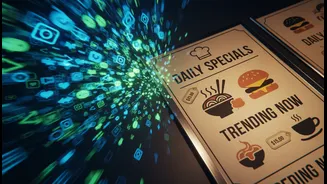
You can't discuss a modern food trend without acknowledging the role of social media. Platforms like Instagram, TikTok, and YouTube have been instrumental in popularising sourdough discard recipes. Visually appealing posts and videos showcase the incredible versatility of discard, offering endless inspiration for turning it into everything from quick breads to empanadas. These platforms create a community where bakers can share tips, troubleshoot, and celebrate their waste-saving creations. This digital word-of-mouth has transformed what was once a niche practice into a mainstream movement, empowering countless home cooks to see their kitchen 'waste' in a completely new light.