

The New Religion of Wellness
The single biggest driver behind this shift is a growing, collective consciousness around health and wellness. As concerns about lifestyle diseases like diabetes and obesity rise, urban consumers are becoming more intentional about what they eat. This
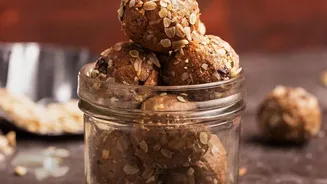
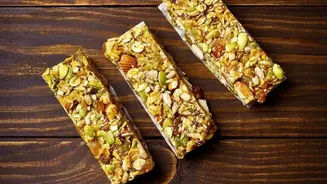
isn't just about avoiding fried foods anymore; it's about actively seeking nutritional benefits. Consumers are reading labels, counting calories, and demanding snacks that offer functional advantages, such as high protein, fibre, and essential vitamins. Reports show a massive 86% of Indian consumers now consider protein important when choosing a snack, with many willing to pay more for it. This has fueled the surge in products like protein bars, which were once a niche item for gym-goers but are now a mainstream choice for everyday energy. The India protein bar market is expected to grow significantly, reflecting this shift from mindless indulgence to mindful eating.
Convenience for the Urban Hustle
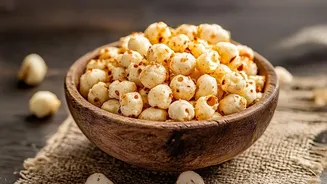
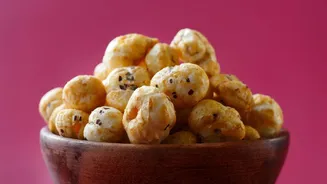
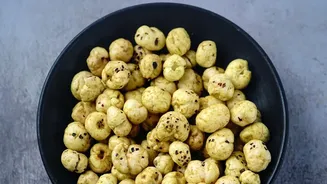
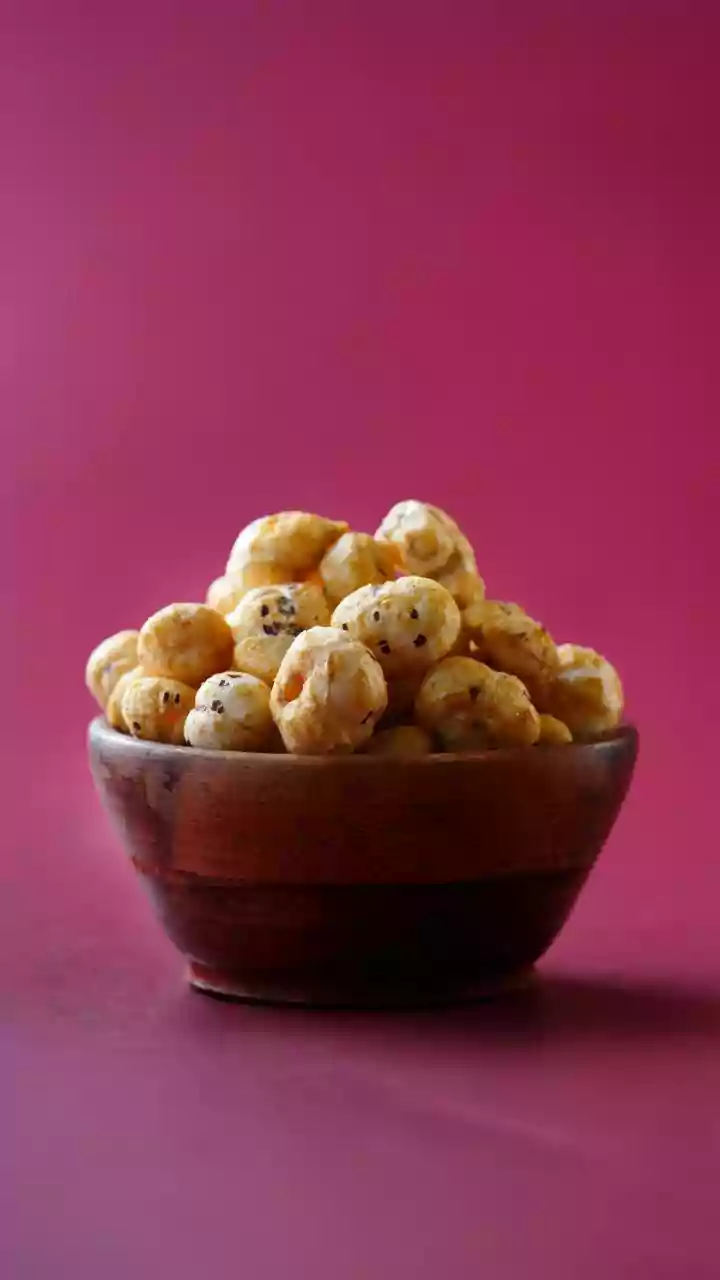
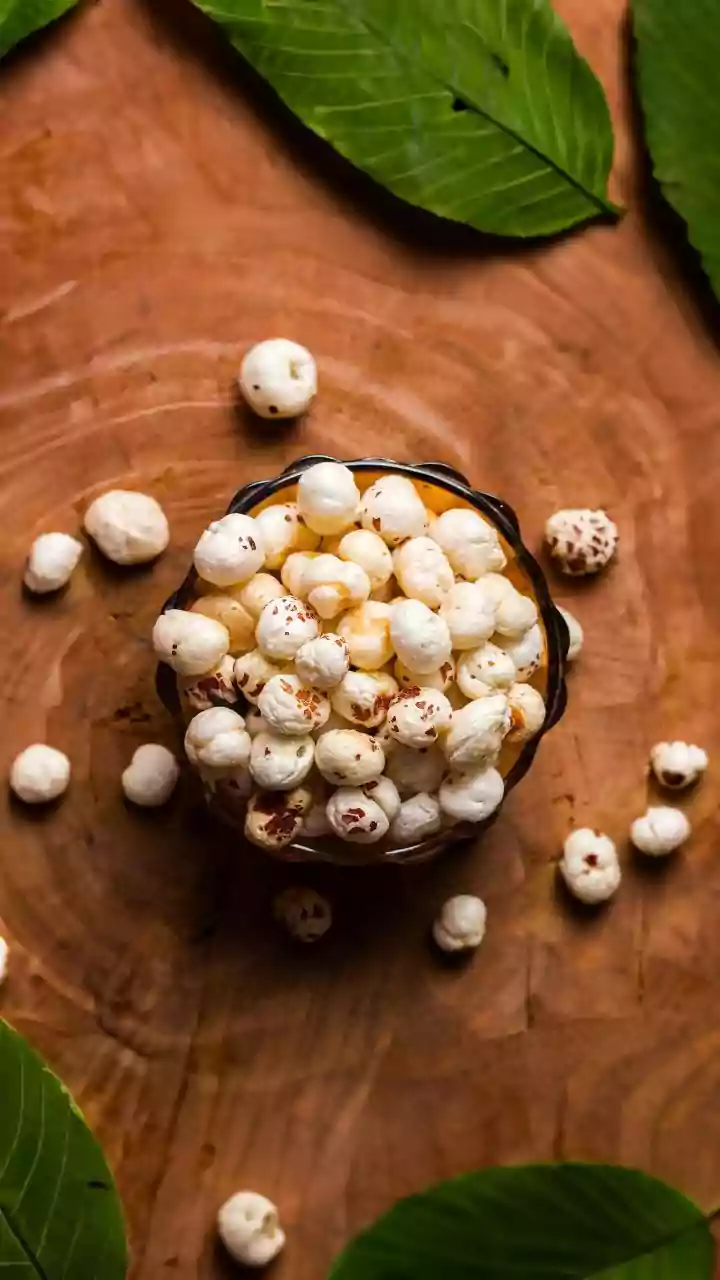
Rapid urbanisation and increasingly busy lifestyles have made convenience a non-negotiable aspect of modern life. Long commutes and demanding work schedules leave little time for the elaborate preparation that many traditional Indian snacks require. The modern Indian professional needs something they can grab and eat on the go, at their desk, or between meetings. Packaged and ready-to-eat options perfectly fit this need. This is where both protein bars and newly packaged traditional snacks win. A protein bar offers a quick, measured dose of energy and nutrients without any fuss. Similarly, a packet of roasted and flavoured makhana (fox nuts) provides a light, healthy, and mess-free alternative to oily and perishable traditional options. The rise of quick commerce platforms has further accelerated this trend, making these convenient snacks available in minutes.
The Great Indian Snack Reinvention
This evolution isn't simply about Western snacks replacing Indian ones. More interestingly, traditional snacks are getting a modern makeover to compete. Ancient superfoods like makhana, millet, and chickpeas are being rediscovered and rebranded for the 21st-century consumer. Once a humble, homemade snack, makhana is now a booming industry, with the market projected to reach nearly ₹12,000 crore by 2029-30. It's now sold in gourmet flavours ranging from peri-peri to cheese and onion, in slick packaging that appeals to a health-conscious, urban audience. This trend extends to millet-based chips, roasted chana mixes, and multigrain crackers, which offer familiar tastes in healthier, more convenient formats. Brands are successfully blending nostalgia with the modern demands for health and transparency, proving that the old can indeed be gold.
Startups and the 'Clean Label' Wave
Much of this innovation is being driven by a new wave of direct-to-consumer (D2C) startups. These agile companies have been quick to identify the gap in the market for snacks that are both healthy and tasty. They are building their brands on the promise of 'clean labels'—shorter, recognisable ingredient lists without artificial preservatives or refined sugar. Studies show that a majority of consumers prefer snacks sweetened with natural ingredients like dates or jaggery and value ingredient transparency above all else. This focus on clean, natural, and nutrient-dense products is what sets these new-age brands apart from legacy FMCG giants. By leveraging online channels and telling a strong story about sourcing and nutrition, they are creating a loyal following among a generation that wants to know exactly what is inside the packet.