






A Major Boost in Speed and Capacity
The single biggest source of frustration—the website crashing during peak hours—is the primary target of this upgrade. The new system is built to handle a massive increase in traffic, capable of processing up to 1.5 lakh bookings per minute, a huge leap
from the previous capacity of around 32,000. The enquiry system, which handles PNR checks and train searches, will also be able to manage over 40 lakh enquiries per minute, ten times its previous limit. For passengers, this means a much lower chance of seeing the dreaded loading screen or getting kicked out, especially during the frantic Tatkal booking window.
A Smarter, Cleaner Booking Process
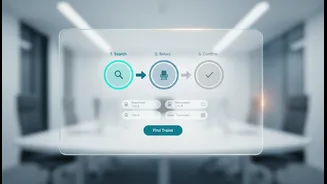
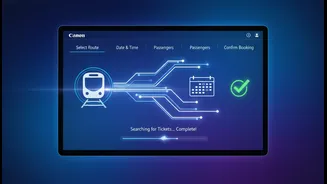
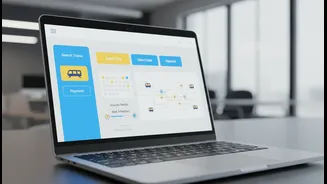
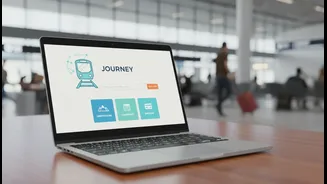
The revamped website aims to make the entire booking flow faster and more intuitive. One of the most welcome changes is the reduction of interruptions. The new design promises fewer CAPTCHA verifications and distracting pop-up ads that slow users down. Furthermore, instead of having to check for seat availability in each class separately (Sleeper, 3AC, 2AC), the new interface will show availability across all classes on a single screen, making it much easier to compare options and make a quick decision.
New Features for Passenger Convenience
Beyond speed, the upgrade introduces several new features requested by users. A new 'fare calendar' will allow travellers with flexible dates to easily compare prices and find cheaper options. Perhaps most excitingly, passengers will have the option to select their preferred seat or berth during the booking process, similar to choosing a seat on a flight, subject to availability. The platform will also offer enhanced multilingual support, making it more accessible to people across India.
A Better Experience for All Travellers
The upgrade also focuses on making the platform more inclusive. Services for Divyangjan (persons with disabilities), students, and patients, which often required separate processes for concessions, are being integrated into the main booking platform. This move is designed to simplify the booking journey for those who rely on these concessions. The improvements are not just limited to the desktop website; most of the new features and the enhanced performance will also be rolled out on the RailOne mobile app.
Behind the Scenes: A Foundational Upgrade
This isn't just a cosmetic facelift. The new website is the front end for a completely revamped Passenger Reservation System (PRS), the core software that has powered Indian Railways' bookings for decades. The original system dates back to the 1980s and has been upgraded piecemeal over the years. This comprehensive overhaul, prompted in part by feedback from students to the Railway Minister, aims to create a modern, stable, and scalable foundation for the future of train travel in India. While the full transition may take a few months as the new systems are integrated, the initial launch promises a significant step forward.