








The Soaring Cost of Computation
At the heart of the issue is the immense energy required to power artificial intelligence. Unlike simple software, AI models, especially large language models (LLMs), run on powerful, energy-intensive hardware housed in massive data centers. The process
is twofold: first, there is the 'training' phase, where a model learns from vast datasets, a process that can be incredibly power-hungry. Then there is the 'inference' phase, which occurs every time a user makes a request, like asking a chatbot a question or generating an image. While training is a one-time energy blast, inference accounts for the majority of an AI's lifetime energy use, and as AI integrates into more daily applications, this demand is skyrocketing.
What the Harvard Study Revealed
A recent study from Harvard University researchers provides a sobering look at this escalating demand. Analyzing 403 of the largest 'hyperscale' data centers in the U.S. between May 2024 and April 2025, the study found they generated approximately 25.7 million metric tons of carbon dioxide. This is an output comparable to the entire country of Denmark and is two to three times higher than previous estimates from 2018. Researchers noted that this is likely a conservative estimate, as the AI boom has only accelerated since the study period ended. The findings highlight that over half of the electricity consumed came from fossil fuels, primarily natural gas and coal, indicating a step backward in controlling emissions, according to one of the researchers.
More Than Just Electricity
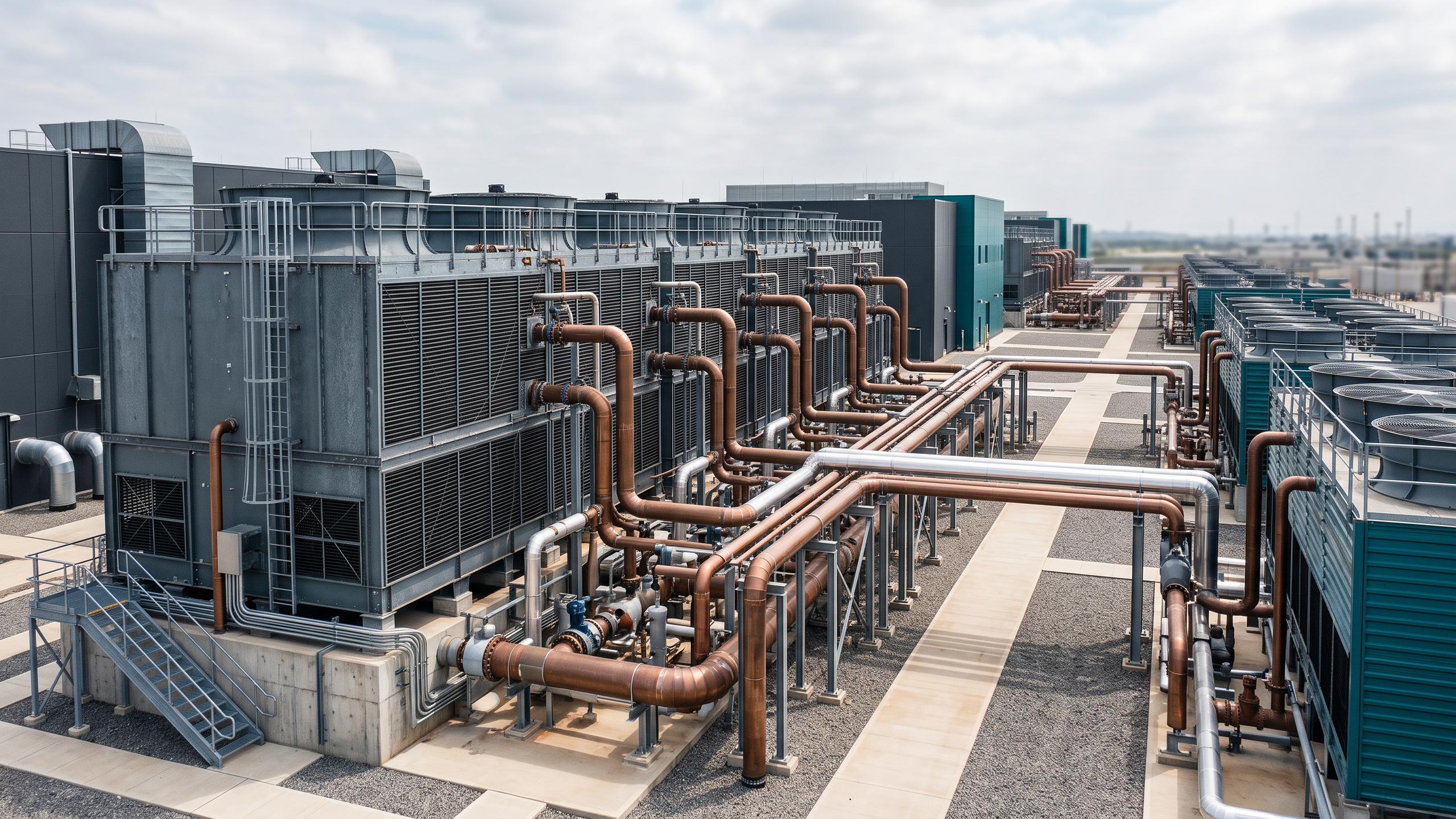
The environmental impact extends far beyond carbon emissions from electricity. Data centers are also incredibly thirsty, consuming enormous volumes of water for cooling their servers. A large data center can use millions of gallons of water per day, putting a strain on local water supplies, especially in drought-prone regions where many of these facilities are located. Furthermore, there is the 'embodied carbon' of the hardware itself—the mining of critical minerals for chips, the manufacturing process, and the eventual electronic waste generated when servers become obsolete. These elements combine to create a comprehensive environmental footprint that is often hidden from the end-user.
The Geography of Impact
The Harvard study emphasized that a data center's environmental impact heavily depends on its location. A facility powered by a coal-heavy grid, like in Wyoming, can produce significantly more carbon than one in a region with abundant hydropower, such as Oregon. The research found that just four states—Virginia, Oregon, Ohio, and Iowa—accounted for more than half of the electricity use studied, concentrating the environmental burden in these areas. This localization of impact raises questions of environmental justice, as communities near these massive facilities often bear the brunt of the strain on energy grids and water resources, while the benefits of AI are distributed globally.
Efficiency vs. Explosive Growth
The technology industry is not blind to this problem. Companies are actively investing in more energy-efficient chip designs, advanced cooling techniques that use less water, and powering their operations with renewable energy. However, a challenge known as the 'rebound effect' looms large. Even as AI becomes more efficient on a per-query basis, the overall use of AI is expanding so rapidly that total energy and resource consumption continues to climb. The International Energy Agency projects that electricity demand from data centers could more than double by 2030, with AI being the main driver of that growth. This creates a difficult race where efficiency gains struggle to keep pace with the sheer scale of deployment.