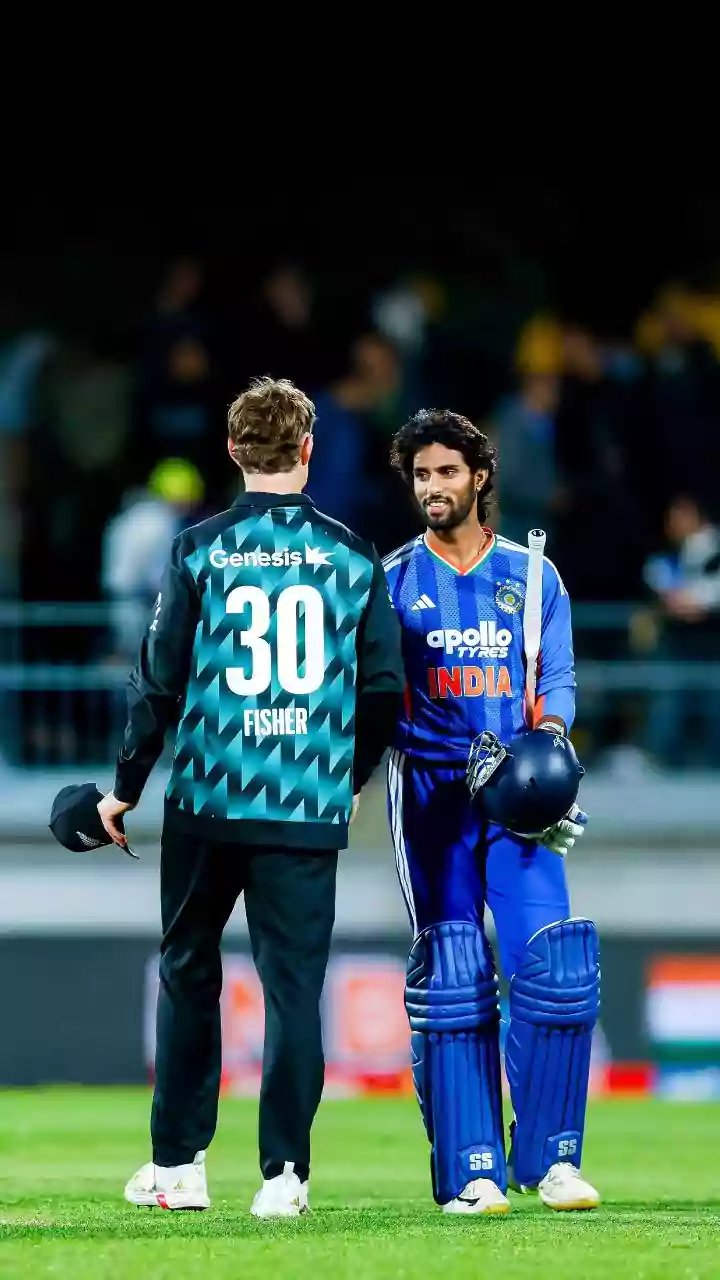



Another match, another disappointment. Shreyas Iyer's latest failure against New Zealand has turned a murmur of concern into a roar. With the T20 captaincy resting on his shoulders, his string of low scores is no longer just a personal dip.
A Worrying Pattern of Failures
The scoreboard
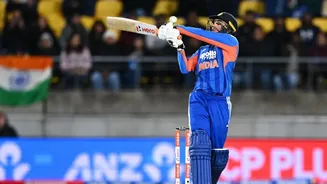
in the fourth T20I against New Zealand was a painful sight for fans of the stylish right-hander. Another single-digit score has amplified concerns over his recent form. This isn't an isolated incident. Looking at the current series, Iyer's scores have been alarmingly low, with scores of 5 and 7 in the previous two matches. This slump follows a period where he showed immense promise, even scoring his maiden T20I century against the West Indies just weeks ago. That innings, however, now feels like a distant memory, an outlier in a trend of diminishing returns. The inconsistency is what's most troubling; the man who can dominate attacks with grace and power seems to have lost his touch at a crucial time. For a player of his calibre and a captain of the national side, such a lean patch is more than just a footnote; it's a headline issue.
The Weight of the Captain's Armband
When a captain fails to perform, the impact is twofold. It not only leaves a gap in the batting lineup but can also undermine their authority in the dressing room. While Iyer's batting average and strike rate as captain are statistically better than when he plays just as a batsman, recent failures tell a different story. Leading from the front is a non-negotiable for an Indian captain, and right now, Iyer is struggling to do so. The pressure of leading a T20 side, a format that demands split-second decisions and aggressive intent, can be immense. Experts have noted his sharp tactical brain, but a captain's best tactical move is often scoring crucial runs himself. This recent dip puts his leadership under the microscope, raising the uncomfortable question of whether the dual responsibility is becoming too much to handle, especially after a mixed start to his captaincy tenure which included series losses to Ireland and England.
The Old Ghost: A Short Ball Problem
It's impossible to discuss a Shreyas Iyer slump without talking about the short ball. For years, this has been his Achilles' heel, a weakness that opposition bowlers have exploited ruthlessly. While there have been periods where he seemed to have conquered this demon, developing new strategies to counter bouncers, his recent dismissals suggest the problem persists. Fast bowlers, particularly on bouncy pitches like those in New Zealand, will have a clear plan: attack his body and cramp him for room. This technical vulnerability can quickly become a mental one. When a batsman anticipates a specific delivery, it can disrupt their entire rhythm and shot selection. Iyer's challenge is not just to survive the short ball but to dominate it, turning a perceived weakness back into a scoring opportunity, something he has shown he can work on.
Time to Panic? Not Just Yet
Before sounding the final alarm, it's crucial to remember the class that Shreyas Iyer possesses. He has a strong overall record against New Zealand across formats and has previously performed well on their soil. Form is temporary, and a player who has scored centuries in Test debuts and led an IPL side to a title knows how to navigate pressure. His ability to dismantle spin bowling remains world-class, and his middlendorder batsmanship has rescued India on numerous occasions. This might be a severe dip, but it doesn't erase his past achievements or future potential. He has bounced back from injuries and selection setbacks before, including being dropped from the BCCI's central contract list only to return as captain. This resilience is a key part of his story. The management and fans should be concerned, but writing him off would be a premature and costly mistake.