




Visa-Free? Not Quite, But Close
Let's clear up the biggest question first. While the headline says 'visa-free', the reality for Indian passport holders is even better in some ways: a super-fast and simple electronic visa. Unlike the hassle of embassy appointments, Azerbaijan offers
the ASAN e-Visa system, a fully online portal. The application takes just a few minutes, requiring a scanned copy of your passport and a photograph. Standard processing takes about three days, but an urgent option can get your visa emailed to you in as little as three hours. There is no visa-on-arrival for Indian citizens, so you must apply online before you travel. This streamlined process removes the biggest hurdle of international travel, making a spontaneous trip entirely possible.
Your Wallet Will Thank You
The phrase 'shoestring hit' is no exaggeration. Azerbaijan is remarkably affordable, making it a perfect fit for Gen Z travellers on a budget. A comfortable 5 to 7-day trip can cost between ₹50,000 and ₹75,000 per person, including flights. Direct flights from major Indian cities like Delhi and Mumbai are relatively short, around four to five hours, and can be found for ₹25,000-₹35,000 if booked in advance. Once there, the costs remain low. Hostels and budget-friendly guesthouses are plentiful, especially outside the capital. Street food like kebabs and shawarma is delicious and cheap, and public transport is efficient. Even the currency exchange rate, with 1 Azerbaijani Manat (AZN) roughly equal to ₹50, makes mental maths easy while shopping.
Baku: Where Future Meets Past
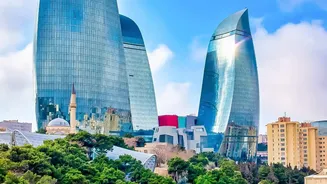
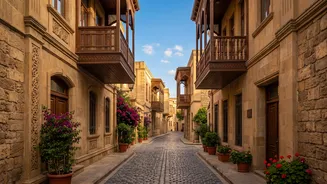
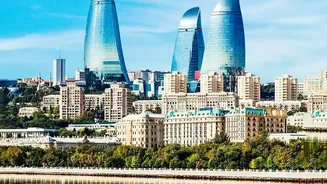
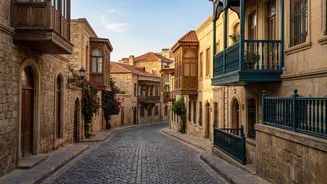
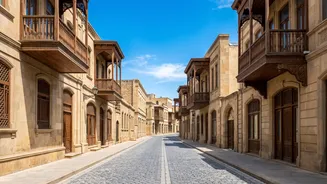
Azerbaijan's capital, Baku, is a city of stunning contrasts. On one hand, you have the futuristic skyline dominated by the iconic Flame Towers, which light up with mesmerising displays every night. Then there’s the Heydar Aliyev Center, a mind-bending architectural marvel of flowing white curves. But just a short walk away, you can step back in time by entering the ancient walls of Icherisheher, the UNESCO-listed Old City. Here, you can wander through narrow cobblestone alleys, discover hidden mosques, and explore the historic Maiden Tower. The city feels like two worlds in one: a modern, dynamic hub perfect for Instagram and a timeless, historical core that tells stories of the Silk Road and ancient empires. For a truly Gen Z experience, check out one of Baku's 'anti-cafes', where you pay for the time you spend, not the coffee you drink, while playing board games or just hanging out.
Sheki: A Journey on the Silk Road
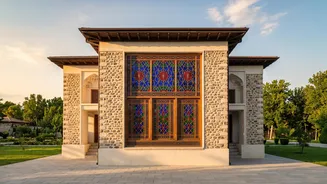
A few hours' drive from Baku lies Sheki, a city that feels a world away from the capital's modernity. Nestled in the foothills of the Greater Caucasus Mountains, Sheki is a beautifully preserved Silk Road town. Its crown jewel is the Palace of the Sheki Khans, a masterpiece of intricate woodwork and stunning 'shebeke' stained-glass windows, famously assembled without a single nail or drop of glue. The historic centre is a UNESCO World Heritage site, filled with history. For a truly unforgettable experience, you can even stay in a restored caravanserai—a traditional roadside inn where traders and their caravans would rest. These inns have been converted into atmospheric hotels, allowing you to sleep within the same walls that once housed Silk Road merchants centuries ago. Wandering through Sheki’s charming streets and sampling its famous sweet, sticky halva offers an authentic taste of ancient Caucasus life.
The Vibe and The Flavours
Beyond the sights, what truly makes Azerbaijan a hit is its welcoming vibe and incredible food. The culture is a fascinating blend of Turkic, Persian, and Russian influences, creating a unique identity. English is widely understood in tourist areas in Baku, making it easy for travellers to navigate. The cuisine is a highlight, with must-try dishes like 'plov' (a saffron-infused rice pilaf), juicy 'lyulya' kebabs, and Sheki's signature dish, 'piti', a hearty lamb stew cooked in a clay pot. The country offers a perfect balance: it's organised and safe for first-time international travellers, yet it remains off the beaten path enough to feel like a real discovery. This combination of affordability, accessibility, and unique cultural experiences is precisely why it’s resonating so strongly with a new generation of Indian explorers.