
Panch Phoron: The Five-Spice Blend
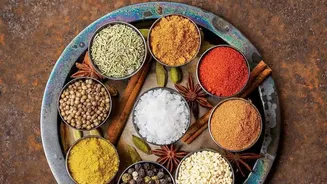
Hailing from Eastern India, particularly Bengal, Panch Phoron literally translates to 'five spices'. It's a blend of whole seeds used for tempering (tadka), where the spices are sizzled in hot oil to release their aromatic compounds before other ingredients
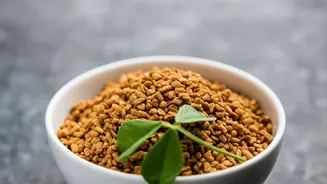
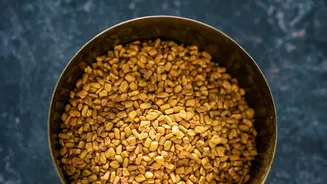
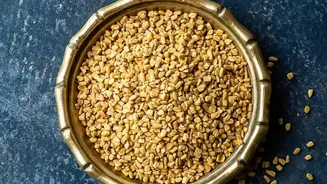
are added. The mix traditionally consists of fenugreek, nigella, cumin, black mustard, and fennel seeds in equal parts. Fenugreek's role is crucial; its raw bitterness mellows when cooked, providing an earthy, caramel-like undertone that balances the sweetness of fennel and the pungency of mustard. This blend is the soul of many Bengali vegetable dishes, dals, and pickles.
Sambar Powder: The South Indian Staple
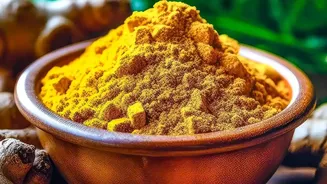
No South Indian kitchen is complete without a jar of sambar powder. This aromatic ground masala is the heart of the eponymous lentil and vegetable stew. While recipes vary by region and household, a consistent ingredient is fenugreek. It's typically dry-roasted along with coriander seeds, cumin, red chillies, and various dals like toor and chana dal before being ground into a fine powder. The slight bitterness of methi seeds is essential for cutting through the richness of the lentils and the tanginess of tamarind, providing a well-rounded, complex flavour profile that defines a good sambar.
Goda Masala: The Maharashtrian Classic
Goda Masala, also known as Kala Masala, is a distinctive and fragrant spice blend from Maharashtra. Unlike the more common Garam Masala, this blend has a sweet, smoky, and earthy profile, often incorporating ingredients like dried coconut, sesame seeds, and the unique 'dagad phool' (stone flower). Fenugreek seeds are a key, albeit small, component, roasted with other spices like cloves, cinnamon, and bay leaves. Their inclusion adds a subtle, foundational bitterness that enhances the blend’s complexity, making it perfect for traditional dishes like masale bhaat, usal, and various stuffed vegetable preparations.
Achari Masala: The Tangy Pickling Spice
The word 'achari' means 'pickle-like', and this masala delivers that signature tangy, pungent flavour to a variety of dishes, not just pickles. It is used to flavour everything from chicken and paneer to everyday vegetables. The core components often include mustard seeds, fennel seeds, nigella seeds, cumin seeds, and, crucially, fenugreek seeds. Fenugreek contributes its characteristic sharp, savoury flavour, which is indispensable for creating an authentic pickle taste. The seeds are typically dry-roasted and coarsely ground, preserving their robust character in the final blend.
A Basic Curry Powder Base
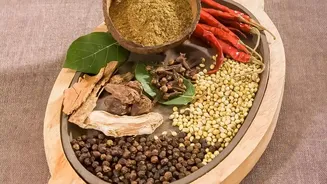
While countless commercial curry powders exist, creating a foundational blend at home allows for freshness and customisation. A simple, all-purpose curry powder often starts with a base of coriander and cumin seeds. Adding fenugreek seeds, even in a small quantity, introduces a depth and a slightly bitter note that prevents the blend from tasting flat. When toasted with other whole spices like peppercorns and dried red chillies, fenugreek’s raw edge softens into a nutty, savoury aroma, essential for building the base flavour of many gravies and vegetable stir-fries.
Spotlight On Fenugreek Infusion
Beyond the kitchen, fenugreek seeds are celebrated in traditional wellness practices, most notably as an infusion known as methi water. The preparation is simple: soak one to two teaspoons of fenugreek seeds in a glass of water overnight. In the morning, the water, now turned a pale golden hue, is consumed, often on an empty stomach. Traditional systems like Ayurveda have long used this infusion for various purposes. It's believed to aid digestion due to its high soluble fibre content, which can help soothe the stomach and promote regularity. The infusion is also popularly associated with managing blood sugar levels, enhancing metabolism, and supporting new mothers with lactation.