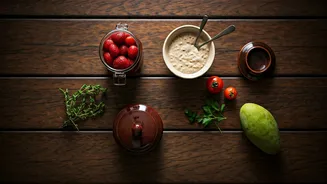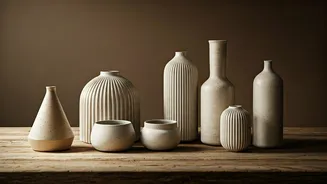






More Than Just a Bowl
Before they became a staple on aesthetically curated Instagram feeds, terracotta vessels, or ‘mitti ke bartan’, were the backbone of Indian kitchens for centuries. These earthenware pieces are not just objects; they are a direct link to the earth and
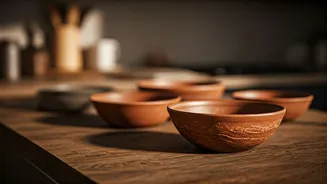
a tradition of slow, mindful cooking. Made from clay, shaped by a potter's hands, and fired in a kiln, each bowl carries the imprint of its maker and the story of its origin. Using a terracotta bowl is an act of connecting with a past where utility and beauty were inseparable. It’s a nod to sustainability in an age of disposable culture, a durable and eco-friendly choice that returns to the earth when its long life is over.
The Rustic Aesthetic Upgrade
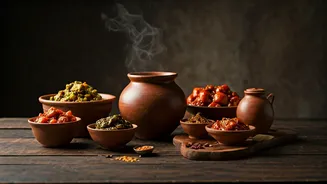
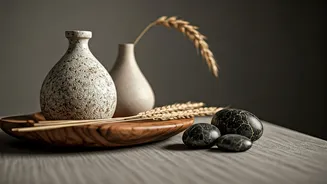
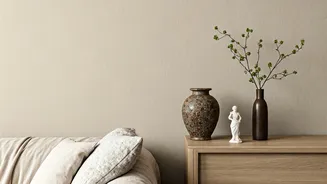
The headline gets it right. The primary draw for many is the undeniable visual appeal. The warm, reddish-brown hue of terracotta brings an earthy, rustic charm that instantly elevates a kitchen space. Unlike the cold, uniform finish of factory-made dinnerware, terracotta has texture and soul. Its matte surface, subtle imperfections, and handcrafted form provide a stunning contrast to sleek modern countertops and cabinets. Whether used to serve a vibrant dal, a creamy bowl of dahi, or simply to hold fruits on a counter, these bowls act as functional art. They introduce a natural, grounding element to your home, making your kitchen feel more inviting, personal, and curated.
A Healthier, Tastier Meal
The benefits of terracotta go far beyond looks. Clay is naturally porous, which allows for slow and even cooking as heat and moisture circulate through the vessel. This gentle cooking process helps retain the nutrients in the food, which are often lost with high-heat metal pans. Furthermore, clay is alkaline in nature. When food is cooked or stored in a clay pot, the clay helps neutralize the acidity of the ingredients, making the food easier to digest and subtly enhancing its flavour. This is why dahi set in a mitti pot tastes uniquely sweet and creamy—the pot absorbs excess water, resulting in thicker curd. Similarly, water stored in a ‘matka’ is naturally cooled and infused with a distinct, pleasant earthy taste.
Choosing Your Perfect Piece
When you decide to bring terracotta into your home, buying well is key. Look for unglazed pieces for the most authentic experience and health benefits, as glazes can sometimes contain harmful materials. A good quality pot will have a smooth, even finish without any visible cracks. Tap it gently; it should produce a clear, ringing sound, not a dull thud, which could indicate a hidden fracture. While many artisans sell their wares in local markets, a growing number of online stores and lifestyle brands are now collaborating directly with craftspeople, ensuring you get an authentic, well-made product. From the dark, smoky finish of Longpi pottery from Manipur to the classic reddish earthenware found across North India, there is a wide variety to explore.
Caring For Your Earthenware
Terracotta requires a little more love than your standard dinnerware, but the effort is well worth it. Before its first use, you must season your new bowl. Submerge it in water for at least 12-24 hours, then let it dry completely. Afterwards, you can rub it with a bit of cooking oil and heat it gently in the oven or on the stove. For cleaning, avoid harsh detergents and metal scrubbers, which can damage the porous surface and strip its seasoning. Instead, use hot water and a soft brush. If you need to tackle a stubborn stain, a paste of baking soda and water works wonders. Always allow your terracotta to air-dry completely before storing it to prevent mould growth.