





The Familiar Frustration of a Rainy Wait
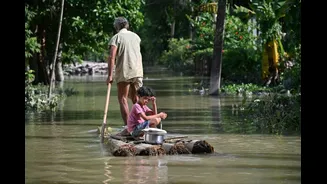
It's a scene every city dweller in India knows well. The sky opens up, and you need to get home. You pull out your phone, book a cab, and the app cheerfully informs you that your ride is five minutes away. But where do you wait? The sidewalk offers no protection,
shopkeepers' awnings are already crowded, and there isn’t a bus stop in sight. By the time your driver arrives, you’re often half-drenched, making for an uncomfortable and frustrating start to your journey. This gap between booking a ride and getting into it safely and dryly has been a persistent annoyance of urban travel, especially during the long monsoon months. For years, technology has solved the hailing part of the equation, but the waiting part has remained a very physical, and often very wet, problem.
A Smarter Pickup Solution Emerges
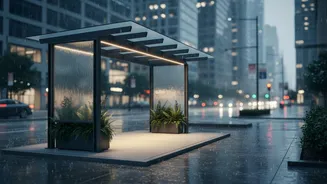
Addressing this common pain point, ride-hailing services are now integrating smarter, weather-aware features. The latest innovation is the introduction of “covered pick-up” suggestions. Instead of leaving you to fend for yourself, some apps now use their mapping technology to identify and suggest nearby locations that offer shelter from the rain. These could be metro station entrances, buildings with large porticos, overhead pedestrian bridges, or officially designated pick-up zones that are shielded from the elements. When the app detects rain at your location, it can proactively recommend these spots, shifting your pickup pin to a more practical, drier alternative. This simple tweak reframes the entire process from a game of chance against the weather to a more controlled and comfortable experience.
How It Works in Practice
The implementation is designed to be seamless and intuitive. For apps that have rolled out this feature, the process is largely automatic. When you open the app to book a ride during a downpour, the system cross-references your GPS location with its map data, which now includes layers for covered structures. Instead of just defaulting to your exact coordinates, the app might display a prompt: “It’s raining! Wait at the nearby metro gate for a dry pickup?” with an option to accept the new spot. Accepting it automatically reroutes both you and your driver to the sheltered location. This feature relies on a combination of real-time weather data from services like the India Meteorological Department (IMD) and detailed mapping that goes beyond just roads to understand building structures and public infrastructure.
More Than Just Staying Dry
The benefits of covered pick-up points extend beyond simple convenience. They create a safer and more efficient experience for both rider and driver. For riders, waiting in a well-lit, designated area like a metro station is often safer than standing on a poorly lit, waterlogged street corner. For drivers, these predefined spots reduce confusion and the time spent searching for their passenger. A clear instruction to “pick up at Gate 4” is far more effective than trying to spot someone in a sea of umbrellas on a chaotic, rain-slicked road. This leads to faster pickups, fewer cancellations due to confusion, and a less stressful interaction overall. It helps streamline the critical first moments of the ride, preventing delays and ensuring the journey begins smoothly.
The Future of Hyper-Local Commuting
This feature is part of a larger trend in which technology is becoming increasingly aware of the real-world, hyper-local environment. Ride-hailing and navigation apps are no longer just about getting from point A to B; they are about optimizing the entire journey based on immediate conditions. From providing real-time traffic updates to integrating air quality data and, now, offering weather-specific solutions, these platforms are becoming indispensable urban companions. As data becomes more granular, we can expect to see even more sophisticated suggestions, perhaps guiding users through covered walkways or suggesting multi-modal trips that minimize exposure to the elements. These small, thoughtful innovations are what truly define the future of smart urban mobility, making city life more manageable one dry trip at a time.