



What is This Desi Superfood?
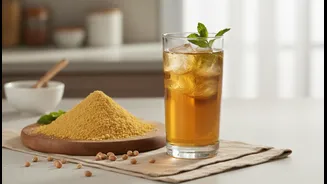
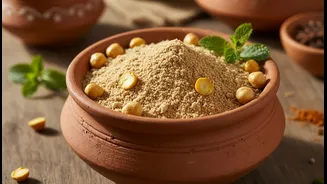
Sattu is a flour made from roasted Bengal gram (chana), a staple in states like Bihar, Uttar Pradesh, and Jharkhand for centuries. Often called the 'poor man's protein,' this powerhouse ingredient is anything but poor in nutrients. The process of dry-roasting
the chickpeas locks in their nutritional value, creating a flour that is rich in protein, fibre, iron, and magnesium. Unlike besan (gram flour), which is made from raw, un-roasted chickpeas, sattu has a distinct nutty, earthy aroma and is ready to eat. Historically, it was a reliable travel food for everyone from merchants to soldiers, valued for its long shelf life and the instant energy it provided without any cooking.
The Ultimate Summer Cooler
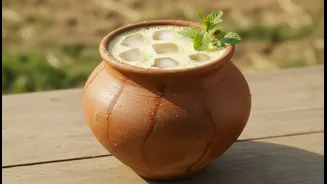
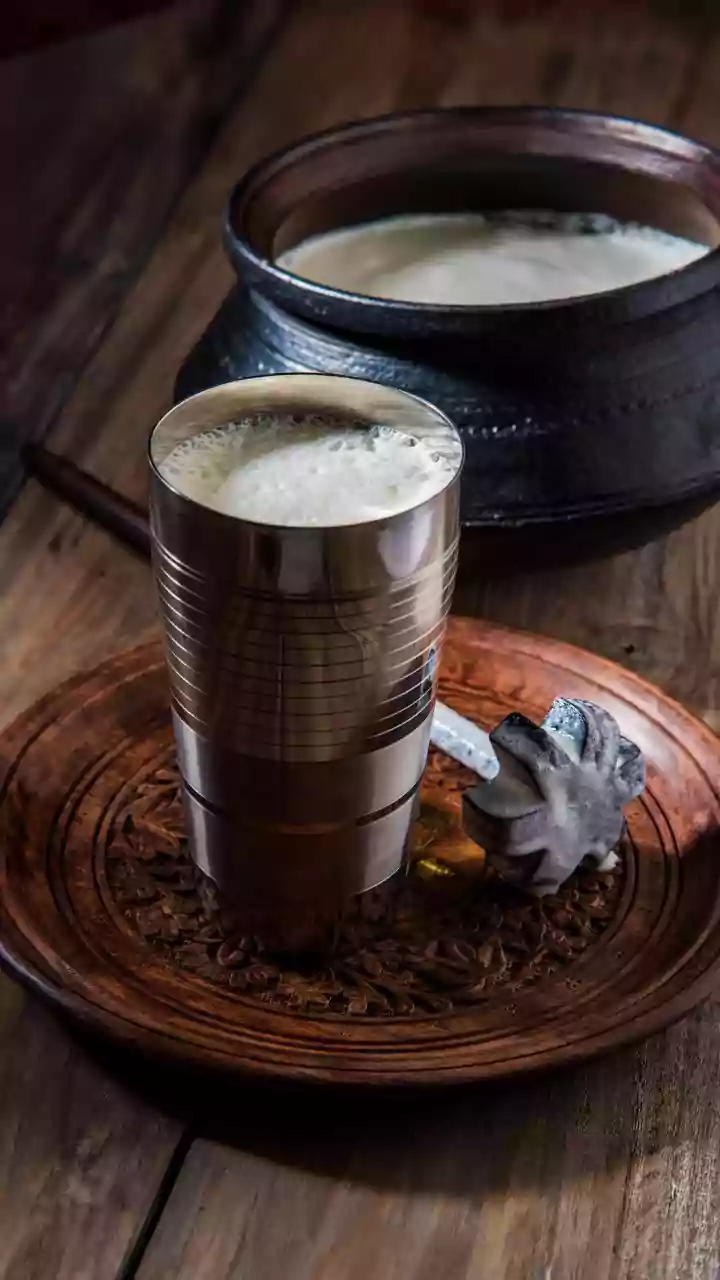
In the intense Indian summer, hydration is about more than just drinking water; it's about replenishing lost nutrients. Sattu excels here. It has natural cooling properties that help regulate body temperature and protect against heatstroke. A chilled glass of sattu sharbat not only quenches thirst but also restores electrolytes like potassium and magnesium lost through sweat. Rich in complex carbohydrates and high-quality plant protein, it provides sustained energy, preventing the sudden crashes associated with sugary energy drinks. This slow release of energy makes it a perfect drink for everyone, from labourers and farmers to modern-day gym enthusiasts looking for a natural post-workout recovery drink.
A Nutritional Powerhouse
The nutritional profile of sattu is impressive. A 100-gram serving packs around 20-25 grams of protein, making it an excellent source for vegetarians and vegans. It is also high in insoluble fibre, which is fantastic for digestive health. This fibre helps cleanse the gut, prevents constipation and bloating, and keeps you feeling full for longer, which can aid in weight management. Furthermore, sattu has a low glycaemic index, meaning it releases sugar into the bloodstream slowly. This makes it a great choice for individuals managing their blood sugar levels. It's also loaded with essential minerals like iron, which combats fatigue, and calcium and magnesium for bone health.
How to Make Your Own Sattu Sharbat
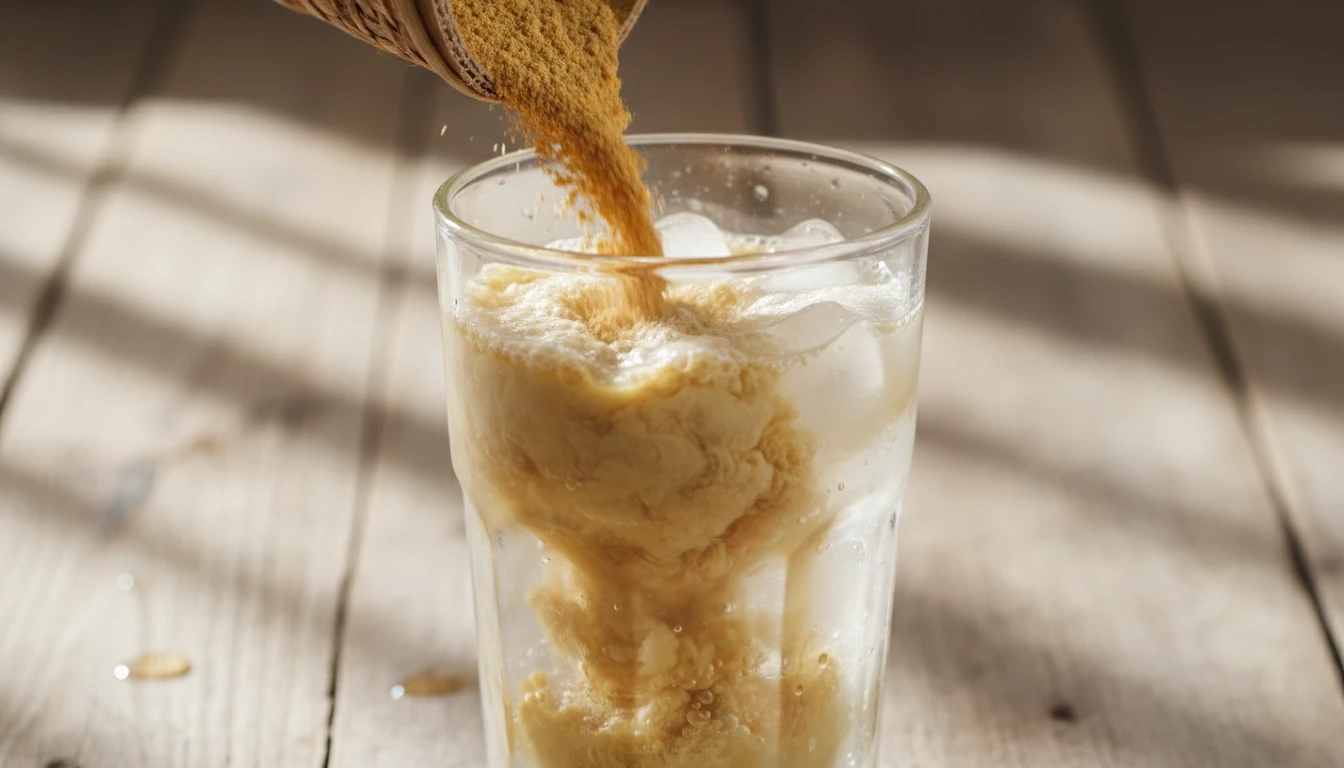
Making this refreshing drink at home is incredibly simple and takes just minutes. Sattu sharbat can be prepared in two classic ways: sweet (meetha) or savoury (namkeen). For the savoury version, mix a few tablespoons of sattu flour in a glass of chilled water until there are no lumps. Add black salt, roasted cumin powder, and a squeeze of lemon juice. For extra flavour and crunch, you can add finely chopped onions, mint leaves, and green chillies. For a sweet sharbat, simply mix sattu with chilled water and powdered jaggery or sugar to your taste. A pinch of black salt can balance the sweetness. Whisk well and serve immediately for a drink that is both delicious and deeply nourishing.
The Modern Comeback of an Ancient Staple
In an era where wellness trends often point towards expensive and imported superfoods, sattu's resurgence is a welcome return to roots. Its popularity is growing in urban centres as more people seek natural, sustainable, and affordable health solutions. From being a humble staple, sattu is now featured in modern diets in various forms, including protein shakes, parathas, porridge, and even energy bars. It stands as a testament to the timeless wisdom of traditional Indian food science, proving that sometimes the best solutions for modern health challenges have been in our kitchens all along.