





The Comfort of Steam
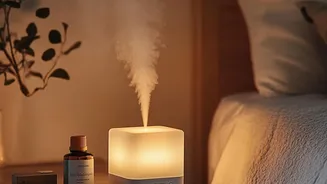
Inhaling warm, moist air is a practice passed down through generations for a reason. The sensation is immediately soothing. The warmth and moisture can help thin out and loosen mucus in the nasal passages, providing temporary relief from that blocked-up
feeling. This can make breathing feel easier and reduce the feeling of congestion, at least for a short while. The traditional method involves leaning over a bowl of hot water with a towel over your head to trap the steam. While it feels good, it's important to understand that this is a supportive measure for symptom relief; it doesn't cure the underlying cause of the congestion, such as a viral or bacterial infection.
What About Adding Herbs?
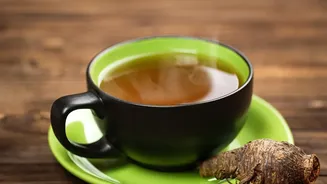
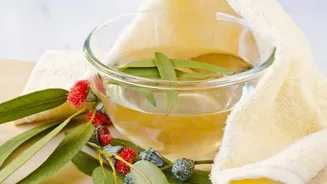
Adding herbs like eucalyptus, peppermint, or ajwain (carom seeds) to the steam is a common practice, rooted in traditions like Ayurveda. Proponents believe these herbs release essential oils with beneficial properties. For example, eucalyptus oil is thought to help clear airways and reduce inflammation. Ayurvedic principles suggest steam can balance the doshas responsible for congestion, with herbs amplifying the effect. While the aroma can be pleasant and contribute to the feeling of clear breathing, the scientific evidence supporting the added benefit of herbs over plain steam is limited. The primary therapeutic action still comes from the warm moisture itself.
What the Science Says
While steam inhalation is widely recommended as a home remedy, scientific studies on its effectiveness have produced mixed results. Some research suggests it offers little more than temporary relief and doesn't shorten the duration of an illness. A study from the University of Southampton found steam inhalation was not effective for relieving symptoms of chronic sinus congestion, though it did help reduce headaches. Other reviews have found the evidence to be equivocal. On the other hand, many practitioners acknowledge its role in making patients more comfortable while their body fights an infection. A safer alternative recommended by some experts is sitting in a steamy bathroom created by a hot shower, which avoids the direct risks of boiling water.
The Hidden Dangers of Steam
The most significant risk associated with traditional steam inhalation is not from the steam itself, but from the bowl of hot water. Accidental spills can cause severe scalds, particularly to the face, chest, and lap. Children are especially vulnerable to these preventable injuries. Medical associations like the British Burn Association have issued warnings due to the number of hospital admissions for burns sustained during steam inhalation. If you choose to use this method, it's crucial to do so on a stable surface, keep a safe distance from the water to avoid direct burns, and never leave children unattended.
Red Flags: When to See a Doctor
Home remedies can provide comfort for a common cold, but it's vital to know when your symptoms point to a more serious sinus infection (sinusitis) that requires medical attention. Most viral sinus infections resolve within 7-10 days, but you should see a doctor if you experience any of the following: - Symptoms that last for more than 10 days without improvement. - Symptoms that initially get better and then suddenly worsen. - A high fever (above 102°F) or a fever that lasts for more than 3-4 days. - Severe headache or facial pain that is not relieved by over-the-counter medication. - Thick nasal discharge that is yellow or green, accompanied by other worsening symptoms. - Vision changes, such as double vision, or pain, swelling, and redness around the eyes. - Confusion or a stiff neck. These can be signs of a bacterial infection or, in rare cases, a more serious complication that needs prompt evaluation.