


More Than Just a Hobby
The term 'plant parent' itself is telling. It reframes the relationship with houseplants from one of simple horticulture to one of nurturing, care, and emotional investment. Unlike traditional gardening, which often focuses on outdoor spaces and yields,
plant parenting is an indoor, intimate affair. It’s about tending to a living thing within your personal space, watching it grow, and deriving satisfaction from its progress. This shift has been amplified by social media, where hashtags like #plantmom, #plantdad, and #urbanjungle have billions of views. Platforms like Instagram and TikTok are filled with time-lapses of new leaves unfurling and tutorials on propagation, turning a quiet hobby into a shared, visible, and highly engaging online spectacle.
A Dose of Green Wellness
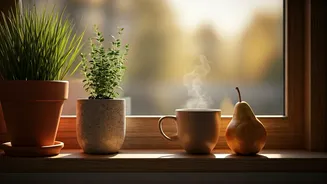
A significant driver of the plant parenting boom is the pursuit of mental well-being. In our fast-paced, digitally saturated lives, the simple, analogue act of caring for a plant offers a powerful antidote. The routine of watering, pruning, and checking for sunlight provides a moment of mindfulness, a tangible task that pulls us away from screens and into the present moment. Studies have shown that interacting with indoor plants can reduce stress, lower blood pressure, and boost mood. This connection to nature, known as biophilia, suggests that humans have an innate need to affiliate with other forms of life. For many, particularly young urbanites living in concrete jungles, a pot of soil and a few green leaves are the most accessible way to fulfil that need. The act of nurturing something and seeing it thrive provides a sense of purpose and accomplishment that is deeply rewarding.
The Rise of the 'Jungalow' Aesthetic
Let’s be honest: plants look good. The trend is as much about aesthetics as it is about wellness. Houseplants have become a key element of modern interior design, capable of transforming a sterile apartment into a vibrant, personalised sanctuary. The 'jungalow' look—a portmanteau of 'jungle' and 'bungalow'—has become aspirational, with homeowners and renters alike using plants to add colour, texture, and life to their spaces. Social media has created a visual marketplace for 'it' plants. The Fiddle Leaf Fig had its moment, followed by the graphic Monstera Deliciosa, the elegant Variegated String of Pearls, and the moody Raven ZZ. This creates a cycle of desire and discovery; seeing a beautiful plant on an influencer’s feed can send someone on a quest to find their own, turning plant ownership into a form of stylistic self-expression.
Finding Community in Cuttings
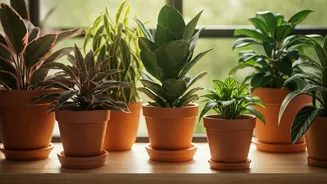
While caring for plants can be a solitary activity, the culture around it is deeply communal. Plant parenting has fostered a global community of enthusiasts who connect both online and offline. Digital forums, Facebook groups, and dedicated apps have become hubs for swapping advice on everything from pest control to optimal soil mixes. People share 'shelfies' (portraits of their plant shelves), celebrate 'new leaf day' with infectious enthusiasm, and mourn together when a beloved plant succumbs to root rot. This sense of community extends into the real world through plant swaps, workshops, and local nursery events. Trading cuttings with a neighbour or a stranger from an online group is a powerful act of connection, building social bonds rooted in a shared passion for growth.
A Response to Modern Urban Life
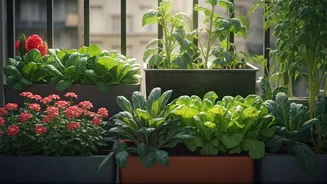
Ultimately, the plant parenting trend is a direct response to the conditions of modern life. As more people, especially millennials and Gen Z, live in smaller, rented urban apartments, the dream of a backyard with a garden becomes less attainable. Houseplants offer a scalable, affordable way to bring nature indoors. They are a project, but a manageable one. In a world of housing insecurity and job instability, caring for a plant provides a sense of control and stability. It's a low-stakes way to practice nurturing, which for many, is a stand-in for the pet or child they may not be ready for. In cities across India, where apartments are getting smaller and green spaces are shrinking, filling a balcony or a windowsill with pots is a reclamation of nature.