



The Pre-Pack Strategy Session
The secret to a perfectly packed bag begins before a single item goes in. First, check the weather forecast for your destination. This is non-negotiable and will dictate your entire wardrobe. Next, create a rough itinerary. Knowing whether you'll be hiking,
dining out, or attending business meetings will prevent you from packing for hypothetical scenarios that never happen. Based on this, make a master checklist on your phone or a notepad. Group items into categories: clothes, toiletries, electronics, and documents. This simple planning phase prevents last-minute panic and ensures you only bring what you truly need.
Embrace the Capsule Wardrobe
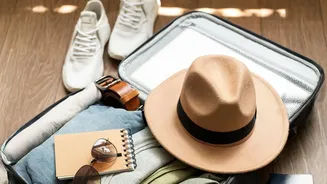
A capsule wardrobe is a small collection of items that can be easily mixed and matched. For a four-day trip, this is your golden ticket. Stick to a neutral color palette (think black, navy, beige, white) for your main pieces and add color with one or two tops or accessories. A good rule of thumb is the 5-4-3-2-1 method, which can be adapted: five sets of socks and underwear, four tops, three bottoms (like one pair of jeans, one pair of trousers or shorts, and one skirt or dress), two pairs of shoes (one for walking, one for evenings), and one jacket. This framework provides more than enough variety without the bulk. For example, two pairs of trousers and four tops can create eight different outfits.
Master the Art of Rolling
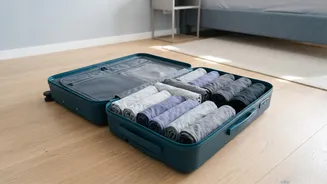
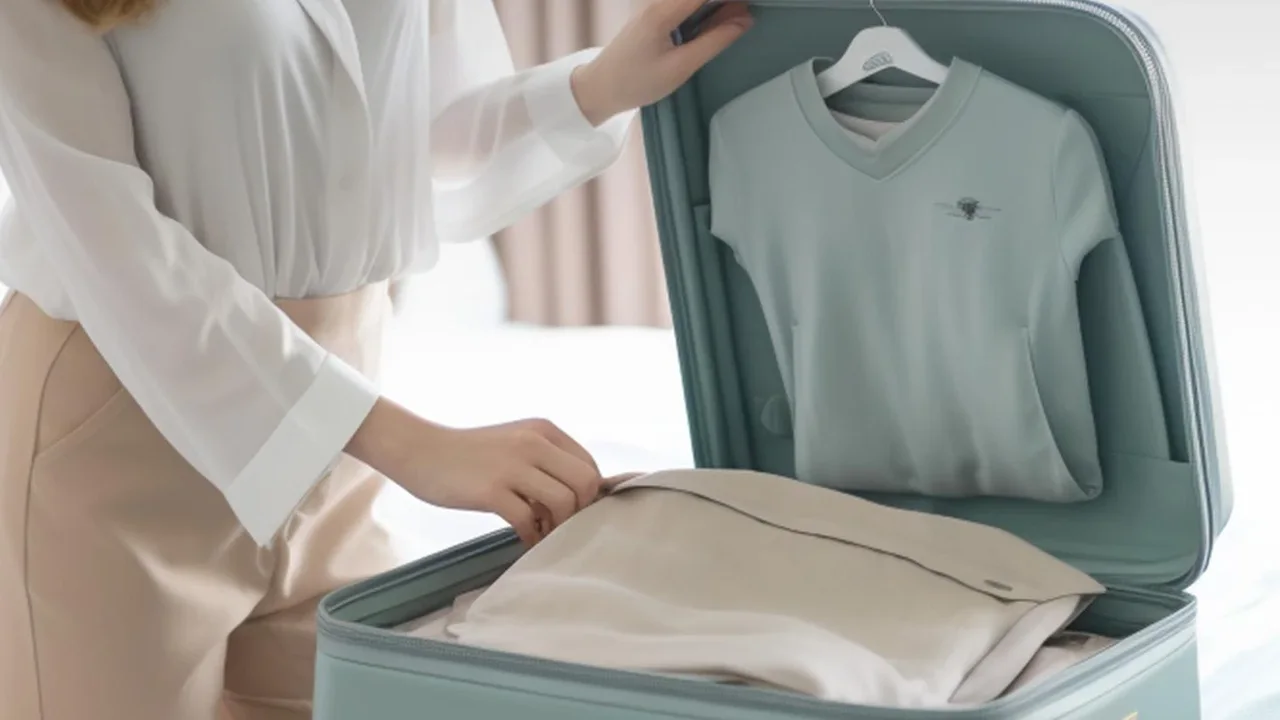
How you pack is as important as what you pack. The rolling method is superior for most casual clothing items like t-shirts, leggings, and sweaters. Lay the item flat, smooth out any wrinkles, fold in the sleeves or sides to create a neat rectangle, and then roll it as tightly as possible. This not only saves a significant amount of space compared to flat-folding but also helps minimize creasing. For more structured items like blazers or dress shirts, folding remains the best option. But for the bulk of your travel wardrobe, rolling is a game-changer.
Packing Cubes Are Your Best Friend
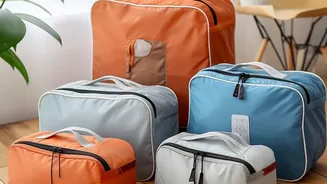
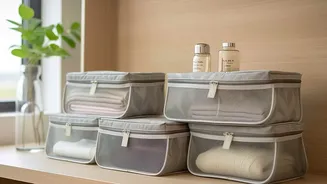
If you're not using packing cubes, you're missing out on a key organizational tool. These small, zippered bags help you compartmentalize your belongings and compress them to save space. Use one cube for tops, one for bottoms, and another for underwear and socks. This keeps your suitcase tidy and makes finding specific items effortless—no more digging through a mountain of clothes for a single pair of socks. Some packing cubes are designed specifically for compression, featuring an extra zipper that squeezes out excess air, which is perfect for bulkier items like sweaters.
Navigating the Liquids Minefield
Toiletries often cause the most trouble at airport security. Remember the TSA's 3-1-1 rule: all liquids, gels, creams, and aerosols in your carry-on must be in containers of 3.4 ounces (100 milliliters) or less. All of these containers must then fit into a single, clear, quart-sized resealable bag. To save space and hassle, consider solid toiletries. Shampoo bars, conditioner bars, solid perfume, and toothpaste tablets are all excellent travel-friendly alternatives that don't count toward your liquid allowance. Don't forget essentials like deodorant, a toothbrush, sunscreen, and any personal medications. For prescriptions, it is wise to keep them in their original labeled containers.
Don't Forget Electronics and Comforts
Finally, gather your electronics and other must-haves. This includes your phone and charger, a portable power bank for long days out, and headphones. A universal travel adapter is essential for international trips. To keep everything organized, use a small pouch for all your cables and chargers. Pack a reusable water bottle (empty it before going through security) to stay hydrated and a good book or downloaded podcasts for downtime. It's also smart to pack a few basic first-aid items like pain relievers and blister plasters.