

Plan Your Menu Realistically
A traditional Sadhya can feature anywhere from 24 to 64 dishes, a daunting task for a home cook. Instead of aiming for an overwhelming number, focus on a balanced selection that covers the six essential tastes (sweet, sour, salty, bitter, pungent, and
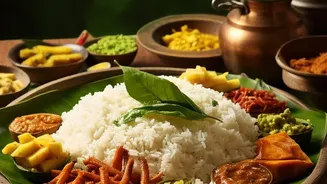
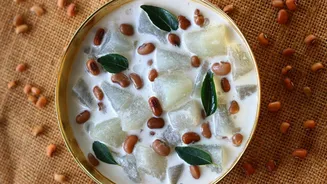
astringent). For a smaller family gathering, a 'Mini Sadhya' with 10-12 core dishes can be just as festive and satisfying. List essential items like rice, parippu curry, sambar, avial, a thoran, a pachadi, pickles, pappadam, and a payasam. Planning the menu based on your number of guests is the first and most crucial step in preventing waste.
Shop Smart and Local
Once your menu is set, create a detailed shopping list. Before heading out, check your pantry for staples you already have. When buying vegetables, purchase them in the exact quantities needed. Opting for fresh, local, and seasonal produce not only ensures better flavour but also supports local farmers and reduces the carbon footprint associated with long-distance transportation. Avoid the temptation of market deals that encourage buying in bulk unless you are certain you will use everything.
Cook with a 'Root-to-Stem' Philosophy
Indian cooking is inherently resourceful, and a Sadhya is the perfect time to practice this. Many vegetable peels and stems that are often discarded can be used. For instance, the peels of certain gourds or the stems of leafy greens can be turned into a delicious thoran (a dry vegetable stir-fry with coconut). You can also pre-prepare certain components in advance. Pickles like inji puli can be made days ahead. Chopping vegetables or grinding coconut paste a day before can also streamline the cooking process, reducing last-minute stress and potential mistakes that lead to waste.
Embrace Traditional Serving Etiquette
The traditional way of serving a Sadhya on a banana leaf is a masterclass in portion control. The etiquette involves serving very small quantities of each side dish and pickle on the upper half of the leaf. Rice is served on the lower half, and curries like sambar and parippu are poured over it in courses. This method encourages guests to taste everything without being overwhelmed. As a host, instead of piling food onto the leaf, serve small portions and offer seconds. This respects your guests' appetites and significantly cuts down on plate waste.
Get Creative with Leftovers
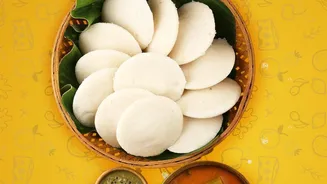
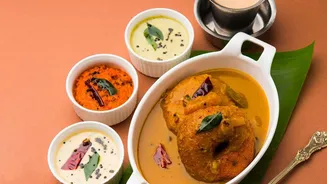
Despite the best planning, leftovers can happen. Instead of letting them languish in the fridge, think of them as ingredients for the next day's meals. Leftover sambar or avial can be mixed with rice for a quick and flavourful meal. Some people enjoy mixing leftover avial and sambar, lightly cooking it, and serving it with dosa or idli. Leftover rice can be used to make curd rice or a variety of fried rice. The payasam, if any remains, is often enjoyed cold straight from the refrigerator. By reimagining leftovers, you ensure that the effort and resources that went into cooking the feast are fully honoured.