

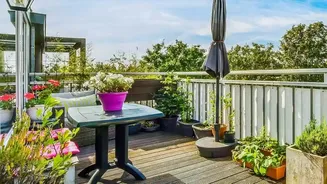
The Urban Gardener’s Rainwater Problem
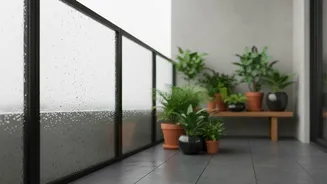
While rain is essential for plant life, the concentrated impact on a balcony is different from a ground-level garden. In a container, there's nowhere for excess water to go. Heavy or continuous rain can quickly lead to waterlogged soil, which suffocates
plant roots by cutting off their oxygen supply. This creates the perfect environment for root rot, a fungal disease that can quickly kill a plant. Beyond root damage, intense downpours can physically batter delicate leaves and flowers, wash away essential nutrients from the soil, and lead to fungal issues on the leaves due to high humidity. For Indian city dwellers, where monsoon season brings prolonged periods of heavy rain, these challenges are an annual reality.
Introducing Modular Waterproof Shields
The term “modular waterproof shields” refers to a category of adaptable rain covers designed for small, exposed spaces like balconies. Unlike a permanent roof, these solutions are typically temporary and flexible. The 'modular' aspect means they can be adjusted, combined, or configured to fit the specific dimensions of your balcony and protect the plants most at risk. These shields can range from commercial products like retractable awnings and fixed polycarbonate canopies to clever DIY setups. The core idea is to create a barrier that deflects the direct impact of heavy rain while still allowing for light and air circulation.
How Shields and Covers Work
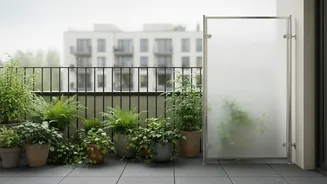
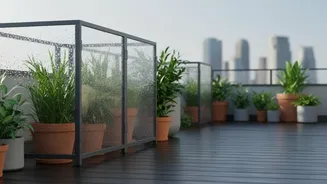
The primary function of a rain shield is to intercept and redirect water. This can be achieved in several ways. Retractable awnings, made from waterproof fabric, can be extended over the garden during a storm and retracted afterwards. Clear polycarbonate or acrylic sheets can be mounted on simple frames attached to the balcony railing, creating a mini-roof that doesn’t block sunlight. For a more enclosed solution, transparent PVC or vinyl curtains can be hung from a cable or track system to shield plants from wind-driven rain. Even a simple, well-secured tarpaulin can serve as an effective, if less elegant, temporary cover. The key is ensuring the cover is sturdy enough to withstand wind and angled to guide water away from the plants, not trap it.
Finding the Right Material
Your choice of material depends on budget, aesthetics, and how much protection you need. Polycarbonate panels are durable, lightweight, and offer excellent light transmission, making them a popular choice for fixed covers. Waterproof shade sails or heavy-duty outdoor fabrics offer a more flexible, less permanent option. For DIY enthusiasts, materials like PVC pipes can be used to construct a simple frame, which can then be covered with clear plastic sheeting or a sturdy fabric like burlap. When choosing a material, consider its UV resistance and durability to ensure it lasts more than one season.
Essential Rain Protection Beyond Shields
While shields are highly effective, they work best as part of a broader rain protection strategy. First and foremost, ensure every pot has adequate drainage holes. Elevating your pots using bricks, stones, or 'pot feet' dramatically improves drainage by preventing holes from getting blocked and allowing air to circulate underneath. During very rainy periods, it’s wise to remove any saucers that sit under pots, as they tend to collect and hold excess water. If you can, temporarily moving smaller, more delicate plants to a more sheltered spot against a wall or under an eave can save them from the worst of a storm.
Choosing the Right Plants
Some plants are naturally better equipped to handle wet conditions than others. If your balcony is frequently exposed to rain, consider cultivating species known for their resilience. Plants with strong stems and flexible leaves, such as ferns, lemongrass, and kale, can withstand the physical impact of rain. Herbs like mint and rosemary are also surprisingly tolerant of wet conditions, provided their pots have excellent drainage. Choosing the right plants from the start can reduce the amount of intervention needed later, allowing you to create a more sustainable and weather-resistant balcony garden.