






Embrace the Rain, But Plan for It
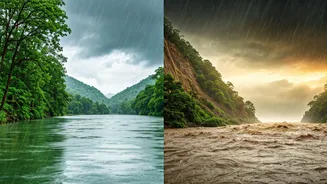
Monsoon travel isn't an obstacle; it's an experience. [7] The crowds thin out, landscapes turn a vibrant green, and waterfalls roar back to life. [7] However, enjoying this magic requires a different approach than a sunny winter holiday. The key is to work
with the weather, not against it. This means choosing the right locations, building flexibility into your schedule, and packing for comfort in damp conditions. A well-thought-out plan ensures you spend more time sipping chai while watching the downpour and less time stuck because of a cancelled train or a waterlogged road. [13, 14]
Choose Your Destination Wisely
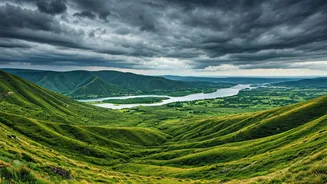
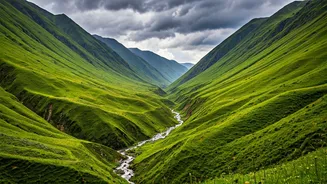
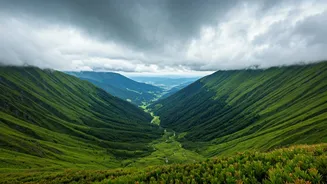
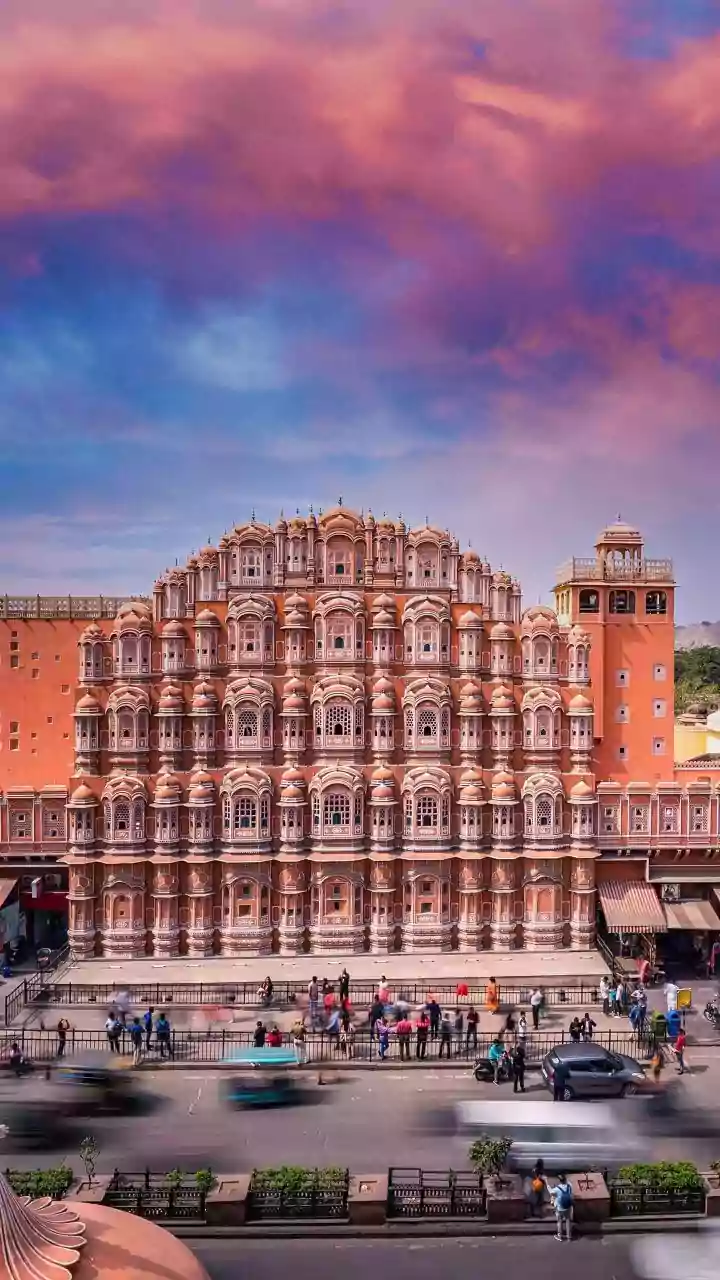
Not all destinations are created equal in the monsoon. While some areas are prone to severe flooding or landslides, others truly come alive. For lush greenery and misty hills, consider Coorg in Karnataka, where coffee estates are shrouded in fog, or Munnar in Kerala, with its surreal, cloud-kissed tea gardens. [3, 7] Waterfalls like Abbey Falls in Coorg and Attukad in Munnar are at their most powerful during this time. [3, 8] If you prefer less rain, destinations in a rain shadow like Spiti Valley in Himachal Pradesh or Ladakh offer dry, clear weather while the rest of the country is soaking. [4] For a romantic getaway, Udaipur's lakes fill up, reflecting the grand palaces against overcast skies. [8, 20]
The Art of the Flexible Itinerary
The single most important rule of monsoon travel is to remain flexible. [17] Delays are common, whether it's flights being rerouted due to poor visibility or trains running slow on flooded tracks. [13, 22] Build buffer days into your itinerary. Instead of packing your schedule, plan one main activity per day and have a few indoor backup options. When booking hotels and transport, opt for flexible or fully refundable rates, even if they cost slightly more; it can save you from losing money if plans change unexpectedly. [13] Use airline apps to stay updated on your flight status in real-time. [22]
Road Trips vs. Other Transport
Monsoon road trips offer stunning views of green valleys and dramatic clouds, with routes like Pune to Tamhini Ghat or Chikmagalur to Munnar being particularly scenic. [11] However, safety is paramount. Always check weather forecasts and road conditions before you start. [15, 19] Drive slowly, maintain a safe distance from other vehicles, and avoid driving at night when visibility is poor. [12, 19] Ensure your vehicle's wipers, tyres, and brakes are in top condition. [15, 18] If you're travelling in hilly areas prone to landslides, such as parts of the Himalayas or the Western Ghats, be prepared to alter your route or wait out heavy spells. [11] Sometimes, a scenic train journey can be a more relaxing and safer alternative, allowing you to enjoy the views without the stress of navigating wet and unpredictable roads.
Pack Smarter, Not Harder
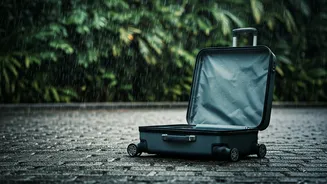
Your packing list can make or break a monsoon trip. Prioritise function over fashion. [13] Essential items include a lightweight, waterproof rain jacket and a sturdy umbrella. [5] Opt for quick-drying synthetic clothing over cotton, which takes a long time to dry in humid weather. [2, 17] For footwear, waterproof sandals with good grip or anti-skid trekking shoes are far better choices than sneakers or leather shoes. [2] Protect your valuables with a waterproof backpack cover and use ziplock bags or dry bags for electronics like your phone and camera. [5, 16] Also, pack a basic medical kit with essentials like antifungal powder, insect repellent, and any personal medications, as humidity can aggravate skin issues and mosquito activity increases. [9]