




From Skinny to Strong
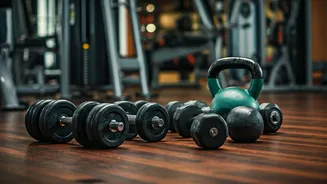
For decades, the Indian fitness mantra was simple: lose weight. This narrative, focused on subtraction, drove a culture of endless cardio and restrictive diets. However, a new philosophy is taking hold, one centered on addition—adding muscle, strength,
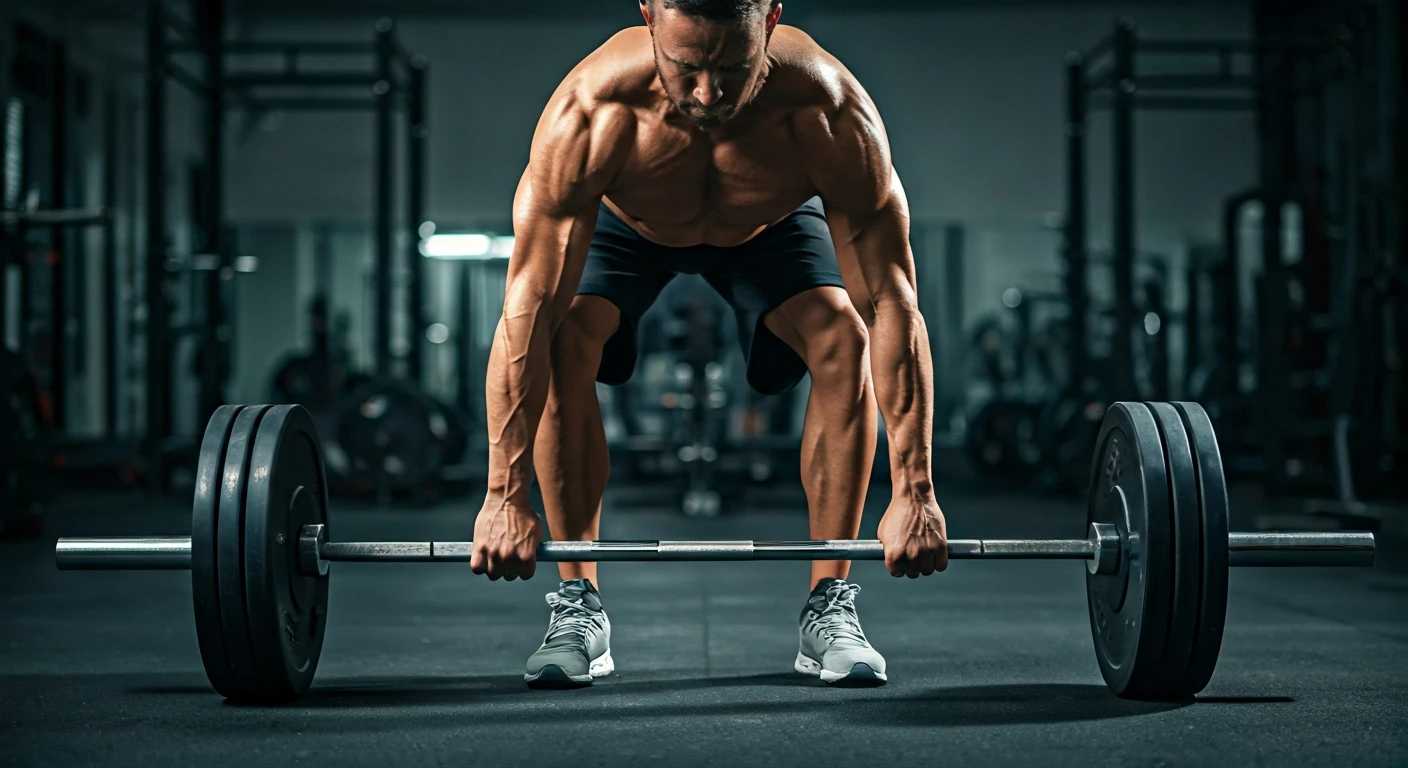
and energy. This isn't just about aesthetics; it's a fundamental change in what it means to be fit. The goal has shifted from being thin to being strong and functional, capable of navigating daily life with more power and resilience. This evolution is particularly visible among women, who are increasingly embracing weightlifting to build strength and confidence, shattering old stereotypes.
The 'Fitfluencer' Effect
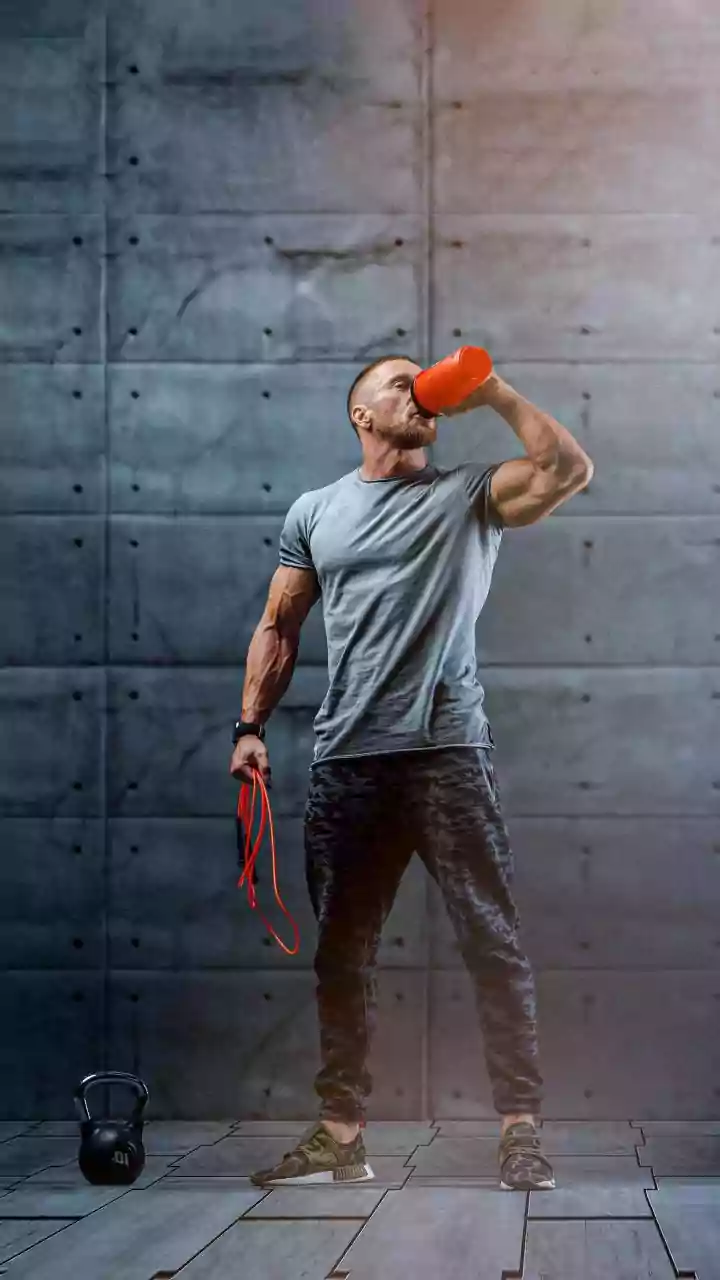
Social media has been a powerful catalyst in this transformation. Platforms like Instagram and YouTube have democratized fitness, making it more accessible and relatable. Indian 'fitfluencers' now reach millions, sharing workout routines, nutrition advice, and their own fitness journeys. They've made strength training seem less intimidating, showcasing that you don't need to be a professional bodybuilder to lift weights. This digital wave, amplified by the success of athletes like Mirabai Chanu and Neeraj Chopra, has inspired a new generation to see strength as a key component of health. However, this trend has a downside, with some critics pointing to the spread of misinformation and unrealistic body standards driven by social media pressure.
The Science of Strength
There's growing public awareness about the scientific benefits of strength training, which go far beyond building big muscles. It’s now understood as one of the best ways to improve overall health and longevity. Experts highlight its role in increasing metabolic rate, improving bone density, and preventing injuries. For women, lifting weights is particularly beneficial for offsetting bone degeneration and conditions like osteoporosis, to which they are more prone. Functional fitness—training movements that mimic everyday activities like squatting and lifting—has also become a major trend, emphasizing real-world strength over gym-specific goals.
A Booming Wellness Economy
The cultural shift is backed by a rapidly growing wellness economy. India's fitness market is projected to grow significantly, driven by younger consumers, rising disposable incomes, and increased health consciousness, especially post-pandemic. This boom has led to an explosion of modern gyms, fitness-tech startups, and boutique studios specializing in everything from CrossFit to Pilates. A gym membership is becoming a lifestyle statement for many urban professionals, signifying a commitment to self-improvement. This expanding infrastructure has made quality training and equipment more accessible than ever, removing old barriers and enabling more people to explore the benefits of lifting.
Creating New Communities
The rise of weightlifting has also fostered new communities. In the past, the weights section of a gym was often seen as a male-dominated space. Now, that's changing. Women-only lifting groups and communities are emerging, creating supportive environments where members feel they belong. These groups are not just about working out; they are about building confidence, sharing knowledge, and celebrating every small win together. This sense of community and shared purpose is a powerful motivator, encouraging more people to step into the weights area and discover their own strength, both inside and outside the gym.