




More Than Just a Space Balloon
The idea of an inflatable habitat might sound precarious, but these are far from simple balloons. They are sophisticated structures built from multiple layers of high-tech, flexible materials. Fabrics like Vectran, a liquid-crystal polymer yarn, form
a core bladder and restraint layer that is, pound for pound, five times stronger than steel and ten times stronger than aluminum. This soft-goods structure is surrounded by additional layers designed to provide protection from the harsh environment of space, including micrometeoroids, orbital debris, and intense radiation. The concept has been around for decades, with NASA exploring designs as early as the 1960s, but modern materials and a push toward a commercial space economy have brought the technology to the forefront.
The Launch Advantage: Pack Small, Live Large
The single greatest advantage of an inflatable habitat is its efficiency. Traditional space station modules are rigid, meaning their size is strictly limited by the dimensions of the rocket fairing they launch in. Inflatable habitats solve this problem by launching in a compressed, compact form. Once in orbit, the module is deployed and inflated, expanding to a volume many times larger than a rigid module of the same launch mass. This volume-to-mass ratio is a game-changer. For example, Sierra Space's LIFE habitat is designed to launch on a single rocket and then expand to a three-story structure in orbit. This dramatically reduces launch costs and complexity, which have historically been major barriers to building large-scale orbital infrastructure.
A New Laboratory for a New Era
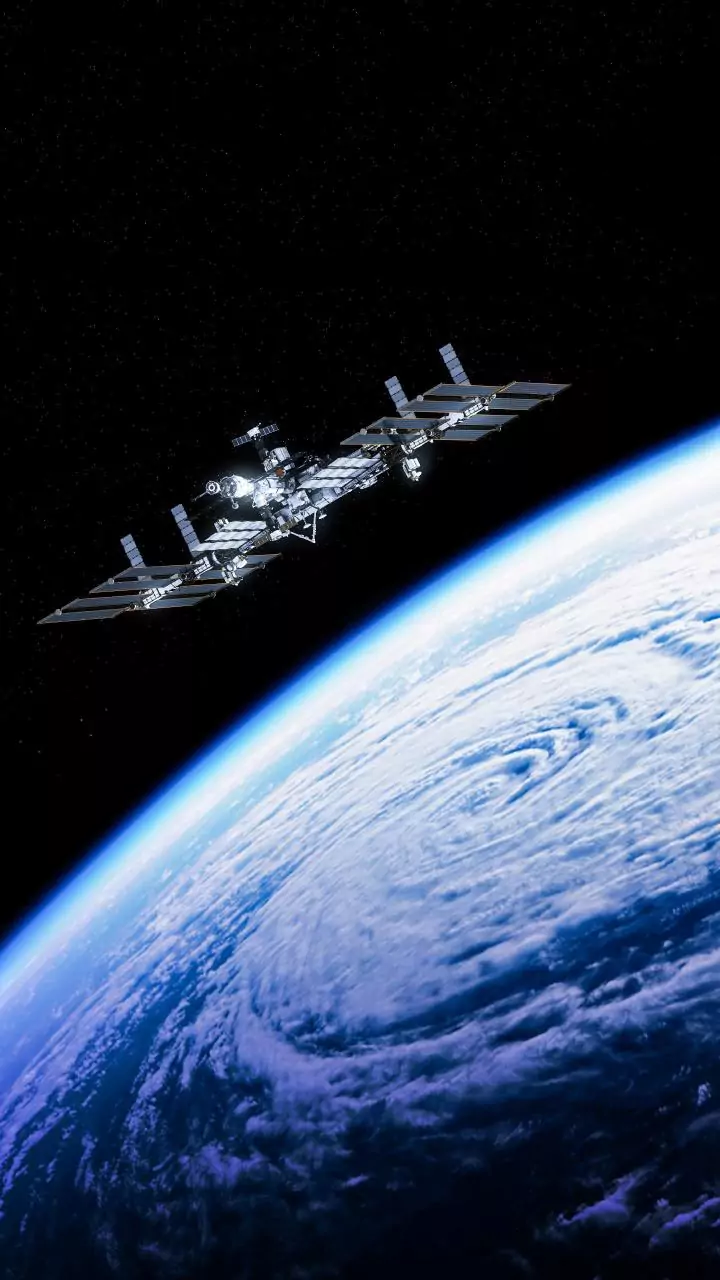
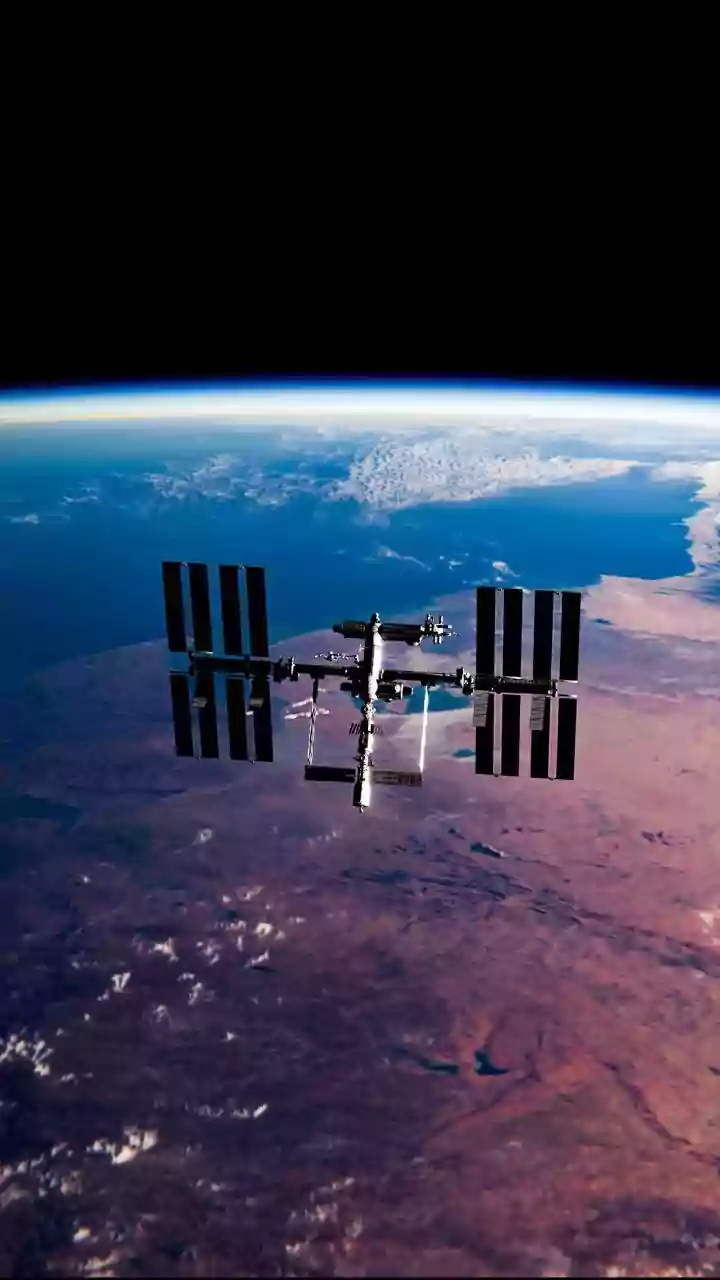
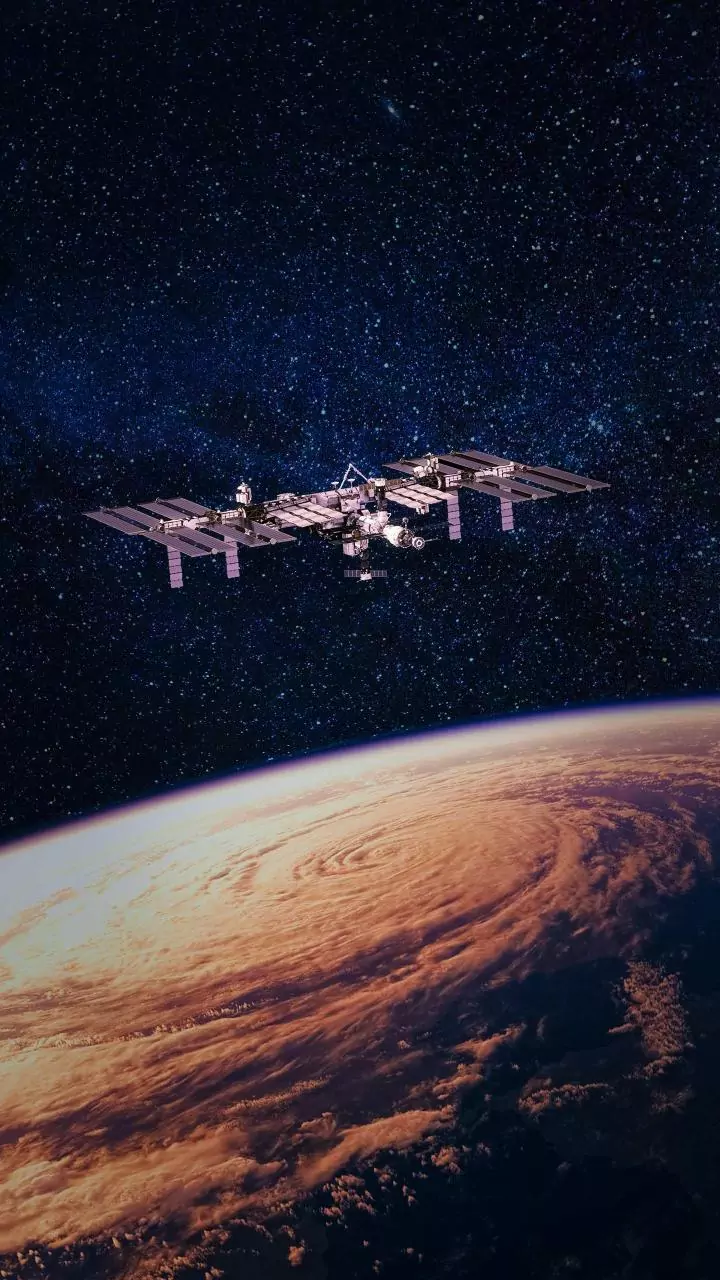
The immense interior volume of inflatable habitats opens up new frontiers for scientific research in microgravity. The cramped quarters of the International Space Station (ISS) limit the scale and type of experiments that can be conducted. The large, open, and often reconfigurable architecture of an inflatable module provides a more flexible laboratory environment. This space is critical for advanced manufacturing, bioprinting, and pharmaceutical development, where larger and more complex equipment is needed. It also allows for more ambitious agricultural experiments to grow food, which is essential for long-duration missions to the Moon and Mars. The quieter, more spacious environment also improves living conditions for astronauts, which is a key factor for mental and physical health on extended missions.
From Testbed to Commercial Hub
This technology isn't just theoretical; it's already been proven in orbit. The Bigelow Expandable Activity Module (BEAM) was attached to the ISS in 2016 for a two-year technology demonstration. It performed so well that its mission was extended, and it remains attached to the station today, serving as a valuable storage space. Now, commercial companies are taking the lead. Sierra Space and Lockheed Martin are developing large-scale inflatable habitats for planned commercial space stations like Orbital Reef. These stations are intended to be successors to the ISS, serving as hubs for research, manufacturing, and even tourism in low-Earth orbit. This transition marks a critical step in creating a self-sustaining economy in space, with NASA planning to be just one of many customers.