




Why Your Skin Needs Daily Protection in India
Living in a tropical country like India means our skin is exposed to intense sunlight for most of the year. Many regions experience high UV index levels even during winter or on cloudy days. While the melanin in Indian skin offers some natural defense,
it's not enough to prevent long-term damage. This constant exposure makes our skin particularly prone to hyperpigmentation, tanning, and dark spots. But the threat isn't just about getting a tan. The sun emits two main types of harmful ultraviolet (UV) rays: UVA and UVB. UVA rays penetrate deep into the skin, breaking down collagen and leading to premature aging like wrinkles and fine lines. UVB rays are the primary cause of sunburn on the skin's surface. A broad-spectrum sunscreen is crucial because it protects against both, shielding you from accelerated aging and pigmentation.
The Rise of the Lightweight Formula
One of the biggest reasons people in India skip sunscreen is the uncomfortable feeling of traditional creams. In hot and humid weather, heavy formulas can feel sticky, cause excessive sweating, and clog pores, leading to breakouts. This is where lightweight sunscreens have revolutionised daily skincare. These modern formulations are designed to be breathable and non-greasy, absorbing quickly without leaving a heavy film on the skin. They come in various textures like gels, serums, and fluids that feel comfortable enough for daily wear, even in the most humid cities. This improved comfort makes it far easier to be consistent with application, which is the key to effective sun protection. A good lightweight sunscreen also works beautifully as a primer, creating a smooth base for makeup without causing pilling or patchiness.
Decoding the Labels: What to Look For
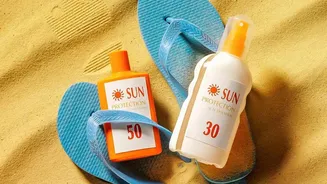
Choosing the right sunscreen can feel overwhelming, but a few key terms will help you find your perfect match. First, always look for "Broad-Spectrum" protection to ensure you're covered against both UVA and UVB rays. For daily use in India, dermatologists often recommend an SPF of 30 or higher; SPF 50 is ideal for days with prolonged outdoor exposure. Another crucial term is "non-comedogenic," which means the product is formulated to not clog pores, a must for those with oily or acne-prone skin. The biggest cosmetic concern for Indian skin tones is the dreaded "white cast." This chalky residue is common with mineral sunscreens containing zinc oxide or titanium dioxide. To avoid this, look for formulas with micronized (finely milled) minerals, tinted mineral sunscreens, or chemical sunscreens that blend invisibly into the skin.
Choosing the Right Sunscreen for Your Skin Type
The best sunscreen is the one you'll happily wear every day, and that often comes down to matching the formula to your skin type. For oily and acne-prone skin, a lightweight gel or water-based fluid with a matte finish is ideal. These will help control shine without adding extra grease. If you have dry skin, look for a lotion or cream-based sunscreen with hydrating ingredients like hyaluronic acid to provide moisture while it protects. For those with normal or combination skin, you have the flexibility to choose from lotions or light fluids. Sensitive skin types often do best with mineral sunscreens (using zinc oxide and titanium dioxide), as they are generally less irritating. In this case, seeking out a micronized or tinted formula is key to getting protection without the white cast.
Application is Everything: How to Do It Right
Even the best sunscreen won't work if it's not applied correctly. The generally accepted guideline is to use the "two-finger rule": squeeze a line of sunscreen onto your index and middle fingers, and that amount should be enough for your face and neck. Apply it as the last step of your skincare routine, after your moisturizer but before any makeup. Allow it to set for about 15 minutes before heading outdoors or applying foundation. One of the most common mistakes is forgetting to reapply. No sunscreen provides all-day protection. You should reapply every two to three hours, especially if you've been swimming or sweating heavily. Consistent and generous application is what truly safeguards your skin from the daily impact of the sun.