







Cardiovascular Health and Calorie Burn
Both dancing and swimming are excellent for cardiovascular fitness, as they elevate your heart rate, improve circulation, and build endurance. When it comes to burning calories, however, intensity and style make all the difference. High-energy dance forms
like street dance, salsa, or even vigorous Zumba can be surprisingly effective. Some studies have found that certain dance styles can burn more calories than swimming in the same amount of time because of the constant acceleration and deceleration, which demands more energy. A person might burn between 500-800 calories in an intense hour-long dance class. Swimming, a full-body workout, typically burns between 400 and 600 calories per hour at a vigorous pace. The key takeaway is that both can be powerful calorie-burners, but high-intensity, stop-and-start dance styles may have a slight edge.
Impact on Joints and Injury Risk
This is where swimming truly shines. The buoyancy of water creates a nearly zero-impact environment, making it the ideal workout for individuals with arthritis, joint pain, recovering from injury, or those who are pregnant. It allows you to get a fantastic cardio and strength workout without putting stress on your knees, hips, and spine. Dancing, on the other hand, can be a mixed bag. Many forms are lower-impact than running, focusing on fluid, lateral movements. However, styles that involve a lot of jumping, like certain types of ballet or high-energy hip-hop, are considered high-impact. If joint protection is your top priority, swimming is the undisputed winner. If you have healthy joints, most forms of dance are a safe and effective option.
Muscle Engagement and Toning
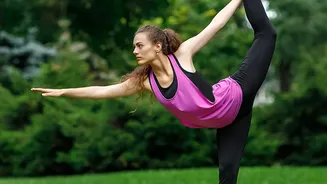
Swimming is renowned as a total-body workout. Different strokes target different muscle groups, but in general, a good swim session will engage your arms, shoulders, back, core, and legs. The water provides constant resistance, which helps to build lean muscle strength and endurance across your entire body. Dancing also provides a full-body workout, but the focus can vary dramatically by style. Ballet, for instance, is exceptional for building powerful leg muscles, core strength, and improving balance. Hip-hop and street dance often emphasize core and leg agility, while ballroom dancing requires core stability and posture. Dancing's multi-directional movements also engage smaller stabilizer muscles that are often missed in more linear exercises like running or cycling.
The Fun Factor and Mental Health
Your personality plays a huge role in which exercise you'll stick with. Dancing is often a social activity. Whether in a class or out with friends, it leverages the power of music and community to boost your mood. Research shows that group exercise can significantly reduce stress and improve emotional well-being, partly due to the sense of connection and shared effort. The combination of music, learning new steps, and social interaction makes dancing a powerful mood-lifter and can feel more like play than a chore. Swimming is typically a more solitary and meditative activity. The rhythmic nature of strokes and breathing can create a calming, mindful state that helps clear your head. For those who crave quiet time to destress and disconnect, the peaceful environment of the pool can be a major benefit.
Accessibility and Cost
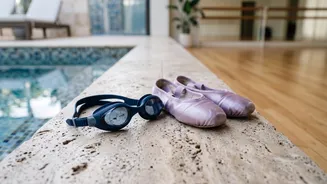
Both activities are relatively accessible, but with different considerations. To start dancing, you often need very little; you can even follow along with free videos online in your living room. Formal classes, of course, come with a fee, but there are many affordable community options. Swimming requires access to a pool, which can mean a gym membership or entry fees to a public facility. This might be less convenient depending on where you live. For equipment, dancing might require specific shoes depending on the style, while swimming needs a swimsuit and, ideally, goggles. In terms of initial barrier to entry, dancing at home is arguably the cheapest and easiest way to start moving.