


A Return to Ancient Grains
The shift towards millets in modern baking is about more than just a health trend; it's a rediscovery of local, sustainable ingredients that offer unique flavours and textures. Chefs are embracing these grains, once staples in Indian households, for their
versatility and robust nutritional profiles. Unlike refined wheat flour, millets like ragi and jowar are naturally gluten-free and packed with fibre, protein, and essential minerals like calcium, iron, and magnesium. This move allows for the creation of desserts that are not only easier on the digestive system but also contribute positively to overall wellness by helping to manage blood sugar levels and improve heart health.
The Magic of Ragi (Finger Millet)
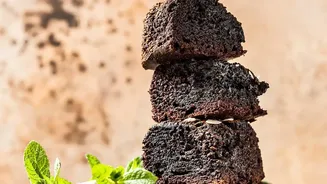
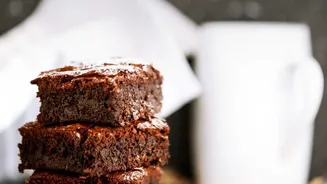
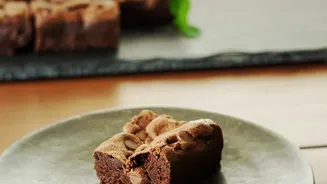
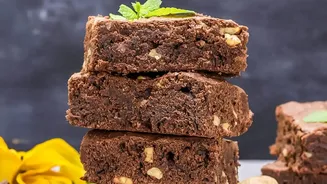
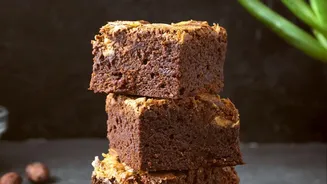
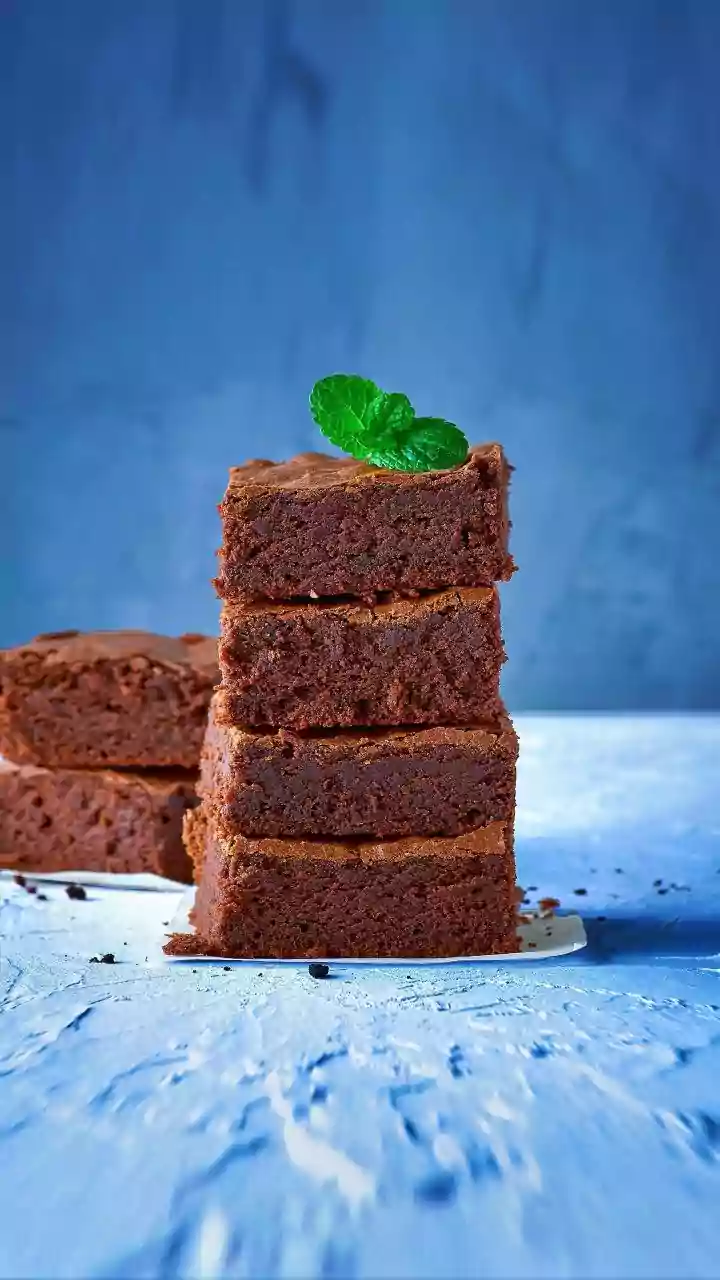
Finger millet, or ragi, is the secret weapon for an intensely fudgy and flavourful brownie. Its flour has a naturally dense quality and a deep, earthy flavour that beautifully complements dark chocolate. When used in brownies, ragi creates a moist, decadent texture that many bakers find superior to that of traditional flour. It’s not just a substitute; it’s an upgrade that adds complexity. Ragi's slightly nutty notes enhance the cocoa, resulting in a brownie that feels both indulgent and nourishing. Because it is so rich in calcium and iron, a ragi brownie offers a nutritional boost you wouldn't expect from a typical dessert.
The Supporting Role of Jowar (Sorghum)
Where ragi provides depth and fudginess, sorghum (jowar) offers structure and a milder taste. Jowar flour has a softer texture and a subtly sweet, neutral flavour, which ensures the chocolate remains the star of the show. Pastry chefs often use jowar in combination with other flours to achieve the perfect crumb. It helps lighten the density that ragi can sometimes create, resulting in a brownie that is still moist but has a slightly more delicate structure. Being rich in antioxidants and fibre, jowar also adds to the health credentials of the final product, contributing to better digestion and heart health.
Techniques for Perfect Millet Brownies
Simply swapping wheat flour for millet flour one-for-one is not the path to success. Chefs have developed specific techniques to handle these unique grains. A common practice is to create a flour blend, often combining ragi for flavour and jowar for structure, sometimes with a bit of almond or oat flour for added moisture and protein. Millet flours are thirsty and absorb more liquid, so recipes often require adjustments to the amount of butter, oil, or milk to prevent a dry outcome. To balance the earthy notes of the millets, chefs might incorporate strong coffee or use high-quality, high-percentage dark chocolate, which deepens the overall flavour profile and ensures a rich, satisfying treat. Sweeteners are also chosen carefully, with many chefs opting for unrefined jaggery or dates to complement the wholesome nature of the grains.
A New Kind of Indulgence
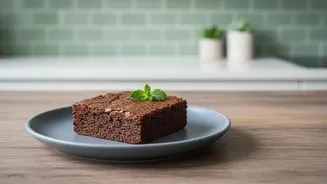
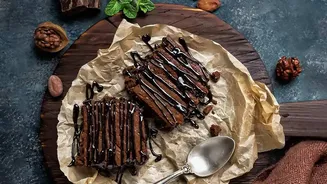
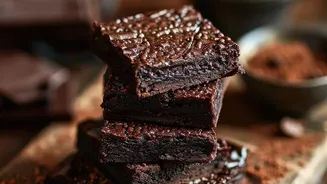
The result of this careful innovation is a brownie that redefines indulgence. It’s not just a “healthy alternative” but a dessert that stands on its own with a distinct and delicious character. The texture is often described as wonderfully dense and fudgy, and the flavour is more complex and interesting than a standard brownie. Consumers are increasingly seeking desserts made with fibre-rich, plant-based ingredients, and millet-based creations perfectly fit this demand. This trend shows that with the right technique, traditional ingredients can elevate modern classics, offering a treat that satisfies a sweet tooth without compromising on nutrition.