

Handle Leafy Greens with Extra Care
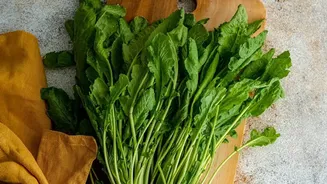
Leafy vegetables like spinach, cabbage, and coriander grow close to damp soil, making them susceptible to contamination from dirt and microbes during the monsoon. The intricate folds of these greens can harbour bacteria and even small insects. Instead
of avoiding them completely, adopt a more rigorous cleaning process. Separate the leaves and soak them in a bowl of saltwater or a vinegar-water solution for 15-20 minutes before rinsing them thoroughly under clean, running water. It is safest to cook these vegetables well rather than consuming them raw in salads.
Rethink Your Street Food Cravings
The temptation for hot pakoras or tangy pani puri is strongest when it rains, but so is the risk. Street food vendors often use water that may be contaminated, especially during monsoon when water quality can drop. The high humidity also causes bacteria to multiply faster on ingredients left in the open. Foods like chaat, pre-cut fruit, and juices from roadside stalls are common causes of stomach infections like diarrhoea and typhoid during this season. If a craving strikes, the safest option is to prepare your favourite snacks at home using filtered water and fresh ingredients.
Master a new food storage protocol
Humidity is the enemy of freshness. Dry goods like flour (atta), spices, biscuits, and chips can quickly clump together or turn stale. The key is to use airtight containers for everything. Transfer items from their original packaging into clean, dry jars immediately. To prevent the growth of mould and bacteria, keep your pantry and kitchen shelves dry and clean. When it comes to the refrigerator, avoid overfilling it to allow for proper air circulation, and clean it regularly to prevent condensation and mould buildup.
Wash and Store Produce Wisely
All fruits and vegetables need a thorough wash during the monsoon, not just leafy greens. Rinse them under clean, running water to remove dirt. For produce with firm skins like carrots or cucumbers, you can use a vegetable brush. Avoid buying produce that is bruised or shows signs of spoilage. It is better to buy fresh vegetables in smaller batches every few days rather than stocking up for the week. Store them in breathable bags in the refrigerator and ensure they are dry before storing to prevent them from rotting quickly.
Be Cautious with Meat and Seafood
High humidity accelerates the spoilage of meat and seafood, increasing the risk of bacterial infections. The monsoon is also the breeding season for many fish, which can affect the quality and freshness of the catch. It is advisable to reduce the consumption of seafood during this time. If you do buy meat or chicken, purchase it from a reputable, clean source. Store it in the coldest part of your fridge and cook it thoroughly, ensuring it reaches a safe internal temperature to kill any harmful bacteria.
Boost Your Immunity Through Diet
A strong immune system is your best defense against seasonal infections. Incorporate immunity-boosting foods into your daily meals. Spices like turmeric, ginger, and garlic have powerful anti-inflammatory and antibacterial properties. Fruits rich in Vitamin C, such as oranges, amla, and guavas, help fight infections. Probiotic-rich foods like homemade curd and buttermilk support gut health, which is closely linked to immunity. Warm, home-cooked meals like soups and khichdi are not only comforting but also easy to digest.