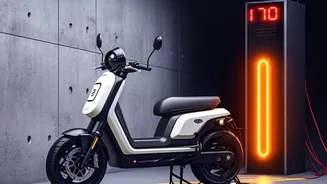



The Current Charging Challenge
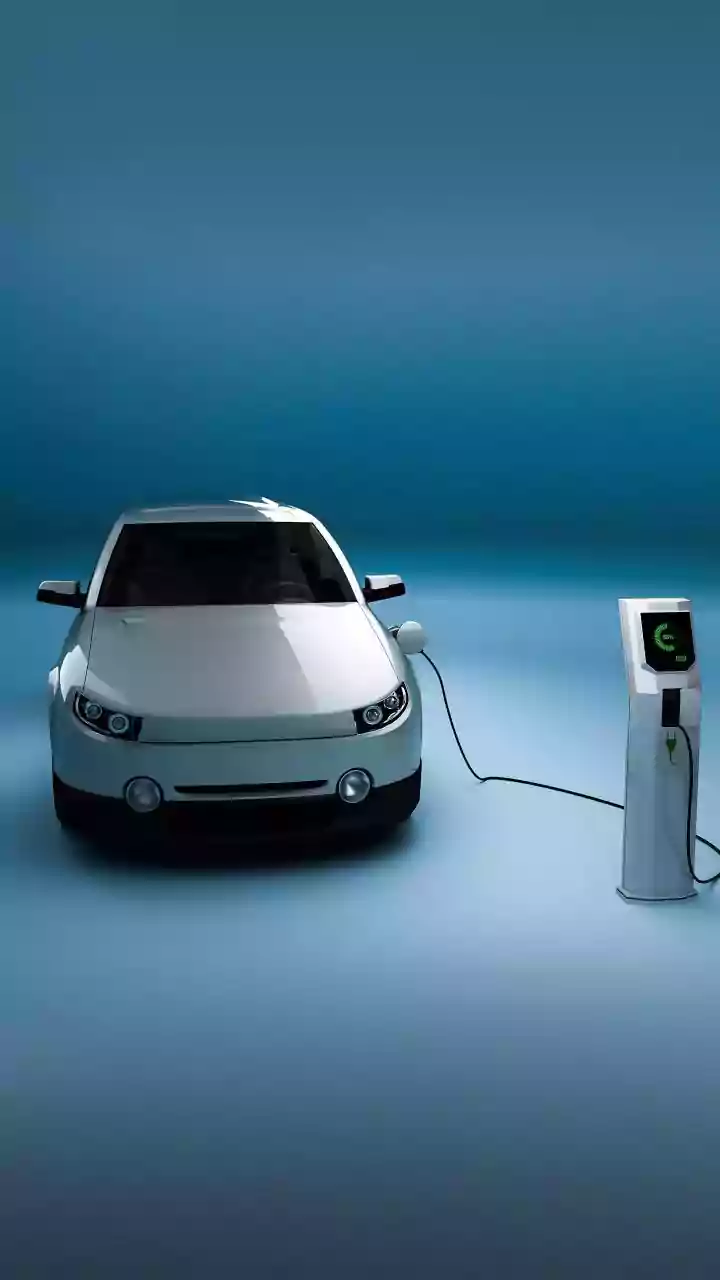
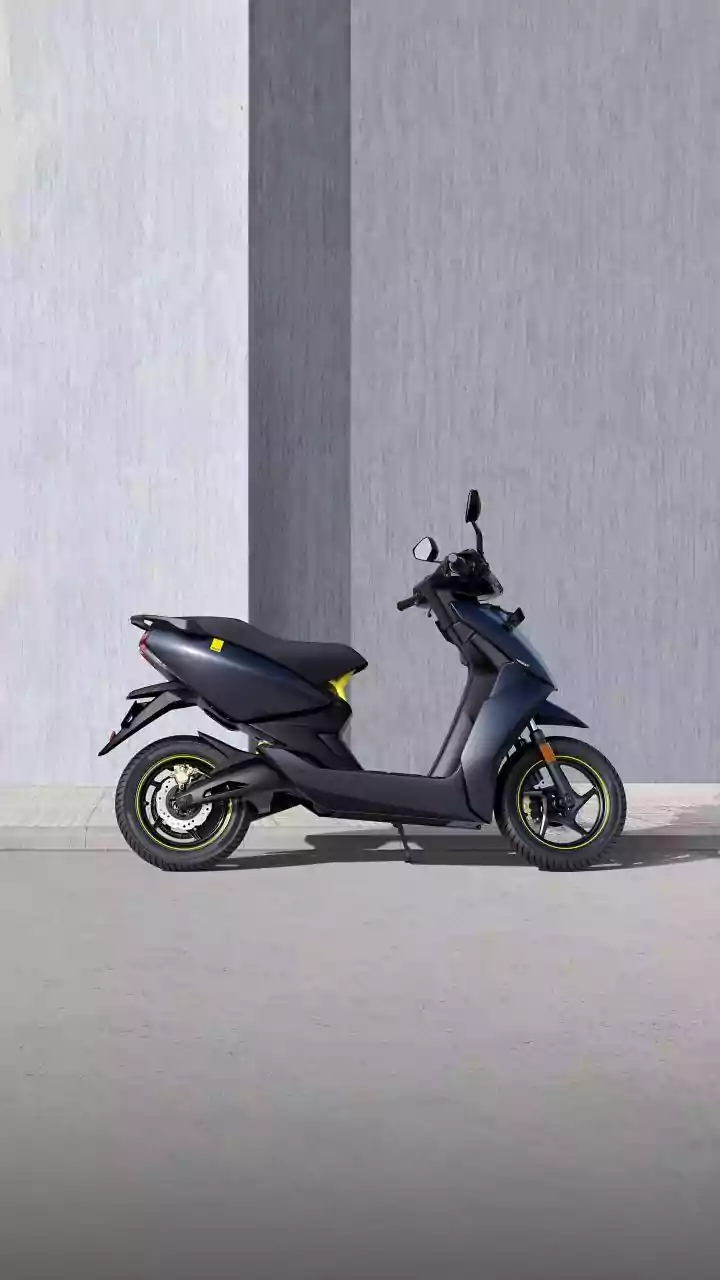
The single biggest hurdle for electric scooters moving from a niche vehicle to a mainstream daily driver in India has been charging. While they are cheap to run and ideal for congested city traffic, the lengthy charging times of 3 to 8 hours for a full
charge make spontaneous long trips impossible and create dependency on a predictable schedule. This issue, often dubbed 'range anxiety', forces riders to plan their days around their scooter's battery life, much like an early smartphone user. Solutions like swappable batteries have emerged, particularly in the commercial delivery space, but for the average individual owner, it's an expensive and cumbersome workaround. The need for a dedicated, secure overnight charging spot also limits their practicality for those living in apartments or without access to personal charging points.
The Breakthrough: Solid-State and Silicon Anodes
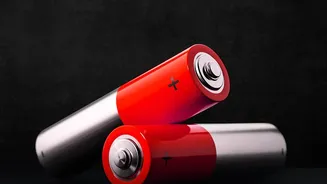
The revolution is happening at a chemical level. Two key technologies are leading the charge: solid-state batteries and silicon anode batteries. Unlike current lithium-ion batteries that use a flammable liquid electrolyte to move energy, solid-state batteries use a solid material, like ceramic. This fundamental change makes them not only safer but also capable of holding more energy and, crucially, accepting a charge much faster. Similarly, another innovation involves replacing the standard graphite in a battery's anode with silicon. Silicon can store significantly more lithium ions than graphite, which translates to a huge boost in energy density and much faster charging capabilities. These aren't just lab experiments; major companies are aiming for commercial deployment between 2026 and 2028.
From Hours to Minutes: A New Reality
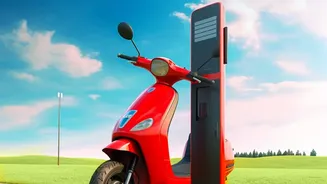
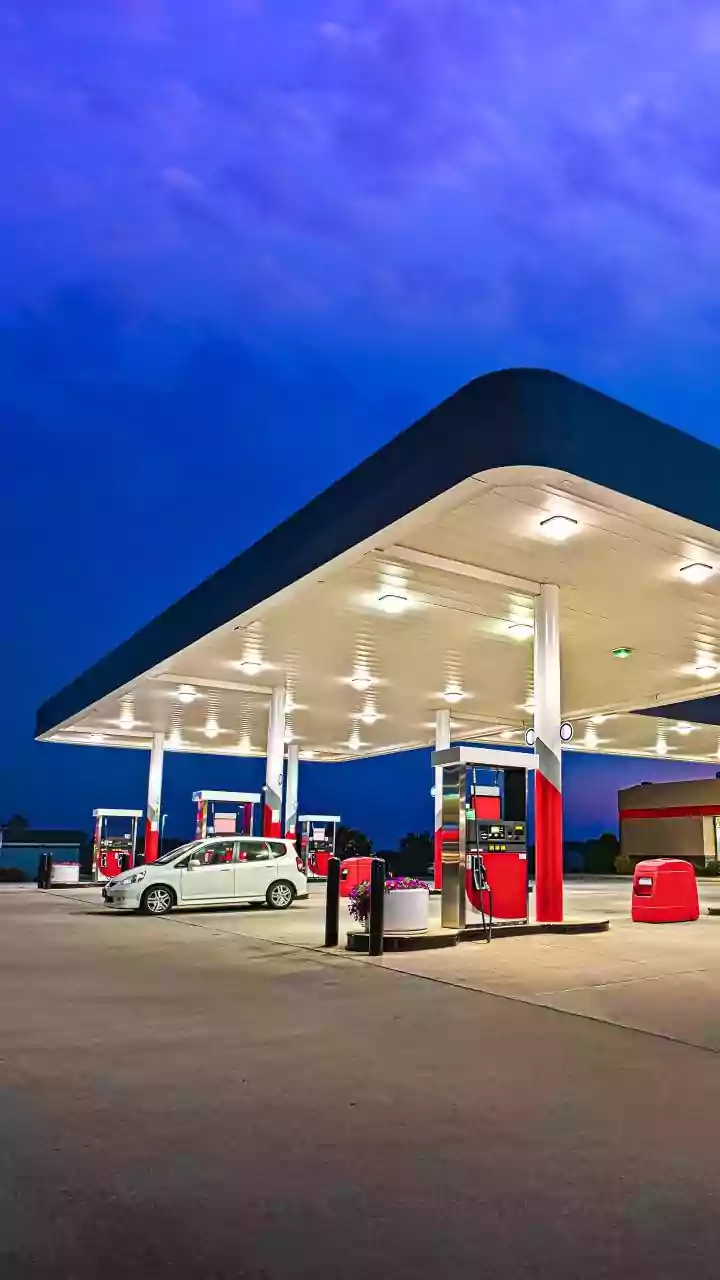
The practical impact of these technologies is staggering. Where current scooters take hours to charge, new battery designs could see charge times plummet. Some quick-charge systems already promise an 80% charge in as little as 2-3 hours for premium models. However, the next generation of technology aims to obliterate this benchmark. The goal for many developers is to achieve an 80% charge in the time it takes to drink a cup of chai—around 10 to 15 minutes. This transforms the entire ownership experience. A quick stop at a charging station would be enough to add significant range, making long-distance or unplanned journeys entirely feasible. It shifts the paradigm from 'planning for a charge' to 'charging when you need it', much like refuelling a petrol scooter.
More Than Just Speed: The Ripple Effects
The benefits of rapid charging extend beyond just saving time. Because these new batteries can store more energy in the same space (higher energy density), manufacturers have two choices: offer scooters with a much longer range, or use smaller, lighter batteries for the same range. A smaller battery means a lighter scooter, which improves handling, makes it easier to manage, and reduces the overall cost. Furthermore, a major concern with today's fast chargers is that they can degrade battery health over time. Many of the new solid-state and silicon anode technologies are being designed specifically for rapid charging, promising a longer overall lifespan even with frequent fast top-ups. This increased durability and efficiency will make electric scooters a more reliable and economical choice in the long run, finally removing the last major barrier to their mass adoption.