


More Than a Meal, An Offering of Love
At the heart of Durga Puja celebrations is the concept of 'bhog'. This is not merely a community lunch; it is a sacred offering first presented to Goddess Durga before being distributed among devotees. Unlike festivals that emphasize fasting, Durga Puja in Bengal
is a celebration of abundance. The act of preparing and sharing bhog becomes a form of worship itself. It transforms community halls into sacred dining spaces where social barriers dissolve, and everyone partakes in the blessed meal, known as 'prasad'. This tradition turns food into a powerful social equaliser, bringing people from all walks of life together to share a meal served with devotion and joy.
The Divine Trinity: Khichuri, Labra, and Chutney
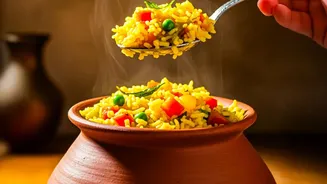
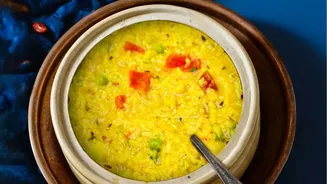
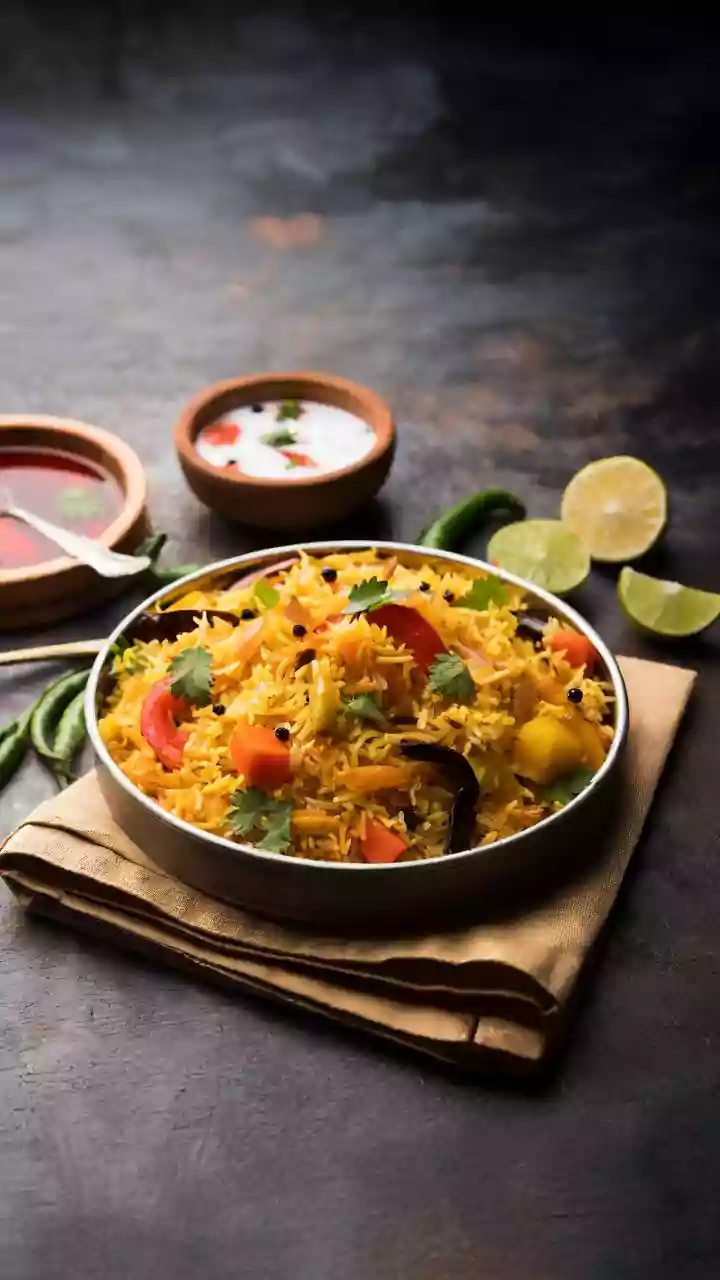
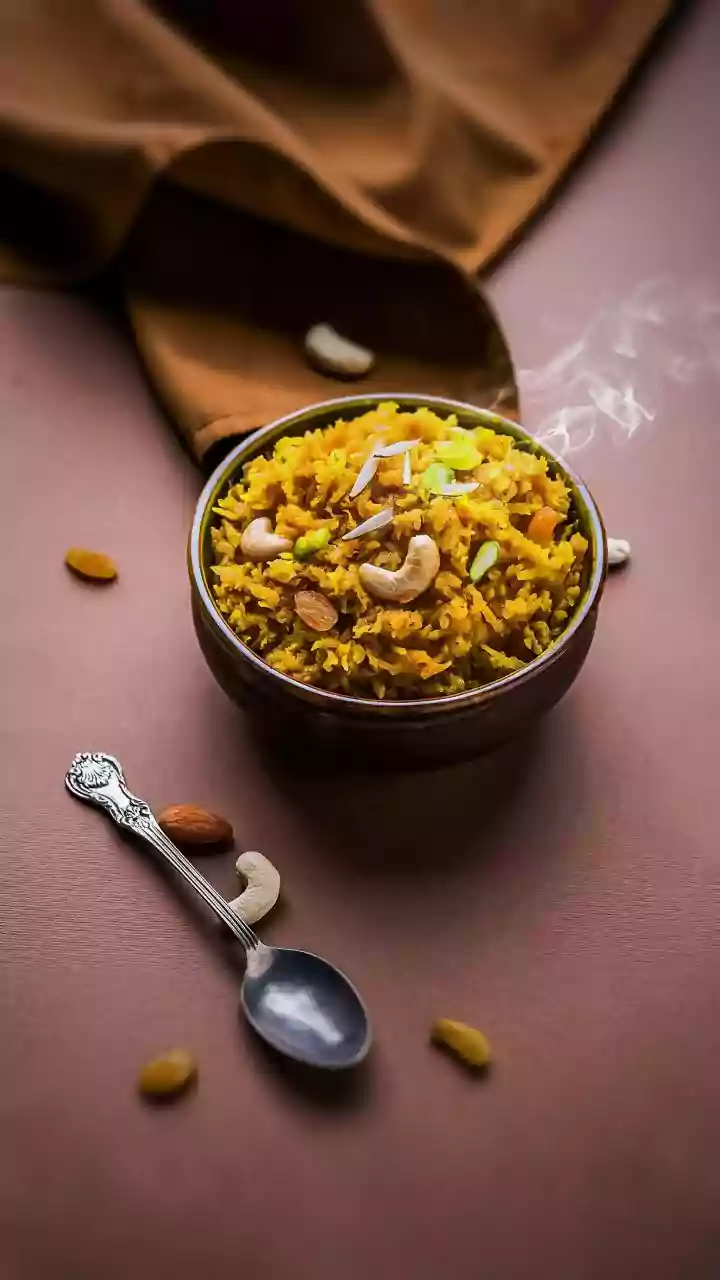
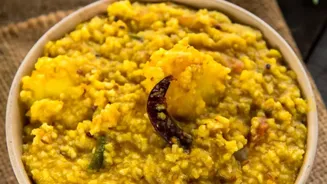
The star of the bhog plate is undoubtedly the 'bhoger khichuri'. Made from fragrant Gobindobhog rice and roasted moong dal, this one-pot dish is slow-cooked to a creamy consistency. Its preparation is 'niramish' or sattvik, meaning it contains no onion or garlic, which is considered suitable for a divine offering. Accompanying the khichuri is 'labra', a medley of seasonal vegetables cooked together. This dish, often featuring pumpkin, eggplant, potatoes, and spinach, symbolises unity and harmony. Just as various vegetables merge their flavours into one cohesive dish, Durga Puja brings together a diverse community. The meal is rounded off with a sweet and tangy chutney, often made from tomatoes, dates, or mango leather (aamshotto), which acts as a perfect palate cleanser.
A Symphony of Simple, Soulful Flavours
Many often wonder why the bhog served at pandals tastes so uniquely divine, a flavour that is hard to replicate at home. Part of the magic lies in the ingredients and the method. The slow cooking process, often in huge cauldrons over several hours, allows the flavours to meld together perfectly. The use of aromatic spices like the Bengali five-spice mix 'panch phoron', bay leaves, cumin, and a finishing touch of ghee elevates the simple ingredients into something extraordinary. But beyond the culinary techniques, there is a shared belief that the meal is blessed by the Goddess herself, infusing it with a special taste that nourishes the soul as much as the body.
The Taste of Community and Togetherness
The experience of eating bhog is as important as the food itself. Long queues of people waiting patiently, volunteers serving with heartfelt enthusiasm, and everyone sitting together to eat creates an unparalleled atmosphere of bonhomie. In many pandals, this community meal is served free to all visitors, reinforcing the spirit of unity and selfless service. This act of sharing food is a powerful social glue, strengthening bonds within the community. For many, the festival is incomplete without partaking in this communal feast, which embodies the spirit of togetherness that Durga Puja champions.
Nostalgia in Every Spoonful
For Bengalis living away from home, the taste of bhoger khichuri is a powerful link to their roots and childhood memories. It evokes the feeling of 'homecoming', a central theme of Durga Puja where the Goddess is welcomed as a daughter returning to her maternal home. This simple vegetarian meal carries the weight of tradition and the comfort of nostalgia. Every spoonful is a reminder of past celebrations, of family gatherings, and of the unique cultural identity that the festival represents. It is a tradition that has travelled with the Bengali diaspora across India and the world, becoming a cherished symbol of their heritage.