





Introducing 'Hydrogen for Heritage'
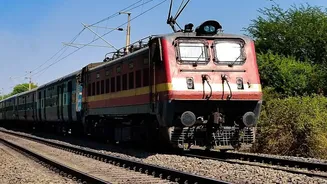
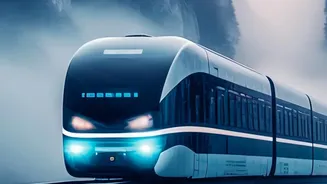
Indian Railways has initiated a visionary project named 'Hydrogen for Heritage,' which aims to run 35 hydrogen-powered trains on its most cherished and ecologically sensitive routes. This ambitious plan targets iconic narrow-gauge lines, including the
Kalka-Shimla railway, a UNESCO World Heritage Site, alongside others like the Darjeeling Himalayan Railway and the Nilgiri Mountain Railway. The core idea is to replace the existing diesel locomotives with a new fleet of trains that produce zero carbon emissions, thereby preserving the pristine beauty and structural integrity of these historic circuits for generations to come. The project kicked off with a successful pilot, with India's first hydrogen train flagged off on the Jind-Sonipat section in July 2026, marking a major milestone.
How Do Hydrogen Trains Actually Work?
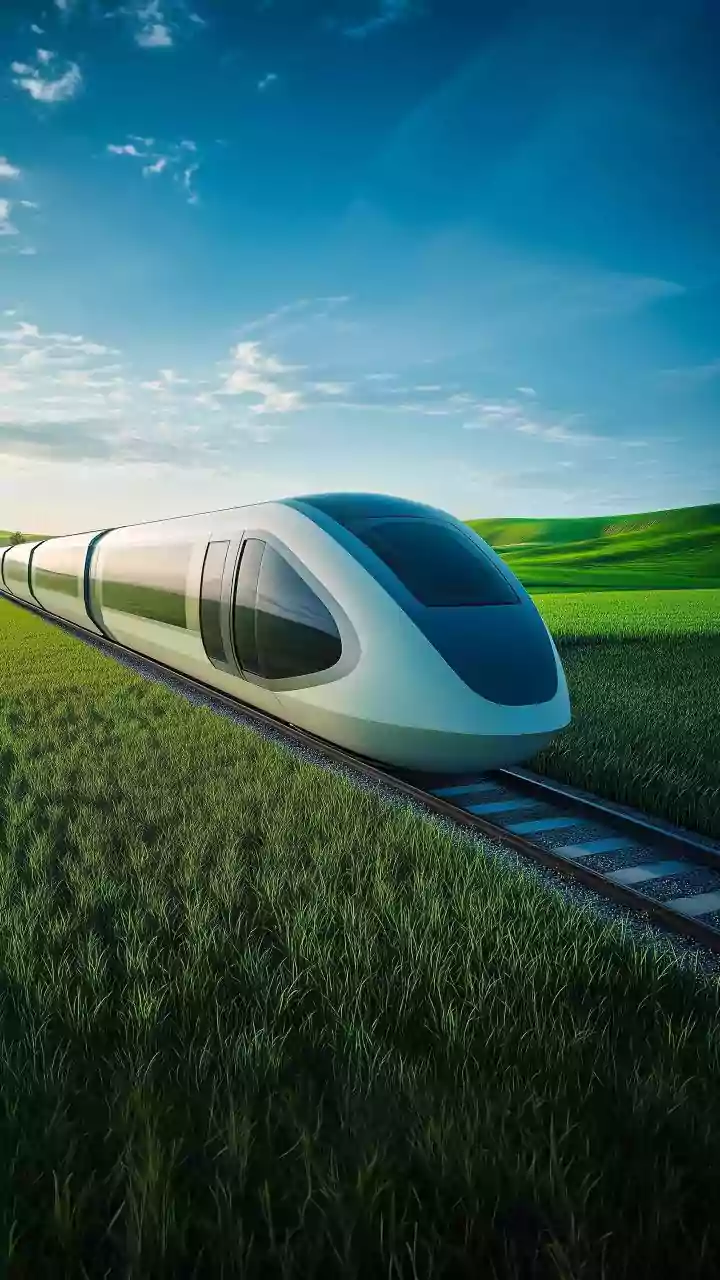
Think of a hydrogen train as a self-contained, mobile power plant on wheels. Instead of burning diesel or drawing power from overhead electrical lines, these trains use hydrogen fuel cells. Inside the fuel cell, hydrogen stored in tanks on the train chemically reacts with oxygen drawn from the air. This electrochemical process generates electricity, which powers the train's motors. The only byproduct of this reaction is water vapour, making the trains incredibly clean and quiet. Any excess electricity generated is stored in onboard batteries, which provide an extra power boost when the train is accelerating or climbing steep gradients, a common feature of the heritage hill railways.
Why Heritage Routes Need This Change
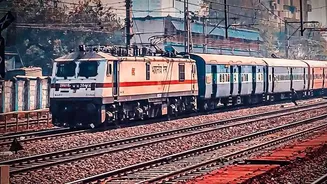
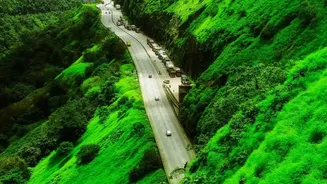
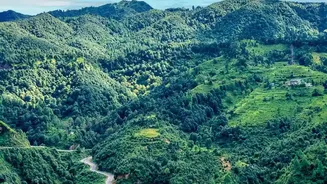
The heritage railway lines of India, while immensely popular, run through fragile ecosystems like the Himalayas. The current diesel engines, and in some cases even coal-fired steam engines, contribute significantly to air and noise pollution. Studies have shown that emissions from diesel engines, which include particulate matter and sulphur, can damage the local environment, contribute to soil acidification, and even stain the historic station buildings and bridges with soot. By switching to hydrogen, Indian Railways aims to eliminate these harmful emissions entirely. The quieter operation of hydrogen trains will also reduce noise pollution, enhancing the tranquil experience for which these scenic journeys are famous.
The Kalka-Shimla Blueprint
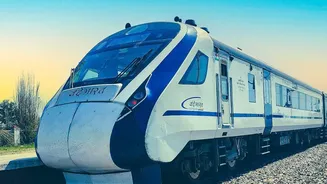
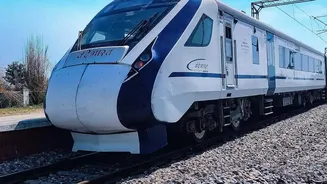
The Kalka-Shimla route is at the forefront of this green transition. A prototype train, developed by retrofitting an existing diesel unit, has already undergone successful speed trials. The plan involves running seven-coach trains with a design reminiscent of the modern Vande Bharat Express, but adapted for the narrow-gauge track. To support these operations, dedicated hydrogen fueling stations are planned for installation at Kalka, Barog, and Shimla. This route will serve as a blueprint for the rollout across the other seven designated heritage circuits. While the initial costs are high, estimated at around ₹80 crore per train and ₹70 crore for ground infrastructure per route, the long-term environmental benefits and reduced reliance on imported diesel are expected to make it a worthwhile investment.
Challenges and the Road Ahead
The journey to a fully hydrogen-powered heritage fleet is not without its challenges. The cost of producing green hydrogen and developing the necessary storage and refueling infrastructure across remote, hilly terrain is substantial. Furthermore, the first operational pilot on the Jind-Sonipat route has seen low passenger numbers, prompting officials to consider extending the route to Delhi to improve utilisation. Despite these hurdles, the 'Hydrogen for Heritage' initiative places India among a select group of nations, including Germany and Japan, that are pioneering hydrogen rail technology. It stands as a powerful statement of intent, signaling India's commitment to achieving its Net Zero emission goals by 2070 and decarbonizing the railway network.