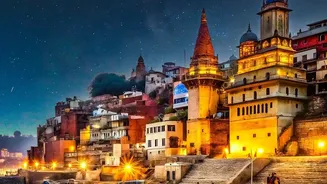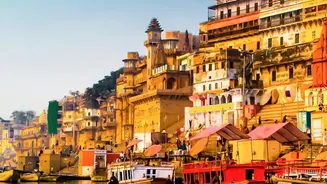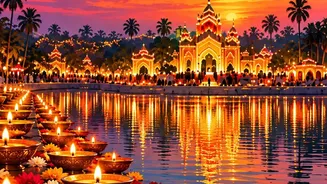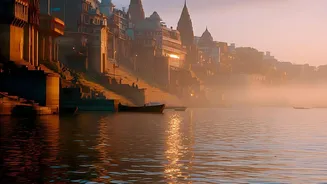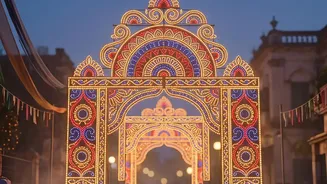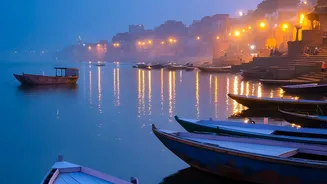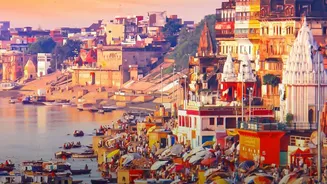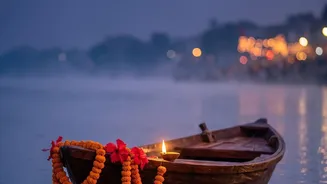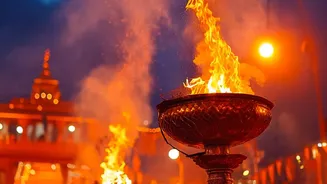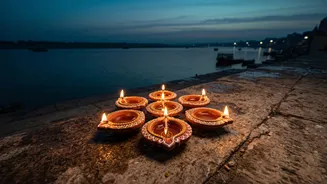




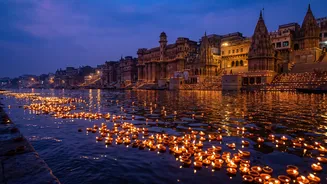
When millions of earthen lamps flicker to life along the ghats of Varanasi, it’s more than just a beautiful sight. This is Dev Deepawali, a festival that represents the grand spiritual climax of Kartik, Hinduism’s most sacred month.
The Holy Month of Kartik
To understand Dev Deepawali,
one must first appreciate the significance of Kartik, the eighth month in the Hindu lunar calendar, which typically falls in October or November. Considered exceptionally auspicious, this month is dedicated to heightened spiritual discipline, prayer, and acts of charity. Many devotees observe special vows, including pre-dawn ritual baths known as 'Kartik Snan', daily prayers, fasting, and the ceremonial lighting of lamps, or 'Deep Daan'. The Padma and Skanda Puranas describe religious acts performed during Kartik as carrying multiplied spiritual merit. It is a period of sustained devotion, where each day builds upon the last, setting the stage for a powerful conclusion. The entire month is seen as a journey of the soul towards purity and light.
Varanasi: The Epicentre of Divinity
While Kartik is observed across India, nowhere is its spirit more palpable than in Varanasi. The ancient city, also known as Kashi, is believed to be the earthly abode of Lord Shiva, and its lifeblood is the sacred River Ganga. Throughout Kartik, the city transforms. Before sunrise, the ghats fill with pilgrims for their holy dip. In the evenings, small lamps are floated on the river, and 'Akashdeep'—sky lamps—are raised on tall bamboo poles, intended to guide the ancestors. The air hums with a quiet, contemplative energy, a stark contrast to the boisterous celebrations of the main Diwali, which falls about 15 days earlier on a new moon night (Amavasya).
A Calendar of Sacred Events
The month of Kartik is packed with significant observances that lead up to Dev Deepawali. The period includes major festivals like Dhanteras, Diwali, Govardhan Puja, and Chhath Puja. In the latter half of the month, the focus shifts to a series of deeply spiritual days. Dev Uthani Ekadashi marks the day Lord Vishnu is believed to awaken from his four-month cosmic slumber, ending the period of Chaturmas. This is followed by Tulsi Vivah, the ceremonial wedding of the holy basil plant (Tulsi) to Lord Vishnu, an event that officially opens the Hindu wedding season. These rituals build a crescendo of devotional energy that finds its ultimate expression on the final day of the month.
The Diwali of the Gods
Dev Deepawali, which falls on Kartik Purnima (the full moon night), translates to the 'Diwali of the Gods'. The name comes from the core belief that on this night, the gods and goddesses descend from their celestial abodes to bathe in the holy Ganga at Kashi. The millions of diyas that illuminate the 84 ghats are lit to welcome them. The mythological origin of this celebration is Lord Shiva's victory over a trio of powerful demons known as Tripurasura. After a fierce battle, Shiva destroyed their three impregnable flying cities with a single arrow, earning him the name Tripurari. The gods celebrated this triumph over evil by illuminating the heavens, an event that is recreated on the ghats of Varanasi.
A Grand and Fitting Finale
Dev Deepawali is the culmination because it brings together all the threads of Kartik month into one spectacular event. The 'Deep Daan' (lamp offering) practiced daily throughout the month explodes into a citywide spectacle. The reverence for the Ganga, central to the 'Kartik Snan', is honoured with a grand, extended Ganga Aarti ceremony at Dashashwamedh Ghat. The day marks the end of many months long period of austerity and ushers in a mood of divine celebration. Often, many multi day Ganga Mahotsav, a festival of classical music and dance also concludes on Dev Deepawali merging cultural performance with spiritual observance. It is final magnificent offering after a month of dedicated practice a river of light that reflects collective devotion of millions.