





A Quick Look at Alzheimer's
Alzheimer's disease is a neurodegenerative disorder known for causing memory loss and cognitive decline. At its core, the disease involves the buildup of abnormal proteins in the brain. Two proteins in particular, amyloid-beta and tau, form toxic clumps
known as plaques and tangles. These clumps disrupt communication between brain cells (neurons) and trigger inflammation, eventually leading to cell death and the devastating symptoms of the disease. For years, much of the research focus has been on clearing these proteins, but scientists are increasingly looking at the brain's own defense systems for clues.
Meet the Brain's Gatekeepers
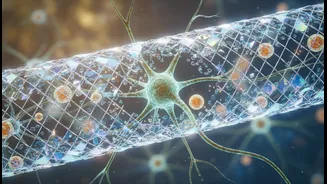
The brain is protected by a sophisticated security system. The two main components acting as 'gatekeepers' are the blood-brain barrier (BBB) and specialized immune cells called microglia. The BBB is a tightly sealed layer of cells that lines the blood vessels in the brain, acting like a highly selective filter. It prevents toxins, pathogens, and other harmful substances from the bloodstream from entering the delicate brain environment while allowing essential nutrients to pass through. Meanwhile, microglia are the brain's dedicated immune cells. They act as vigilant housekeepers, constantly surveying the brain for signs of damage or infection, clearing out cellular debris, and eliminating toxic protein buildups. In a healthy brain, these two systems work in harmony to maintain a stable and clean environment necessary for neurons to function properly.
When the Defenses Are Breached
In the early stages of Alzheimer's disease, this first line of defense starts to fail. The blood-brain barrier can become leaky or compromised. Studies show that even before significant cognitive decline, the BBB in people with early Alzheimer's can start to break down, allowing harmful substances from the blood to seep into the brain. This breach can trigger inflammation and contribute to neuronal damage. At the same time, the microglia can become dysfunctional. Instead of playing a protective role, they can switch to a pro-inflammatory state. In this state, they release chemicals that cause chronic inflammation, further damaging neurons instead of protecting them. Their ability to clear away amyloid plaques also diminishes, allowing the toxic proteins to accumulate.
A Newly Discovered Internal 'Skeleton'
Recent research from early 2026 has uncovered another potential gatekeeper: a structure just beneath the surface of neurons called the membrane-associated periodic skeleton (MPS). Previously thought to be just a passive support structure, scientists have now shown it actively regulates what and when the neuron absorbs materials from its surroundings in a process called endocytosis. The MPS acts as a physical gate, preventing the cell from taking in too much material too quickly. In experiments mimicking early Alzheimer's, researchers found that when this skeleton was degraded, neurons absorbed the amyloid precursor protein (APP) much faster. This led to a quicker buildup of the toxic amyloid fragments inside the cell, increasing stress and leading to cell death. This suggests a healthy MPS acts as a crucial brake, and its breakdown with age could accelerate the disease.
New Hope Through Fortifying the Gates
Understanding how these gatekeepers fail is opening up exciting new avenues for treatment. Instead of solely focusing on clearing amyloid plaques after they've formed, researchers are now looking for ways to bolster the brain's natural defenses. Some strategies being explored include developing drugs to repair the leaky blood-brain barrier. Other recent studies have identified molecules that can help 'reset' dysfunctional microglia, switching them from a harmful inflammatory state back to a protective, plaque-clearing one. Similarly, the discovery of the MPS's role suggests that finding ways to stabilize this internal skeleton could protect neurons from absorbing toxic proteins in the first place. By focusing on strengthening these fundamental defense lines, scientists hope to intervene earlier and more effectively in the disease process, potentially slowing or even preventing its progression.