





What is Black Carrot Kanji?
Kanji is a traditional fermented beverage originating from North India, particularly popular in states like Punjab, Uttar Pradesh, and Rajasthan. For generations, it has been a household staple during the winter months, especially leading up to the festival
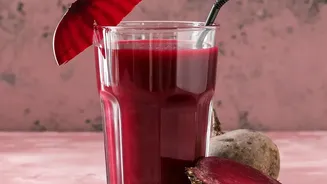
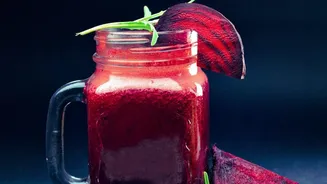
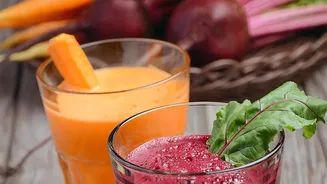
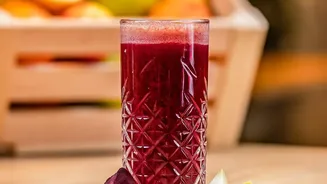
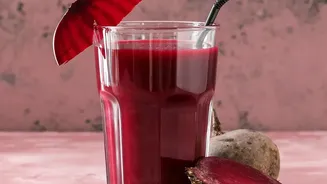
of Holi. The drink is most famously made with 'kali gajar', or black carrots, which give it a stunning deep purple colour. The preparation involves combining these carrots with water, salt, and spices—most crucially, coarsely ground mustard seeds (rai), which act as the fermenting agent. This mixture is traditionally left in a glass or ceramic jar in the sun for several days. The process of lacto-fermentation transforms the natural sugars in the carrots, creating a beverage with a unique flavour profile: tangy, savoury, and slightly pungent.
A Taste of Tradition and Health
Long before kombucha and kefir became global wellness buzzwords, Indian households had their own library of probiotic wisdom, and Kanji was a star player. Its resurgence is part of a larger movement towards embracing traditional, sustainable, and natural foods. The drink is valued not just for its unique taste but for its reputed health benefits, deeply rooted in Ayurvedic principles. Traditionally, Kanji is consumed to aid digestion, boost immunity during season changes, and act as a body coolant. The fermentation process creates beneficial probiotics, primarily lactic acid bacteria like Lactobacillus, which are known to support a healthy gut microbiome. A healthy gut is linked to improved digestion, reduced bloating, and better nutrient absorption.
The Science Behind the Sip
The health appeal of Kanji isn't just folklore. The star ingredient, black carrots, are a rich source of anthocyanins—powerful antioxidants responsible for their dark colour. These antioxidants help the body fight oxidative stress. The fermentation process not only cultivates probiotics but also enhances the bioavailability of vitamins and minerals present in the carrots, such as Vitamin A, Vitamin C, and Vitamin K. As a low-calorie, high-fibre drink, it can also aid in weight management by promoting a feeling of fullness. It serves as a natural detoxifier, supporting liver function and helping to cleanse the body. This combination of probiotics, vitamins, and antioxidants makes it a holistic wellness tonic.
Why the Renewed Popularity?
The return of Kanji to Indian kitchens is driven by several converging trends. There's a growing awareness around gut health and the role of probiotics in overall well-being. Consumers are increasingly seeking natural, unprocessed alternatives to sugary, commercial beverages. Furthermore, there's a renewed cultural pride in rediscovering and reviving culinary heritage. Social media platforms and food bloggers have played a significant role in reintroducing traditional recipes like Kanji to a younger, health-conscious audience, often sharing personal stories and modern twists on the classic drink. While drinks like kombucha have gained commercial success, many are now looking towards hyperlocal, equally beneficial beverages like Kanji that are both affordable and deeply connected to Indian roots.
Bringing Kanji to Your Kitchen
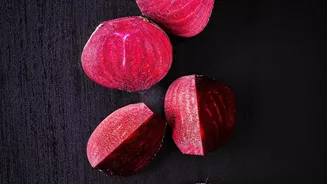
Making Kanji at home is a simple and rewarding process. The basic ingredients are black carrots (or red carrots with a piece of beetroot for colour), filtered water, ground mustard seeds, black salt, and a pinch of red chilli powder. The carrots are washed and cut into batons before being placed in a large, sterilised glass or ceramic jar. The spices and salt are added, followed by water. After a good stir, the jar is covered with a cloth and left in a sunny spot for anywhere from two to five days, depending on the strength of the sun. A daily stir is recommended. The drink is ready when it develops a pleasantly sour and tangy taste. Once fermented, it can be refrigerated to slow down the process and enjoyed as a refreshing appetizer or a digestive aid.