



Unpacking the Urgency
That pressing need to buy a trendy item right now is no accident; it’s a carefully crafted marketing strategy. Fast-fashion brands thrive on creating a sense of urgency through tactics like limited-time offers, low-stock alerts, and rapid trend cycles.
These triggers are designed to bypass rational thought and tap directly into our emotions, creating a fear of missing out (FOMO) that encourages quick, impulsive decisions. This cycle is driven by the desire for instant gratification, where the thrill of the purchase—the feeling of getting a present, even from yourself—can temporarily relieve boredom or stress. Understanding that this urgency is manufactured is the first step toward regaining control over your shopping habits.
The 'Where Will I Wear It?' Test
Before you click ‘buy,’ take a moment to be brutally honest with yourself. Where, specifically, will you wear this item? It's easy to fantasise about a life where you attend rooftop parties every weekend, but the reality for most of us is a cycle of work, casual meetups, and home life. If you can’t immediately picture three distinct, realistic occasions in the next few months where this new piece would be the perfect choice, it’s likely a want, not a need. This simple visualisation exercise grounds the potential purchase in the context of your actual life, not the one you see in influencer feeds. It forces you to move past the item's aesthetic appeal and consider its practical utility.
The Rule of Three
A versatile wardrobe is a functional one. A truly useful new garment should not require you to buy more items to make it work. Instead, it should seamlessly integrate with what you already own. Before purchasing, mentally (or physically) style the new piece with at least three existing items in your closet. Can you create three distinct outfits with it? If that trendy blouse only works with one specific pair of trousers, or those statement shoes clash with all your dresses, their cost-per-wear will be astronomically high. This rule ensures you’re buying a puzzle piece that fits, not a whole new puzzle you can't complete.
Identify Your Wardrobe Gaps
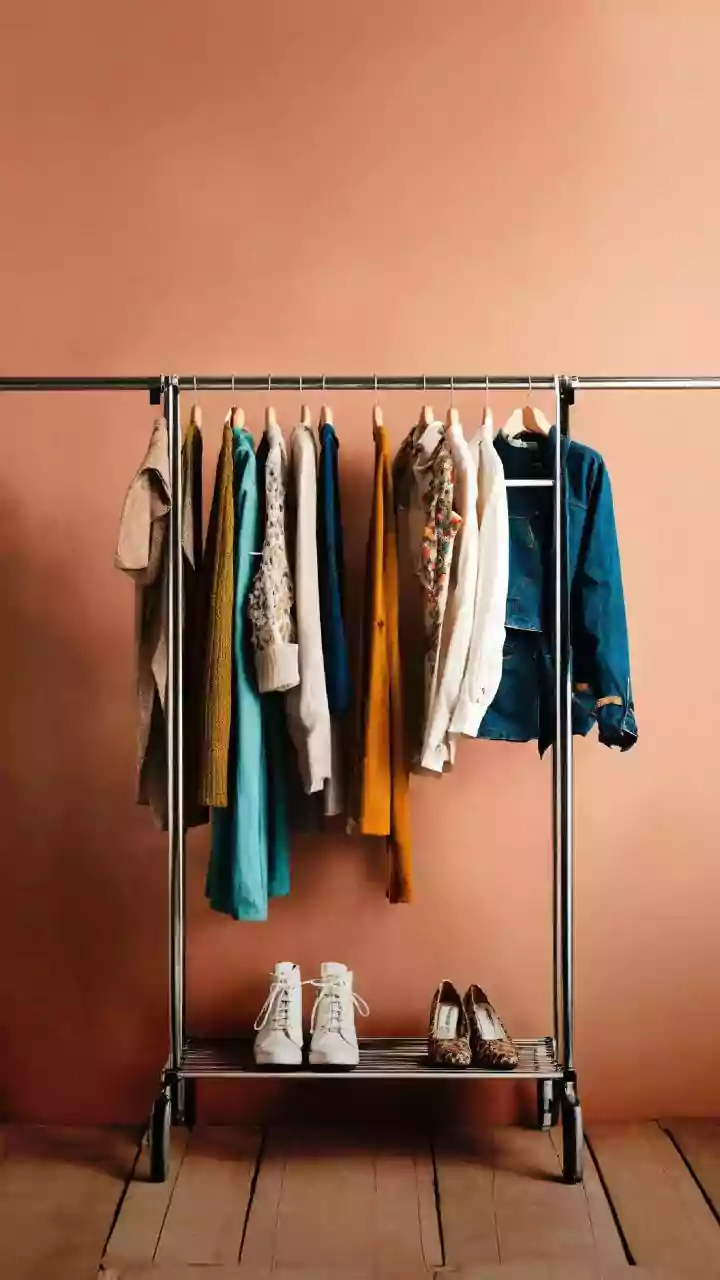
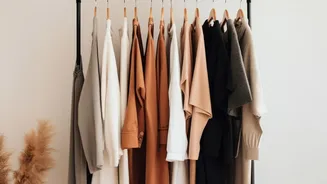
Mindful shopping isn’t about never buying new things; it's about buying the right things. The most effective way to resist impulse buys is to shop with a purpose. This starts with identifying genuine gaps in your wardrobe. Take some time to audit your closet. What do you keep reaching for that isn't there? Perhaps you have plenty of party tops but no simple, elegant blouse for work meetings. Maybe you own countless pairs of jeans but lack a comfortable pair of tailored trousers. Keep a running list on your phone of these “gaps.” When the urge to browse strikes, consult your list. This transforms shopping from a reactive, emotionally-driven activity into a proactive, problem-solving mission.
Embrace the 24-Hour Wait
Impulses thrive on speed; deliberation is their enemy. One of the most effective strategies to curb mindless shopping is to institute a mandatory waiting period. If you find an item you love online, add it to your cart or wishlist and then close the tab. Wait at least 24 hours. This simple delay allows the initial dopamine rush and the manufactured sense of urgency to fade. After a day, you can revisit the item with a clearer head. Ask yourself the key questions again: Does it fill a real gap? Will I wear it often? Do I still want it as much? More often than not, the intense desire will have softened, and you’ll be able to make a more rational decision about whether it’s a worthy addition to your life.