
What Exactly Is an Olla Pot?
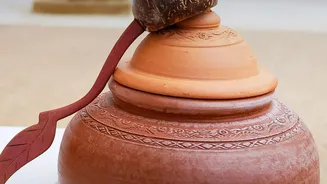
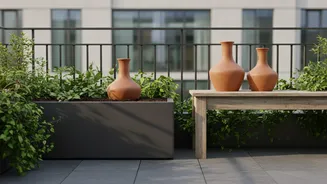
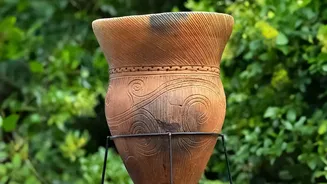
An olla (pronounced 'oy-yah') is an unglazed, porous terracotta pot that is buried in the soil and filled with water to irrigate plants. This method is not a new invention; it's an ancient technique used for thousands of years in arid climates across
the world, from China to North Africa. Think of it as a personal reservoir for your plants, delivering water exactly where it's needed most: the roots. The concept is similar to the traditional Indian 'matka' used for cooling water, but here, the porosity of the clay is used to release water slowly into the soil. Ollas are typically bottle- or sphere-shaped with a narrow neck that sticks out above the soil for easy refilling.
The Science of 'Smart' Watering
The genius of the olla lies in a natural process called soil moisture tension. Because the olla is made of unglazed clay, its walls are filled with tiny pores. When the soil around the pot is dry, the soil effectively 'pulls' water through these pores and out of the olla. Conversely, when the soil is already moist (for instance, after a rain shower), the pulling force decreases, and the water stays inside the pot. This creates a self-regulating system that prevents the dual dangers of overwatering and underwatering. Your plants get a consistent supply of moisture, allowing them to draw water as they need it, which dramatically reduces the stress caused by fluctuating wet and dry cycles.
Big Benefits for Balcony Gardens
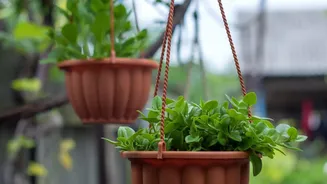
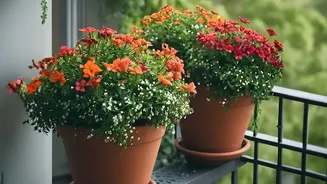
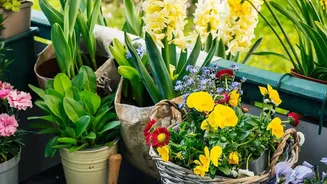
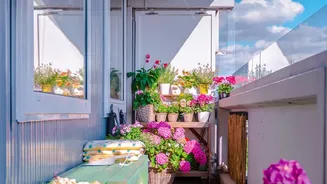
Container gardens on balconies dry out much faster than in-ground beds due to exposure to wind and heat radiating from walls and floors. Ollas are particularly effective in this environment. By delivering water directly to the root zone, water loss to evaporation and surface runoff is almost completely eliminated, potentially reducing water usage by up to 70% or more compared to surface watering. This deep watering encourages stronger, deeper root growth, making plants more resilient. A drier soil surface also discourages weed growth and can help prevent common fungal diseases that thrive on wet leaves. For the busy gardener, it means less time spent watering and more time enjoying healthy, thriving plants.
How to Use Ollas in Your Pots
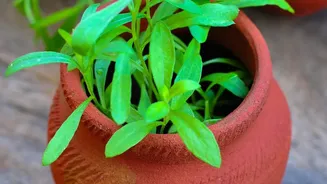
Using an olla is straightforward. First, choose a pot size appropriate for your container; smaller ollas work well in 12-16 inch pots, while larger ones are better for half-barrels or troughs. Before adding your plant, bury the olla in the potting mix, leaving only the neck exposed above the soil. Gently pack the soil around it to ensure good contact and avoid air pockets, which would prevent water from seeping out correctly. Plant your flowers or vegetables around the olla, fill it with water, and place a small rock or lid over the opening to prevent evaporation and keep debris out. You'll need to refill the olla every few days to a week, depending on the weather and the thirst of your plants.
Things to Keep in Mind
While incredibly effective, there are a couple of things to consider. Ollas work best in coarse or sandy soils; very heavy clay soils may not draw water out as effectively. Also, do not add liquid fertilizers to the water inside the olla, as the minerals can clog the clay's pores over time. Some plants with very aggressive, woody roots might eventually crack the pot, but this is less of a concern in container gardening with annuals or smaller perennials. For most balcony applications, the benefits of consistent hydration and water conservation far outweigh these minor considerations, making ollas a fantastic tool for any urban gardener.