



Shillong & Cherrapunji: The Abode of Clouds
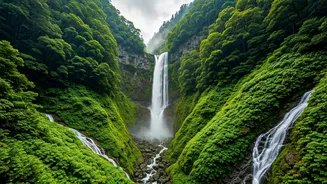
Tucked away in Northeast India, the state of Meghalaya lives up to its name, “The Abode of Clouds.” While the rest of the world seeks sun, here the rain is the main event. Drive from the chic hill station of Shillong to Cherrapunji, historically one of the wettest
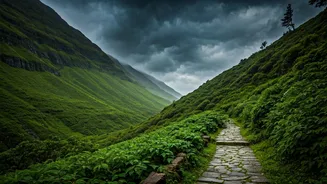
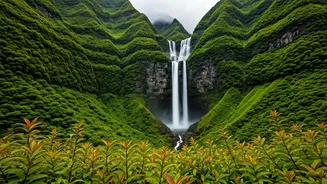
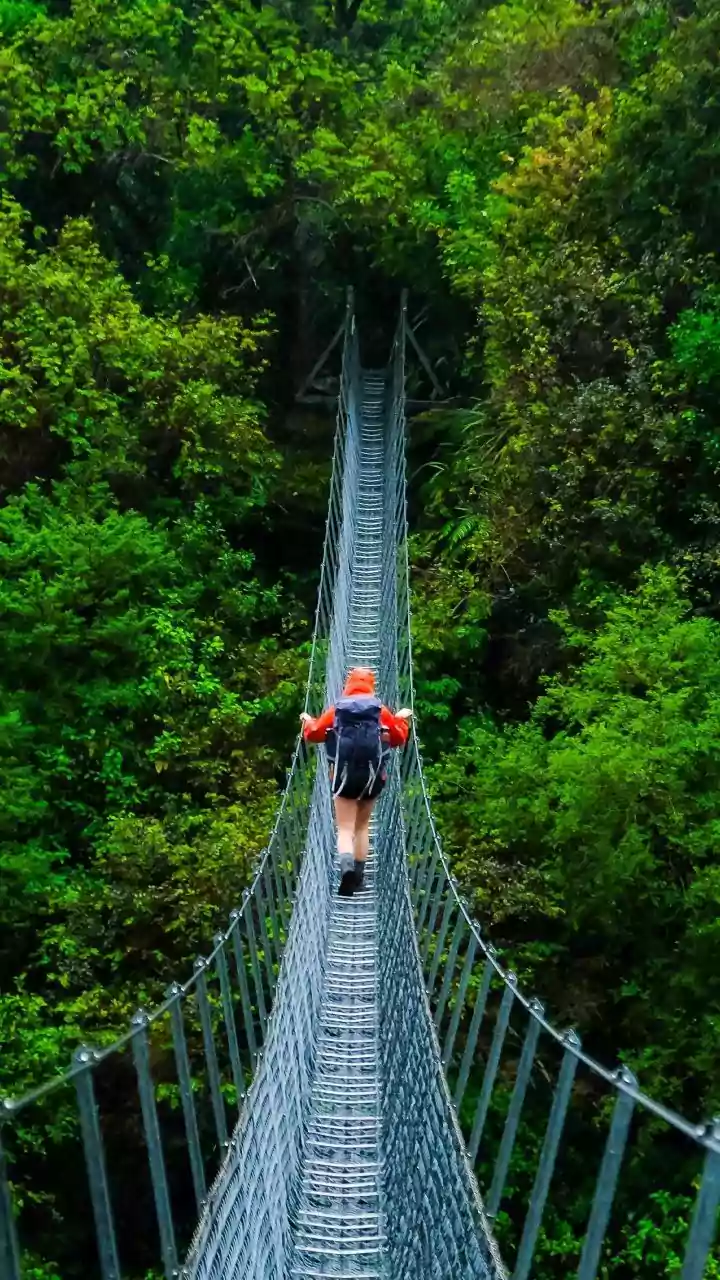
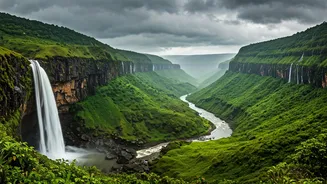
places on Earth. The monsoon transforms the region into a spectacle of roaring waterfalls and mist-shrouded hills. The true marvel, however, is the network of living root bridges. Woven by hand over centuries from the roots of rubber fig trees, these natural wonders are at their most enchanting when surrounded by the lush, dripping foliage of the monsoon. It's an otherworldly experience, part hiking adventure and part fairytale.
Coorg: The Coffee-Scented Hills of Karnataka
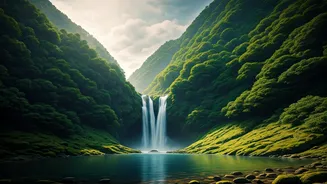
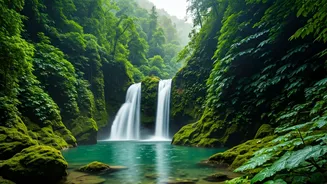
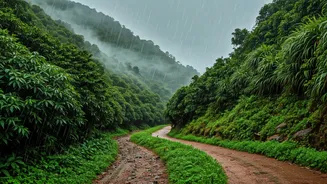
Often called the “Scotland of India,” the Coorg region in the southern state of Karnataka is a rolling landscape of coffee plantations, spice gardens, and dense forests. During the monsoon (June to September), the region sheds the dust of the dry season and dons a coat of emerald green. The air is thick with the scent of wet earth and freshly brewed coffee. Waterfalls like Abbey and Iruppu, which are modest trickles in other seasons, become thundering cascades. It’s the perfect destination for travelers looking to unwind. Find a cozy homestay nestled in a coffee estate, curl up with a book and a cup of local brew, and watch the rain dance across the hillsides.
Valley of Flowers: A Himalayan Paradise in Bloom
This is a spectacle with a time limit. A UNESCO World Heritage Site in the state of Uttarakhand, the Valley of Flowers is a high-altitude Himalayan valley that is only accessible from June to October. And the peak time to visit? The heart of the monsoon, from July to August. During these months, the entire valley explodes into a carpet of over 300 species of alpine flowers, creating a breathtaking canvas of color against the backdrop of snow-capped peaks. The trek to the valley is a journey in itself, winding through forests and alongside the gushing Pushpawati River. It's a challenging but deeply rewarding pilgrimage for nature lovers and trekkers seeking a truly unique floral phenomenon.
Orchha: Where Medieval Ruins Meet Monsoon Skies
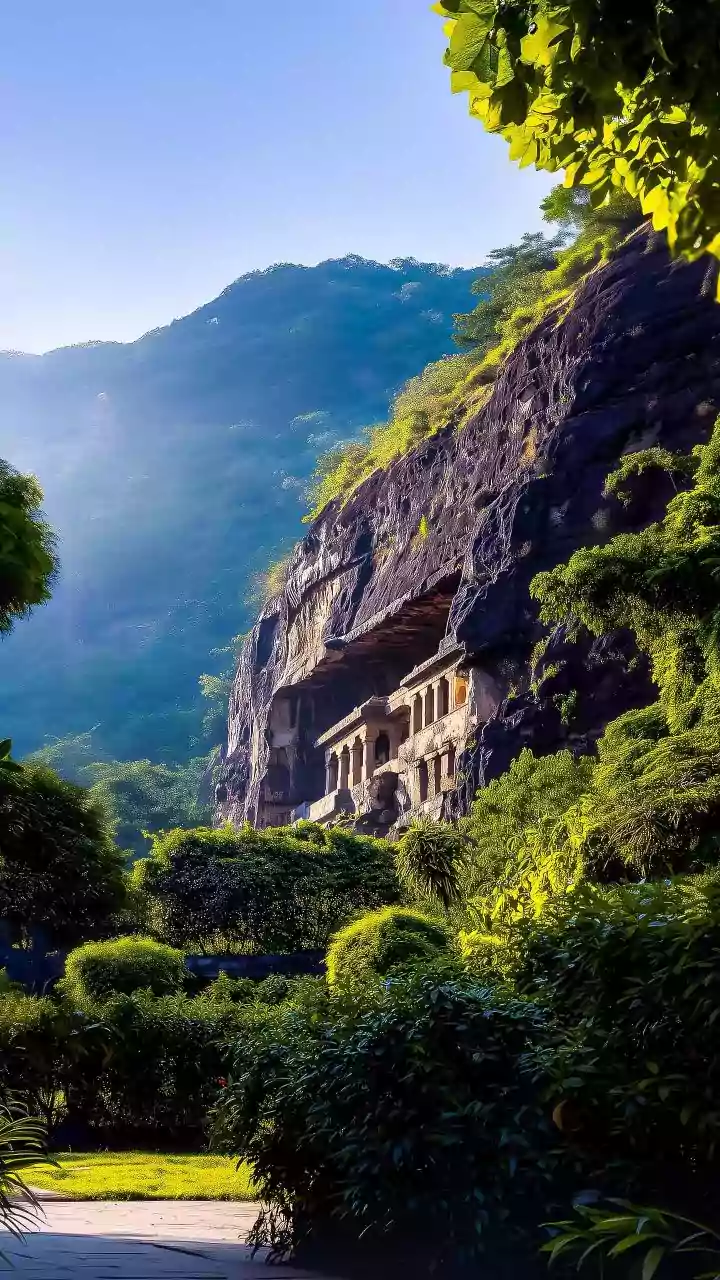
While most travelers flock to the deserts of Rajasthan, the lesser-known town of Orchha in Madhya Pradesh offers a different kind of historical magic. This medieval town, situated on the banks of the Betwa River, is a quiet landscape of magnificent palaces, temples, and cenotaphs (chhatris). During the monsoon, the dry, dusty plains are replaced by lush greenery, and the grey stone of the ancient architecture stands in stunning contrast to the dramatic, cloudy skies. The sound of the rain echoing through empty palace halls and the sight of the Betwa River swelling with monsoon waters create a moody, romantic atmosphere that feels a world away from the tourist trail. It's history, not just seen, but felt.
The Western Ghats: A Train Ride Through the Clouds
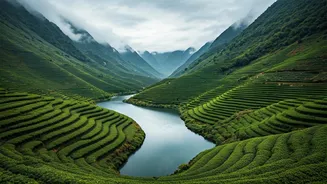
Sometimes the journey itself is the destination. The Western Ghats, a mountain range running parallel to India’s western coast, is a biodiversity hotspot that becomes almost impossibly green during the monsoon. For an unforgettable experience, take a train journey along the Konkan Railway, which connects Mumbai to Mangalore. The route is an engineering marvel, featuring over 2,000 bridges and 91 tunnels that cut through the mountains. From your window, you’ll witness a panorama of rain-drenched paddy fields, swollen rivers, and countless waterfalls cascading down the mountainsides. It’s a slow-travel experience that immerses you completely in the stunning and dramatic beauty of India's monsoon.