



The Shift Away From 'Fast Furniture'
Much like 'fast fashion', the world is waking up to the problem of 'fast furniture'—mass-produced, inexpensive items that aren't built to last. This model contributes significantly to landfill waste, with millions of tons of furniture being discarded
globally each year. Choosing second-hand is a direct response to this issue. It's a conscious decision to extend the lifecycle of an existing item, thereby reducing the demand for new production and conserving natural resources like wood and water. This shift reflects a broader consumer desire for responsible consumption, where quality and durability are valued over disposability.
More Than an Eco-Friendly Choice
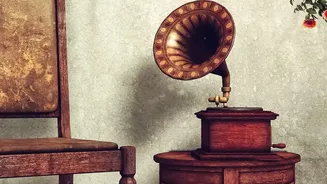
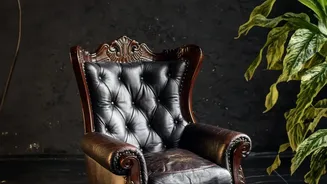
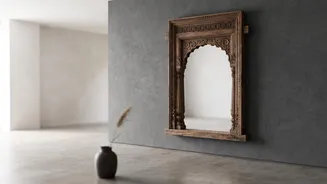
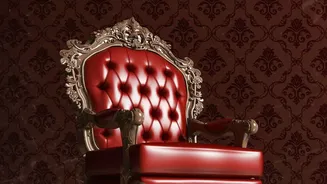
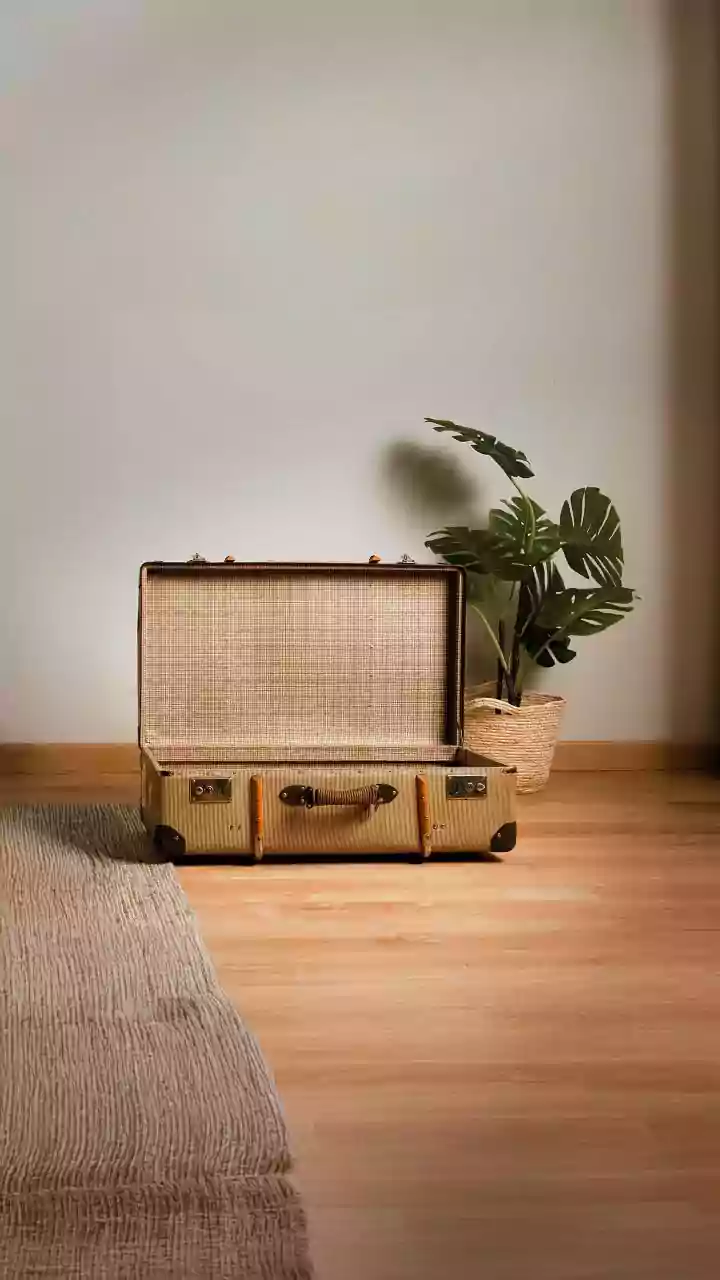
While sustainability is a major driver, the appeal of vintage and second-hand items goes much deeper. These pieces bring a unique character and history into a home that brand-new items often lack. A weathered wooden chest, a retro armchair, or a hand-carved cabinet tells a story and adds a layer of personality to your decor. Furthermore, older furniture is often made from solid wood and with superior craftsmanship, like dovetail joints, meaning you can acquire a high-quality, durable piece for a fraction of the cost of a new, lower-quality equivalent. It’s a win-win: your home looks more interesting, and you get better value for your money.
A Treasure Hunter's Guide to Shopping
Shopping for second-hand furniture is an adventure. To ensure you bring home a treasure, not trouble, keep a few things in mind. First, inspect the piece thoroughly. Look for good 'bones'—a solid structure and quality material like solid wood. Minor surface scratches or worn paint can be easily fixed, but major structural damage, like deep cracks or wobbly legs, might be a deal-breaker. Always measure your space and the furniture before buying. Don't be afraid to test it out in the store: sit on chairs, open drawers, and check for stability. Lastly, use your nose. Avoid items with strong, persistent odours like damp or smoke, as these can be nearly impossible to remove.
Where to Find Gems in India
India has a thriving market for second-hand and vintage furniture, if you know where to look. Major cities have dedicated markets, like Chor Bazaar in Mumbai or the furniture markets in Kirti Nagar in Delhi, known for vintage treasures. Beyond these famous spots, keep an eye on online marketplaces. Many people sell high-quality, pre-loved items for a good price. Also, explore local antique shops and even your friendly neighbourhood scrap dealer ('kabadiwala'), who sometimes acquires discarded gems. Another wonderful source is within your own family. That old trunk, chair, or table passed down from a grandparent can be the most meaningful centrepiece of all.
Giving Old Finds a New Life
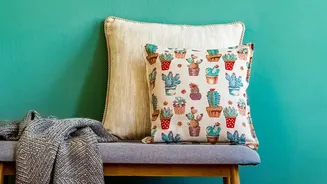
The magic of second-hand furniture is its potential for transformation. Upcycling allows you to tailor a piece to your exact style. A simple coat of paint in a bold, modern colour can completely change the look of a traditional dresser. Swapping out old knobs and handles for new hardware is an easy and inexpensive update that makes a huge impact. Don't be afraid to think creatively. Old sarees can be repurposed into vibrant cushion covers or curtains. A sturdy old door can be turned into a unique dining table, and vintage wooden crates can become rustic, modular shelving. These small projects not only save an item from landfill but also infuse your home with creativity and personal flair.