


The Vanishing Stars of Urban India
In major cities like Mumbai, Delhi, and Bengaluru, the night sky is now a hazy, orange-tinged blanket where only a handful of the brightest stars and planets are visible. This phenomenon, known as light pollution, is caused by excessive and poorly-aimed
artificial lighting from buildings, streetlights, and advertisements. According to some experts, the visibility of stars over India has steadily decreased over the last few decades. This silent form of pollution doesn't just rob us of a spectacular view; it has proven negative effects on human health by disrupting our natural sleep cycles and harms nocturnal wildlife that relies on darkness for navigation and survival. The simple, profound connection to the universe that our ancestors had is now a luxury that most of us have lost.
A New Travel Trend: Journeying for Darkness
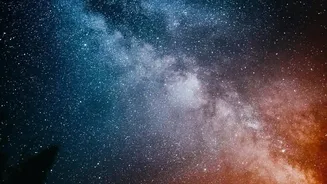
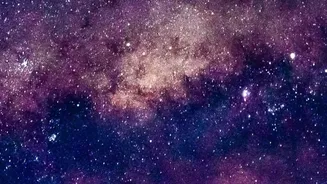
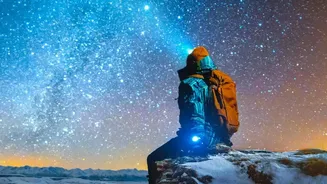
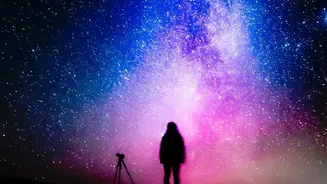
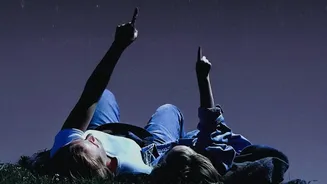
In response, 'astrotourism' is rapidly moving from a niche hobby to a mainstream travel desire. This is a form of experiential travel, where the goal is not just to see a place, but to immerse yourself in a unique environment and activity. Travellers are actively seeking out remote locations with pristine, dark skies, not necessarily to become expert astronomers, but simply to witness the awe-inspiring sight of the Milky Way with their own eyes. Companies and local communities are now creating entire holiday experiences built around the night sky, combining stargazing with comfortable stays, local culture, and adventure. This isn't just about looking through a telescope; it's about reconnecting with a fundamental part of nature.
India’s Celestial Sanctuaries
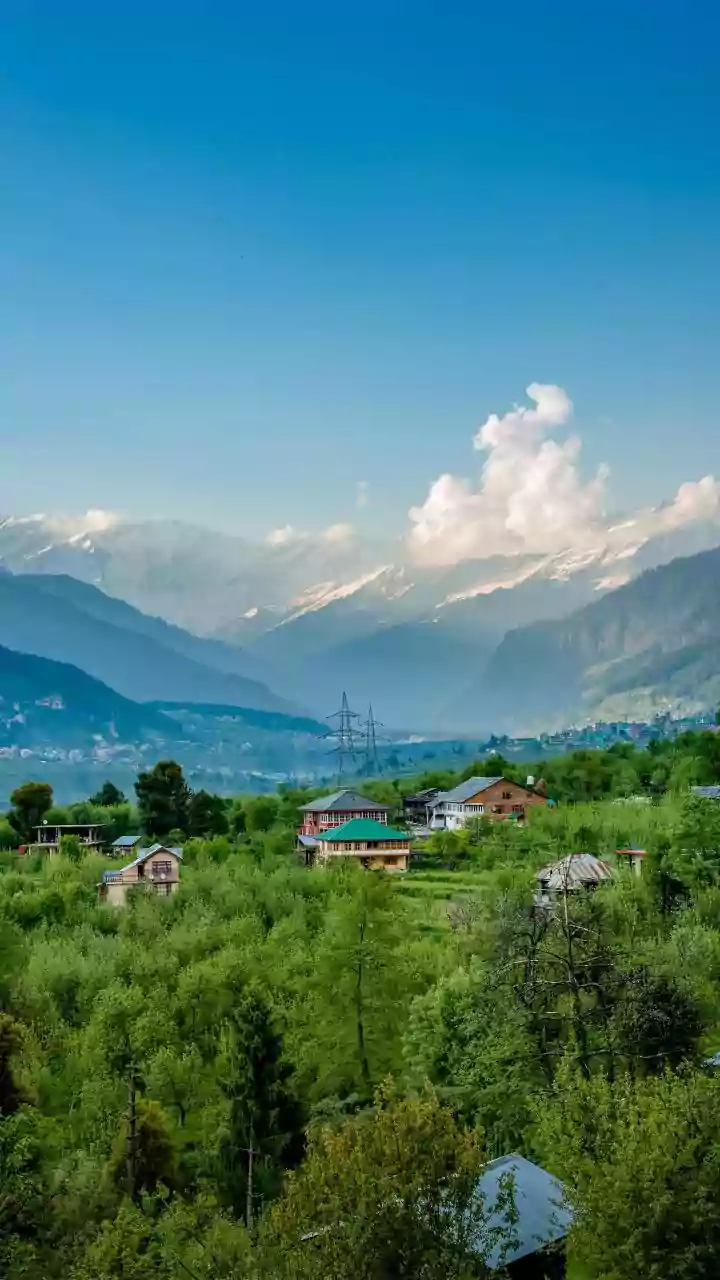
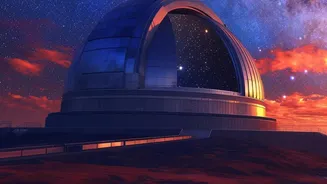
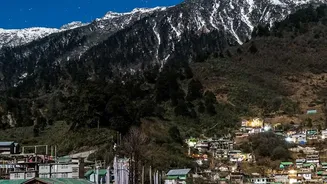
India is home to some of the most spectacular stargazing spots in the world. The crown jewel is Hanle in Ladakh, designated as India's first official Dark Sky Reserve. Situated at a breathtaking altitude of 4,500 metres, Hanle offers exceptionally clear, dry air and near-zero light pollution, making it a world-class destination. The local community has been trained and equipped to guide visitors, creating a sustainable tourism model that benefits residents. Other prime locations include the high-altitude deserts of Spiti Valley in Himachal Pradesh and the vast, flat expanses of the Rann of Kutch in Gujarat, where the horizon seems to merge with the cosmos. For those seeking less extreme journeys, places like Coorg in Karnataka and newly developing 'astro-villages' like Benital in Uttarakhand are making dark skies more accessible.
Beyond the Telescope: An Immersive Experience
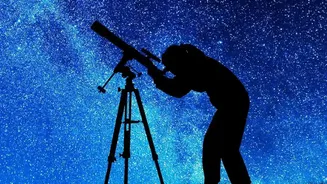
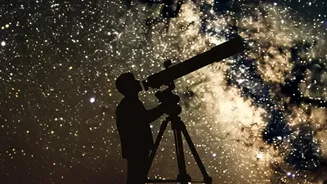
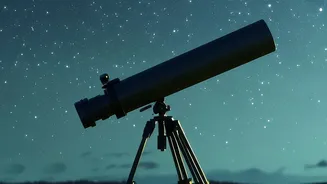
What makes these trips 'experiential' is the combination of activities. A trip to a dark sky location is rarely just about stargazing. In places like Ladakh and Spiti, it involves staying in local homestays, experiencing ancient monastic cultures, and waking up to majestic Himalayan landscapes. Many operators offer guided sessions with professional telescopes, allowing beginners to see the rings of Saturn or the moons of Jupiter for the first time. For the creatively inclined, astrophotography workshops are becoming increasingly popular, teaching visitors how to capture the beauty they are witnessing. These journeys blend science, nature, and culture, offering a holistic escape that feels both educational and deeply restorative. The experience is about the profound silence, the crisp mountain air, and the humbling perspective of seeing your place in the universe.
Planning Your Stargazing Adventure
If you're planning your first astro-holiday, a few tips can help. First, timing is crucial. Plan your trip around the new moon phase to ensure the darkest possible skies. Second, pack for the conditions. High-altitude locations like Hanle can be extremely cold at night, even in summer, so thermal layers are essential. You don't need to own a telescope to get started. A good pair of binoculars can significantly enhance your view, and many tour operators provide high-quality equipment. Finally, consider a guided tour or a stay at a specialised property for your first trip. Companies like Starscapes and AstroStops handle the logistics, provide expert guidance, and ensure you are in the right place at the right time to make the most of the celestial show.