




A New Vision For The Stars
The Indian Space Research Organisation (ISRO) is undergoing a monumental transformation. While its legacy is built on leveraging space for societal benefits—think communication, weather forecasting, and navigation satellites—its new long-term strategy
is firmly focused on the final frontier. This new era is defined by three core ambitions: human spaceflight, deep-space scientific exploration, and the commercialisation of space activities. The goal is no longer just to serve the nation from orbit, but to project India as a leading spacefaring power capable of exploring the cosmos, establishing a sustained presence in space, and building a robust space economy. This shift represents a move from a primarily utilitarian approach to one driven by scientific curiosity, national prestige, and strategic presence.
Putting Humans in Space: Gaganyaan and Beyond
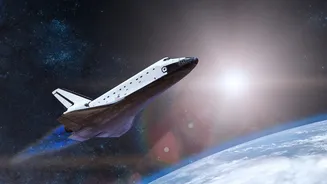
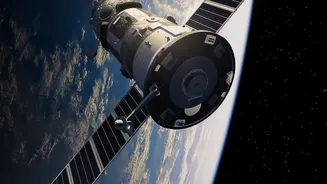
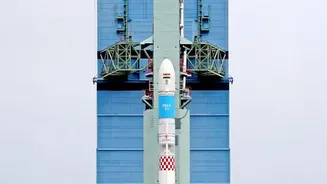
The cornerstone of this new strategy is the Gaganyaan programme, India's quest to send its own astronauts into orbit. After a series of uncrewed test flights, the first crewed mission is targeted for 2027, which will make India the fourth country in the world to achieve independent human spaceflight capability. But Gaganyaan is just the beginning. The ultimate vision includes establishing the Bharatiya Antariksh Station (BAS), a modular Indian space station, by 2035. The first module is planned for a 2028 launch, with four more modules to follow. This orbiting laboratory will allow Indian astronauts to conduct long-duration experiments in microgravity and serve as a stepping stone for more complex missions.
To The Moon, Mars, and Venus
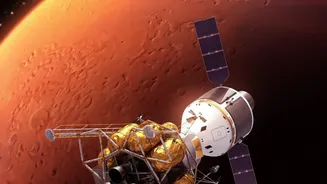
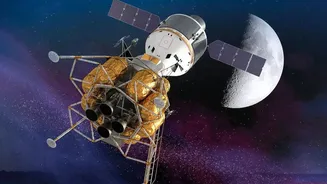
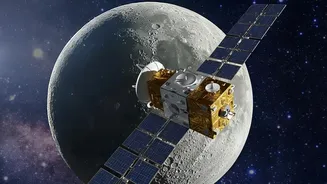
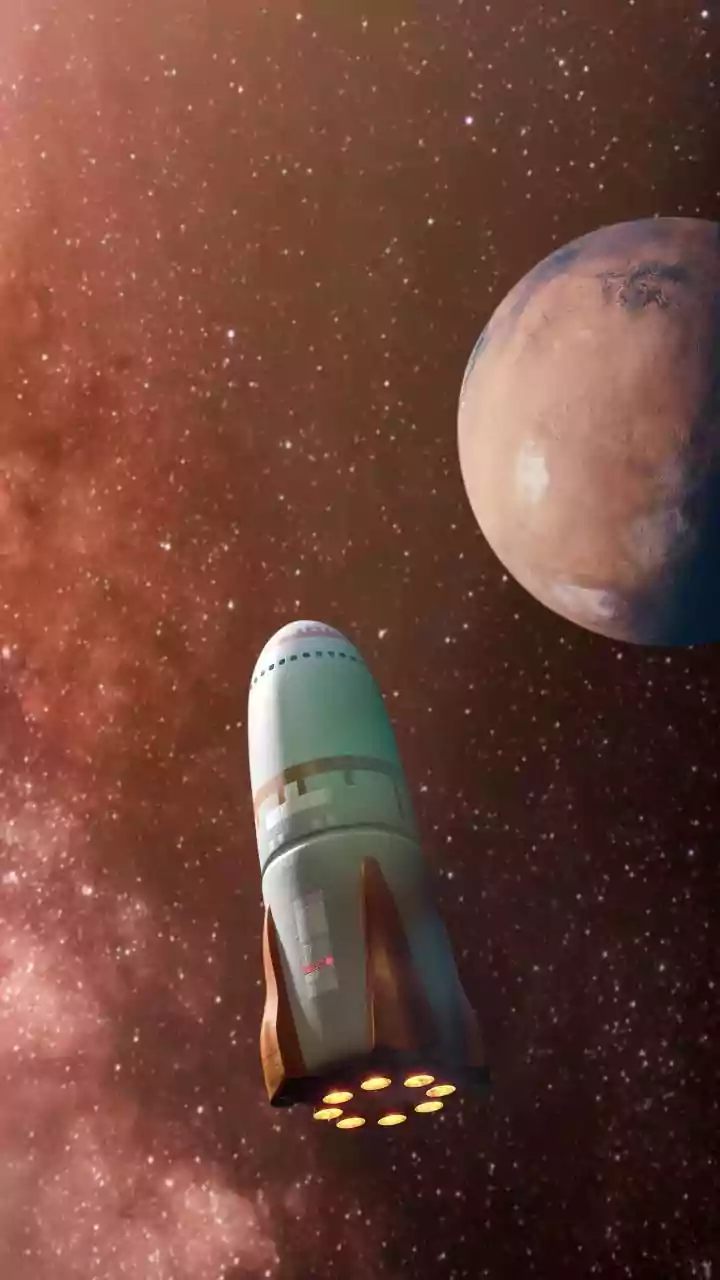
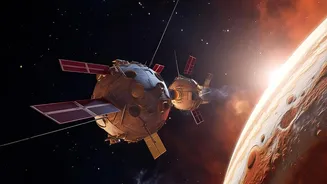
Building on the historic success of Chandrayaan-3, ISRO's lunar ambitions are scaling up significantly. The roadmap includes Chandrayaan-4, a complex lunar sample-return mission planned for around 2028, which aims to bring back materials from the Moon's surface. This will be followed by a joint mission with Japan, Chandrayaan-5, to further explore the lunar south pole. The grand objective is to land an Indian astronaut on the Moon by 2040. Beyond the Moon, the agency is also planning a successor to its Mars Orbiter Mission and is developing Shukrayaan-1, its first mission to Venus, slated for a potential 2028 launch. This mission will study Venus's dense, toxic atmosphere and volcanic activity, seeking to understand why Earth's 'twin' became so inhospitable.
Fueling a New Space Economy
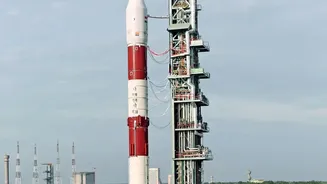
A critical component of the new strategy is to unlock the economic potential of space. By opening up the sector to private companies, the government aims to create a vibrant commercial ecosystem. The Indian National Space Promotion and Authorisation Centre (IN-SPACe) was established as a single-window agency to facilitate private participation, from building satellites and launch vehicles to providing space-based services. This policy shift is designed to allow ISRO to concentrate on advanced research and development and complex exploratory missions, while private industry takes over more routine operations. The goal is ambitious: to grow India's share of the global space economy from around 2% to 8%, increasing its value to an estimated $44 billion by 2033.