


Why A Little Movement Makes A Big Difference
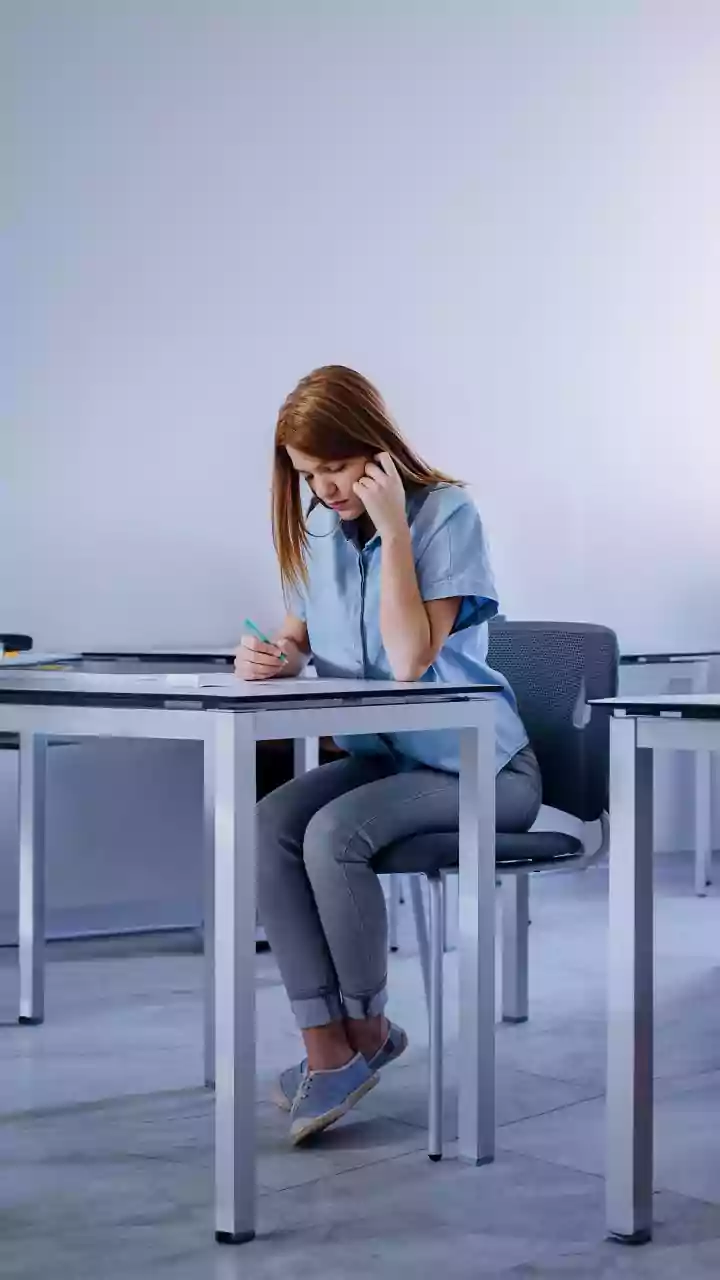
When you're stressed, your body releases hormones like cortisol, triggering a 'fight-or-flight' response that makes it hard to concentrate. Research shows that yoga helps counter this. Studies have found that even short, consistent yoga practices can
reduce psychological distress, anxiety, and sleep problems in students. It works by combining physical postures with mindful breathing, which calms the overstimulated nervous system. This process not only promotes relaxation but also helps develop awareness, empowering students to manage triggers and improve their ability to concentrate when it matters most. It’s a tool for building both mental sharpness and emotional stability.
Hack 1: The Mountain Pose Power-Up
Before you even open a textbook, take 60 seconds for this. Stand tall with your big toes touching and heels slightly apart. Ground your feet firmly, firm your thigh muscles, and lengthen your spine as if a string is pulling the crown of your head upwards. Let your arms rest by your sides, palms facing forward. Close your eyes and take five deep, slow breaths. This pose, Tadasana, is deceptively simple. It helps centre your energy, improve posture after hours of slouching over books, and builds your ability to focus by bringing you into the present moment. Think of it as hitting the reset button on your brain before a study session.
Hack 2: The Warrior's Unshakeable Focus
Feeling overwhelmed or lacking confidence? Channel your inner warrior. Step your feet wide apart, turn your right foot out 90 degrees, and bend your right knee until it’s over your ankle. Keep your left leg straight. Extend your arms parallel to the floor and gaze over your right fingertips. Hold this pose, Virabhadrasana II, for 30 seconds, breathing steadily. This posture builds strength and endurance, but its real power is mental. Holding a strong, stable pose teaches your mind to stay focused and patient, even when things feel challenging. It boosts self-confidence and can help you tackle a difficult subject with a renewed sense of determination.
Hack 3: The Desk-Friendly Eagle Arms
You don’t even need to leave your chair for this one. Sit tall and stretch your arms straight forward. Cross your right arm over your left, bend your elbows, and bring your palms to touch. Lift your elbows and stretch your fingers toward the ceiling, feeling a stretch across your upper back and shoulders. This stretch, a modification of Garudasana, is a fantastic antidote to 'desk slump'. It releases the tension that builds up in the neck and shoulders during long study hours. The crossing action is also thought to help integrate the left and right hemispheres of the brain, sharpening mental clarity. Hold for five breaths and then switch sides.
Hack 4: The Legs-Up-The-Wall Reset
After a marathon study session, your brain and body need a real break. This is the ultimate low-effort, high-reward pose. Find a clear wall space and sit on the floor with one hip against the wall. Swing your legs up the wall as you lie back. Rest with your arms by your sides, palms up, and stay here for 5 to 10 minutes. This gentle inversion, Viparita Karani, is incredibly calming for the nervous system. It helps improve blood circulation after long periods of sitting, eases tired legs, and can quiet a racing mind, making it perfect before bed to ensure a restful night's sleep.
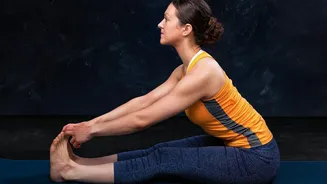
Hack 5: The Seated Forward-Fold Calm-Down
When anxiety is running high, fold into yourself. Sit on the floor with your legs stretched out in front of you. Inhale to lengthen your spine, and as you exhale, hinge forward from your hips, reaching for your feet. Don't worry about how far you can go; just let your head hang heavy and relax your neck. Paschimottanasana is a deeply restorative pose that calms the brain and helps relieve stress and mild anxiety. It provides a gentle stretch for the entire back of the body, which can get tight from sitting, and promotes a feeling of quiet and peace.