
The Science of Surface Area and Evaporation
When you reduce a recipe but use the same size pan, you create a much thinner layer of food. A wider pan has a larger surface area, which promotes faster evaporation. This means moisture leaves the food far more quickly than the original recipe intended.
For a brownie, cake, or casserole, this spells disaster. The batter or mixture is spread so thin that it cooks through too fast, long before it has a chance to develop the right texture. Edges can get over-browned and tough while the center becomes dense and dry. The key issue is the relationship between the volume of your food and the surface area of the pan; for a successful outcome, you need to keep that ratio consistent. Pouring half the batter into the original pan dramatically changes this ratio for the worse, leading to disappointing results.
How to Choose the Right Size Pan
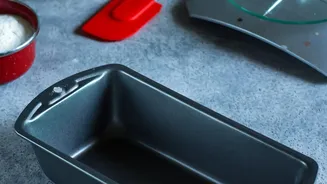
The goal is to maintain the same depth of food as the original recipe. If a full recipe for a 9x13-inch pan fills it about an inch deep, your halved recipe should also be about an inch deep in its new, smaller pan. A good rule of thumb for halving a recipe that calls for a 9x13-inch pan is to use an 8x8-inch or 9-inch round pan instead. For more precise conversions, you can calculate the volume of your pans. The easiest way is to measure how many cups of water it takes to fill each one to the brim. If a 9x13-inch pan holds about 14-15 cups of volume, look for a pan that holds about 7-8 cups for your halved recipe. An 8x8-inch square pan, for example, holds around 8 cups. Don't worry about perfect math; getting close is what counts.
Adjusting Time and Temperature is Crucial
Switching to a smaller pan is the most important step, but you also need to be a more active observer. Even with the right pan, a smaller volume of food will generally cook faster. Start checking for doneness much earlier than the original recipe suggests. When halving a recipe, a good starting point is to begin checking about 25-30% sooner. So, if a cake recipe calls for 40 minutes, start checking your smaller version at around the 28-30 minute mark. If you end up using a pan that makes the batter deeper than the original, you may need to lengthen the baking time and potentially lower the oven temperature by about 25°F to ensure the center cooks through without the edges burning. The toothpick test remains your best friend here.
When This Rule Matters Most
This principle applies to almost anything baked or roasted, but it's especially critical for recipes where texture and moisture are paramount. Think of brownies, blondies, sheet cakes, and cornbread. These are meant to be a certain thickness to achieve that perfect balance of a chewy edge and a fudgy or cakey interior. Spread too thin, they become sad, crispy wafers. The same goes for casseroles. A deep, layered lasagna that's been halved and spread across a massive pan will simply dry out, with the cheese on top burning before the flavors have a chance to meld. By matching your pan to your recipe size, you give your food the structure it needs to bake evenly and retain its intended moisture and texture.