






An Environmental Awakening
The primary driver behind this conscious choice is a growing awareness of the festival's environmental impact. For years, mass-produced idols made from Plaster of Paris (PoP) have dominated the market. PoP, a derivative of gypsum, is not biodegradable
and takes months or even years to dissolve in water. When thousands of these idols are immersed in rivers, lakes, and seas, they choke water bodies, reduce oxygen levels, and harm aquatic life. The synthetic paints used on them often contain heavy metals like lead, mercury, and cadmium, which leach into the water, posing health risks to humans and poisoning marine ecosystems. This has prompted many urban families to seek sustainable alternatives that allow them to celebrate without harming the planet.
A Return to Cherished Traditions
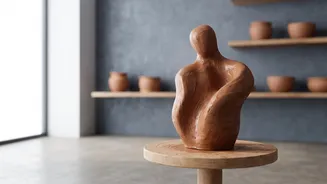
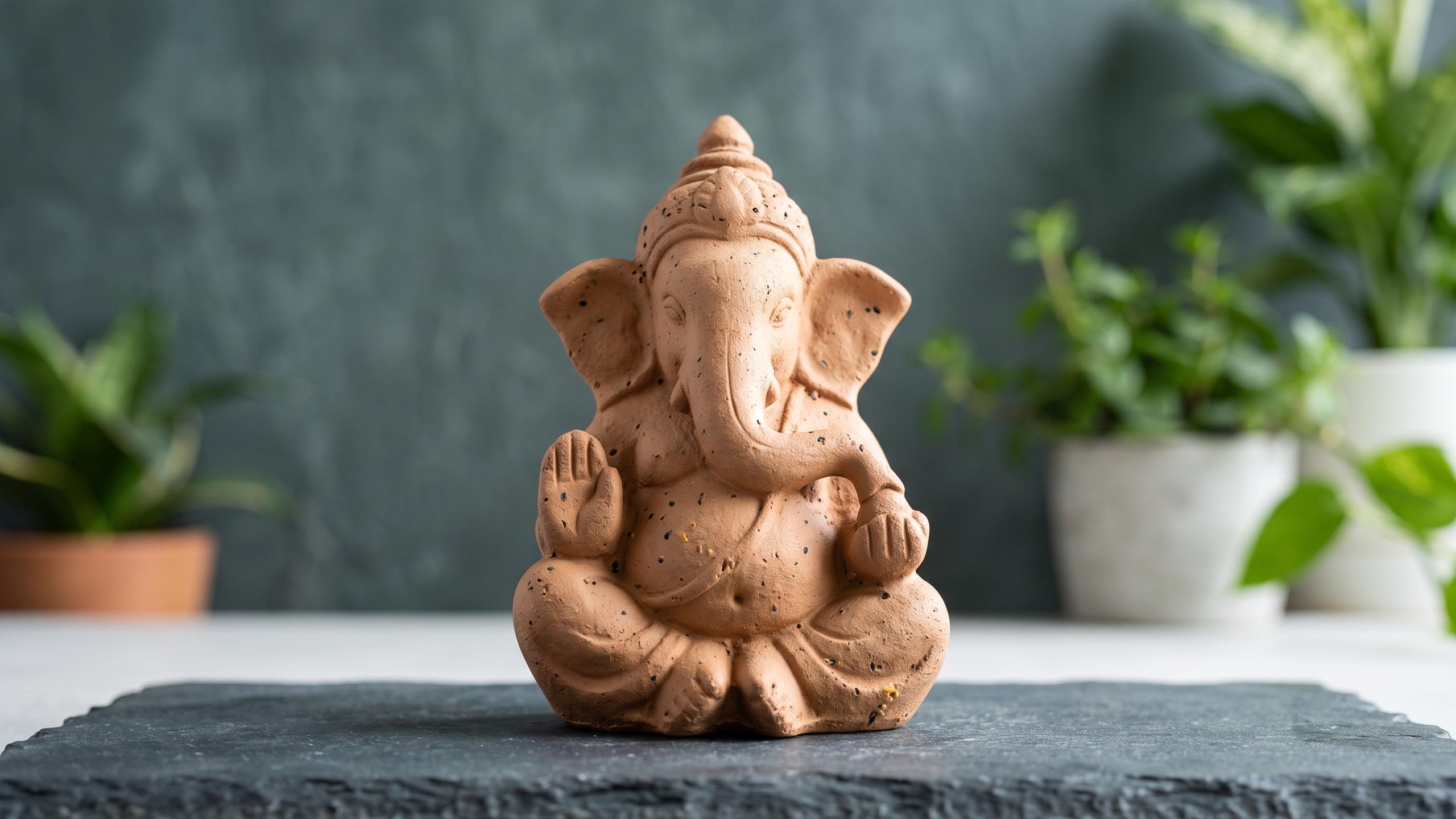
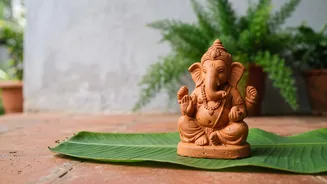
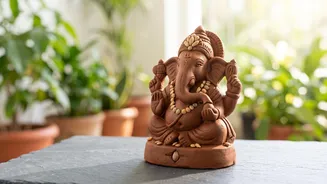
Opting for clay idols is not a new invention but rather a return to age-old practices. Before the widespread availability of PoP, Ganesh idols were traditionally crafted from natural clay, or 'shadu mati', which is sourced from riverbeds. According to legend, Lord Ganesha himself was created from the earth, so using clay idols aligns perfectly with the festival's spiritual core. These idols dissolve quickly and harmlessly in water, symbolizing the natural cycle of creation and dissolution. By choosing clay, families feel a deeper, more authentic connection to their cultural heritage, celebrating the festival as their ancestors did. This choice also supports local artisans and potters who preserve these traditional crafting techniques.
The Rise of Plantable 'Seed Ganeshas'
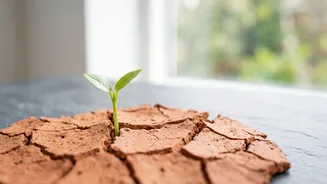
An innovative and increasingly popular trend is the 'seed Ganesha' or 'plantable idol'. These are clay idols with plant or vegetable seeds embedded within them. Instead of immersing the idol in a public water body, families perform the 'visarjan' ritual at home in a pot or their garden. As the clay idol dissolves with water, the seeds are nourished and germinate, eventually growing into a plant. This transforms the farewell ritual from an act of immersion to an act of creation and renewal. It offers a powerful and tangible symbol of life and continuity, allowing the deity's blessings to literally grow in one's home long after the festival is over. This concept has resonated strongly with families, especially those with children, as it provides a valuable lesson in sustainability.
Creative and Personalized Decorations
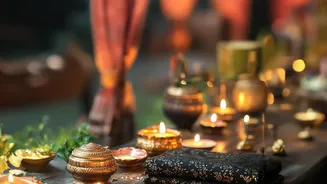
The eco-friendly spirit extends beyond the idol to the decorations. Urban households are increasingly shunning plastic and thermocol for natural, DIY decorations. Instead of synthetic garlands, fresh flowers, mango leaves, and handmade paper flowers are used. Colourful backdrops are created using reusable fabrics like sarees or dupattas. Seed decorations have also become popular, with people using various grains, pulses, and seeds to create intricate mosaics and patterns for the pandal. These natural elements not only reduce waste but also add a unique, personal, and heartfelt touch to the celebrations, fostering creativity and family bonding. The focus is on creating a beautiful, divine space using materials that are respectful of nature.
Accessibility and Community Initiatives
This shift has been fueled by increased accessibility and awareness campaigns. In many cities, NGOs, community groups, and local governments actively promote eco-friendly celebrations. They organize workshops teaching people how to make their own clay idols and natural decorations. The availability of eco-friendly idols has also improved significantly, with local artisans, pop-up markets, and online stores making it easier for urban residents to make a sustainable choice. This collective effort has turned a personal choice into a powerful community movement, mainstreaming the idea that devotion and environmental responsibility can go hand in hand.