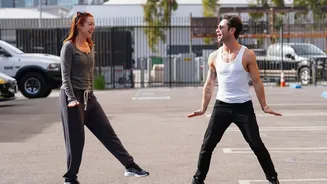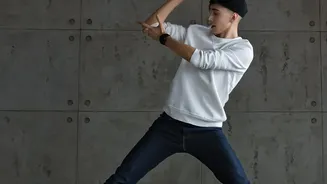



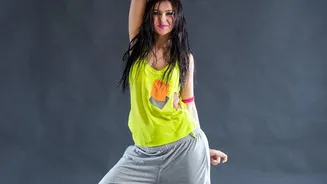
Looking for a workout that feels more like a party? Freestyle dance is a joyful, liberating way to get fit in your own living room. It’s not about complex steps, but about moving your body freely to music you love. Here’s how to start.
The Joyful Benefits of Dancing Freely
Freestyle dancing
is more than just a fun activity; it's a powerful workout for both body and mind. Physically, it's a fantastic form of cardio that improves heart health, stamina, and flexibility. The constant motion, from simple weight shifts to more energetic steps, helps burn calories and build muscle tone. Unlike repetitive gym routines, dance engages your entire body, improving coordination, balance, and spatial awareness. Mentally, the benefits are just as profound. Moving to music is a proven stress-reliever, releasing endorphins that naturally boost your mood. Freestyle, in particular, encourages creative expression and helps build confidence by removing the pressure of 'right' or 'wrong' moves. It's a chance to connect with your body and enjoy the pure pleasure of movement.
Setting Up Your Personal Dance Floor
You don’t need a professional studio to start dancing. Your living room, bedroom, or any area where you have a little space to move is perfect. The most important step is to create a safe environment. Clear the floor of any obstacles like rugs, cables, furniture, or breakable items. You should have enough room to comfortably extend your arms and take a step or two in each direction. Good ventilation is helpful to keep you cool. You don’t need special gear, just comfortable clothes that allow you to move without restriction. While some prefer to dance barefoot, you might want supportive shoes depending on your flooring. The goal is to create a private, comfortable space where you feel free to let loose without any distractions.
Crafting the Perfect Workout Playlist
Music is the driving force of any freestyle session. A great playlist is your most important piece of equipment, providing the rhythm, energy, and emotional cues for your movement. The beauty of freestyle is that you can choose any genre that makes you want to move. For a good workout structure, consider creating a playlist that guides you through different phases. Start with a song that has a moderate tempo for a warm-up. Move into more upbeat tracks—think pop, hip-hop, Bollywood hits, or electronic music—to get your heart rate up for the main part of your workout. Finally, select a slower, calming song for your cool-down. Pay attention to how different songs make you feel and let that inspire your dance. Your playlist is personal, so fill it with tracks that bring you joy and energy.
Structuring Your At-Home Session
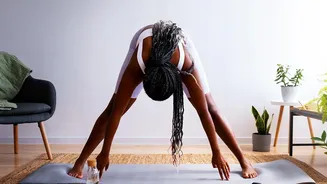
While 'freestyle' means no choreography, having a simple structure can make your session feel like a complete workout. A good rule of thumb is to follow a three-part plan: warm-up, main workout, and cool-down. 1. Warm-Up (5-10 minutes): Start with a slower song. Begin with gentle movements like marching in place, shoulder rolls, arm swings, and side-to-side steps. This gradually increases blood flow to your muscles and prepares your joints for more activity. 2. Main Session (15-30 minutes): This is where you let loose. Put on your high-energy tracks and just move. There are no rules. You can experiment with different levels (dancing high and low), speeds, and directions. Focus on feeling the music rather than executing perfect moves. 3. Cool-Down (5-10 minutes): End with a slow, gentle song. Lower your heart rate with slow movements and finish with some light stretching for your major muscle groups. This helps improve flexibility and aids in muscle recovery.
Embracing Imperfection and Finding Your Flow
The biggest hurdle for many aspiring dancers is the fear of looking silly or 'doing it wrong'. It’s crucial to remember that in freestyle, there are no mistakes. The goal is self-expression, not perfection. If you feel self-conscious, start small. Close your eyes, focus only on the music, and just sway or bob your head. Try not to use a mirror at first, as it can make you overly critical. Focus on how the movement feels rather than how it looks. Many people find that recording themselves can be a useful tool for tracking progress and getting comfortable with seeing themselves dance. Above all, be kind to yourself. Acknowledge feelings of shyness without letting them stop you. The more you practice letting go, the easier it will be to find your unique, authentic flow.